
How To
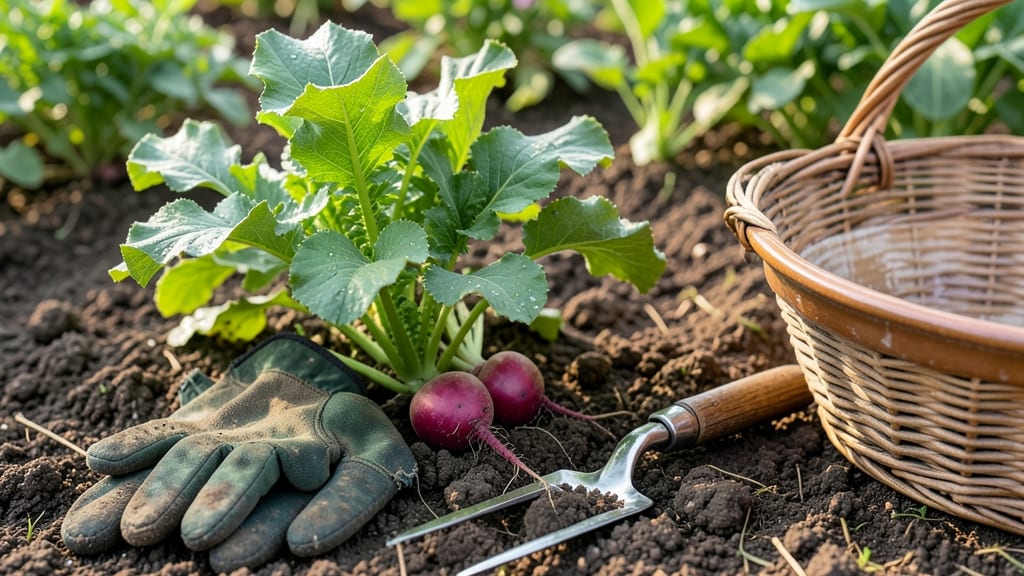
How to know when to pick radishes can turn a bitter disappointment into a crisp, flavorful harvest—if you catch them at the right moment. These fast-growing 🥕 roots mature in just 30-60 days, but waiting too long means tough, woody textures, while harvesting too early leaves you with underdeveloped, bland roots.
The key lies in three often-overlooked underground clues that reveal true maturity before you even dig. From checking root firmness to spotting subtle leaf color changes, these signals ensure you pull radishes at peak flavor and texture.
Miss them, and you might end up with a crop that’s either too small to enjoy or too tough to eat.
Whether you’re growing round French breakfast radishes or long daikon varieties, the same principles apply. I’ll walk you through exactly what to look for—so you can confidently harvest your radishes at the perfect time, every season.
No more guessing games or wasted effort. Let’s uncover the secrets to identifying radishes that are ready to eat, so you can enjoy the crisp, sweet rewards of your hard work.


Radish size and shape: the most obvious (but often ignored) harvest cues
Radishes are one of the fastest crops in your garden, but their speed can trick even experienced gardeners into picking them too early—or worse, too late.
The size and shape of your radishes are the first clues to check, but they’re often overlooked because they vary so much by variety and growing conditions.
A round radish like Cherry Belle might be ready at just 1 inch in diameter, while a long daikon could need 3 inches in length before it’s fully mature.
Most gardeners assume bigger always means better, but that’s not the case with radishes. If you leave them in the ground too long, they’ll become woody, tough, and bitter, ruining their crisp, sweet flavor.
On the flip side, harvesting too early gives you small, underdeveloped roots that lack the full nutritional punch and satisfying crunch. The key is finding that sweet spot where size matches the variety’s ideal maturity.
Here’s the golden rule: Check the seed packet for your specific radish variety, as harvest times can range from 20 to 60 days.
For example, French Breakfast radishes are typically ready in 25–30 days when they reach 1–1.5 inches in diameter, while Black Spanish radishes can take up to 60 days to reach their full 2–3 inch length. Ignoring these guidelines often leads to disappointment.
| Variety | Shape | Ideal Size | Days to Harvest | Key Cue |
|---|---|---|---|---|
| Cherry Belle | Round | 1 inch diameter | 25–30 days | Bright red, firm skin |
| French Breakfast | Long | 1.5–2 inches long | 25–30 days | Purple tops, crisp texture |
| Daikon | Long | 3–4 inches long | 50–60 days | White, smooth skin |
| Black Spanish | Long | 2–3 inches long | 45–60 days | Dark purple-black skin |
| Watermelon | Round | 2–3 inches diameter | 30–40 days | Striped red/white |
Beyond the size, pay attention to the shape of your radishes. Round varieties should be perfectly plump and symmetrical, while long types like daikon should have a uniform taper from top to bottom.
If your radishes start to bulge unevenly or develop bumps or cracks, it’s a sign they’ve been left too long and are past their prime. These imperfections often indicate the radish has started to bolt (flower), which means the flavor will be bitter and fibrous.
Another common mistake is judging maturity by the top growth alone. While it’s true that radish leaves should be 6–12 inches tall at harvest, relying solely on this cue can be risky. Some varieties, like wild radishes, have smaller tops even when the roots are mature.
Always dig one up to check the root size and firmness—this is the only way to be sure.
Pro tip: If you’re growing radishes in containers or raised beds, they often mature slightly faster due to warmer soil temperatures. In these cases, check for readiness 2–3 days earlier than the seed packet suggests.
Conversely, if your garden soil is cool or rocky, radishes may take longer to reach their ideal size. Adjust your expectations based on your local growing conditions.
One final warning: Don’t harvest radishes by pulling on the leaves. This can damage the root and leave it vulnerable to disease or pests. Always use a garden fork or your hands to gently loosen the soil around the radish before lifting it out.
This protects the root’s integrity and ensures you get a clean, store-bought quality harvest every time.
Now that you’ve mastered the basics of size and shape, let’s dive into the hidden underground clues that reveal when radishes are truly ready—before you even dig them up.
Underground clues: 3 hidden signs your radishes are ready (before you dig)
Most gardeners focus on radish size or leaf color when deciding to harvest—but the real maturity clues lie below the soil. These underground signals reveal when your radishes are perfect for picking, without damaging the crop or risking bitterness.
I’ve learned the hard way that ignoring these signs leads to either woody roots or underdeveloped flavor.
Here’s what to check before you dig: the root firmness, soil resistance, and leaf texture. These tactile cues are often overlooked but are the most reliable indicators of true maturity.
For example, a radish that feels slightly spongy when pressed is still too young, while one that resists gentle pressure is ready to harvest.
I once harvested a batch of radishes based solely on their leaf size, only to discover they were pithy and bland inside. The key is to combine these underground clues with visual checks.
For instance, if your French Breakfast radishes have reached 1–1.5 inches in diameter but still feel soft, give them another 3–5 days.
Another pro tip: Check for woody stems. If the radish’s center feels hollow or fibrous when cut, it’s past its prime. This often happens when radishes are left too long in the soil, especially in hot weather.
Always harvest before the top leaves yellow excessively, as this signals overmaturity.
For container-grown radishes, these clues are even more critical because space is limited. If you’re growing Cherry Belle or Easter Egg varieties, watch for the soil pulling away slightly from the root—this is a telltale sign of maturity.
And remember: Daikon radishes need extra time (up to 70 days), so their underground clues will appear later than round varieties.
Once you master these hidden maturity signals, you’ll never waste another radish again. The next time you’re unsure, take a moment to dig around the edges and feel for these clues—your taste buds will thank you! 🥕