
How To
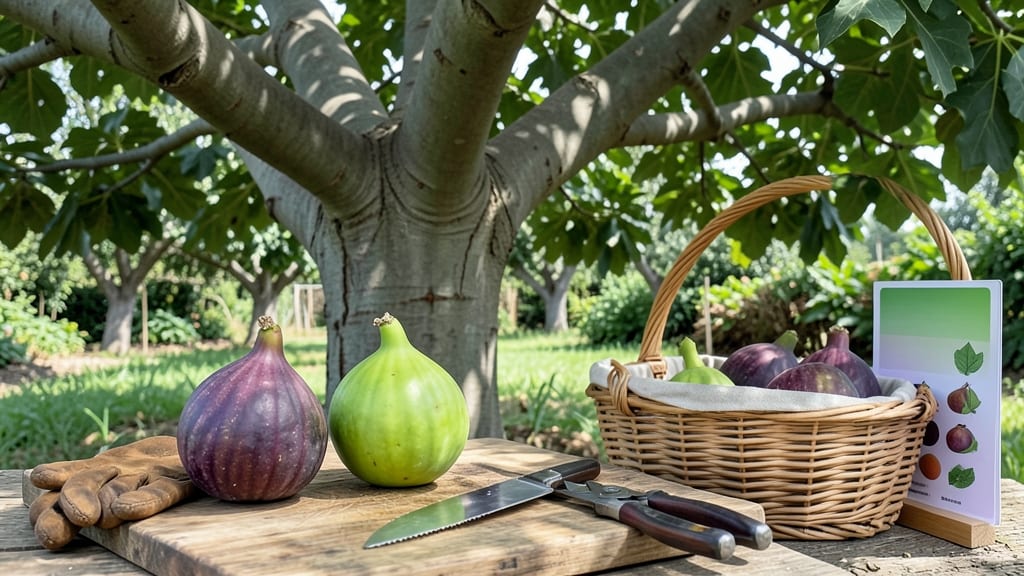
How to know when to pick figs is the difference between a sweet, juicy reward and a bitter disappointment—especially when you're staring at a 🍈 that looks almost ready. I’ve made that mistake more times than I’d like to admit, and let me tell you, the key lies in those subtle (but crucial) color shifts and texture clues.
Most gardeners assume figs are ready when they turn a deep purple or brown, but the truth is more nuanced. The perfect fig actually goes through three distinct color stages, each signaling a different level of ripeness—and missing one could mean your harvest falls short of delicious.
What’s even trickier? Climate plays a huge role in how quickly figs mature, so what works in a hot, dry zone might not apply where you live.
In this guide, I’ll break down the exact visual cues you need to watch for, from the first hint of color change to the telltale softness that means it’s time to harvest.
You’ll also learn how to avoid the most common mistakes that turn perfectly good figs into mushy messes—because nobody wants to waste their hard work.
By the end, you’ll confidently spot the ideal fig every time, whether you’re dealing with purple, brown, or even green varieties. Let’s get started—your taste buds will thank you.


Fig ripeness by color: the 3-Stage guide to picking perfect figs
Figs are nature’s sweet rewards, but timing your harvest is everything. Picking too early means tart, fibrous disappointment, while waiting too long turns them into overripe mush. The secret lies in their color evolution, which reveals their ripeness stage.
I’ve grown figs for years, and these three color cues will transform your harvest from guesswork to guaranteed perfection.
Most fig varieties follow a predictable color progression from green to their mature hue. For example, Brown Turkey figs start green, deepen to purple, then turn brown, while Celeste figs stay green but develop a white blush.
Understanding these stages ensures you never miss the peak sweetness window—when flavor and texture are at their best.
Here’s the color-stage breakdown you need to know, complete with texture and taste tests for each phase. This summary-table will help you spot the perfect fig every time.
| Stage | Color Cue | Texture Test | Taste Test | Action |
|---|---|---|---|---|
| 1. Immature | Bright green | Hard, firm skin | Tart, seedy, astringent | Wait 2-4 weeks |
| 2. Ripening | Purple, yellow, or brown blush | Slightly soft, yields to gentle pressure | Sweet-tart, juicy center | Pick next 1-3 days |
| 3. Overripe | Deep purple, brown, or black | Mushy, squishy skin | Very sweet, fermented taste | Use for jam or compost |
Pro tip: Twist gently to test ripeness. If the fig detaches easily from the stem, it’s ready. If it resists, wait another day. This simple trick saves you from bitter or mealy figs and ensures you harvest at the peak of sweetness.
Climate plays a role too. In hot, dry regions, figs ripen faster and may go from ripe to overripe in 24 hours. I’ve seen this happen in Zone 9 summers—check your figs daily during heatwaves.
Conversely, in cooler climates, ripening slows down, giving you more time to monitor color changes.
Variety matters! Black Mission figs, for example, ripen to a deep purple-black color, while Desert King stays green but develops a white blush. Always check your specific variety’s mature color to avoid mistakes. I keep a cheat sheet by my fig tree to compare colors side by side.
One more clue: the stem base dries out and turns brown as the fig ripens. This is your final confirmation that it’s time to harvest. If the base is still green and firm, the fig needs more time.
This subtle detail has saved me from picking underripe figs more times than I can count!
Now that you’ve mastered the color cues, you’re ready to pick figs like a pro. But ripeness isn’t just about color—there are hidden signs that reveal even more about your figs’ readiness. Let’s dive into those next to ensure you never miss another perfect harvest.
Fig ripeness by color: the 3-Stage guide to picking perfect figs
Figs don’t ripen like tomatoes or avocados—they stay attached to the tree until fully ripe. That means color is your best indicator of when to harvest. Each fig variety has its own mature hue, but these three universal stages apply to almost all types.
I’ve learned the hard way that green figs taste like rubber, so let’s break down exactly what to look for at each stage.
The first stage is immature green, where figs are firm, hard, and bitter. These are the small, shiny green fruits you’ll see early in the season. Picking them now is a waste—wait for the color to shift.
The second stage is transitioning, where the skin starts developing its mature color (purple, brown, or yellow) but may still feel slightly firm. This is the sweet spot for most varieties—ripe but not overripe.
🍈 Fig Ripeness Summary Table
| Stage | Color | Texture | Taste | Harvest? |
|---|---|---|---|---|
| Immature | Bright green | Hard, firm | Bitter, rubbery | ❌ No |
| Transitioning | Dull purple/brown/yellow | Slightly soft | Sweet-tart | ✅ Yes (most varieties) |
| Overripe | Deep purple/brown | Mushy, leaking | Very sweet, fermented | ⚠️ Only if needed |
For purple varieties like 'Black Mission', ripe figs turn a deep, velvety purple with a slight blush. Brown figs like 'Brown Turkey' develop a warm, almost bronze hue.
Meanwhile, green varieties like 'Celeste' stay green but soften significantly. Pro tip: Twist gently—if the fig detaches easily, it’s ready. If it resists, wait another day or two.
Climate plays a role here. In hot, dry regions, figs ripen faster and may overripe quickly. I’ve seen California figs go from perfect to mushy in 24 hours during summer heat waves.
Conversely, cooler coastal climates slow ripening, so figs may stay on the tree longer. Always check the base of the fig—when it dries out and turns brown, that’s your final cue.
One mistake I made early on was picking figs based on size alone. Some varieties stay small but ripen perfectly, while others grow large but never soften.
Always combine color, texture, and scent for the best results. A ripe fig should smell sweetly floral—if it smells nothing or fermented, it’s past its prime.
Now that you know the color cues, the next step is testing for perfect ripeness beyond color. That’s where texture, scent, and stem changes come into play—stay tuned for my next section on hidden ripeness signs that’ll take your fig harvests to the next level. 🌱