
How To
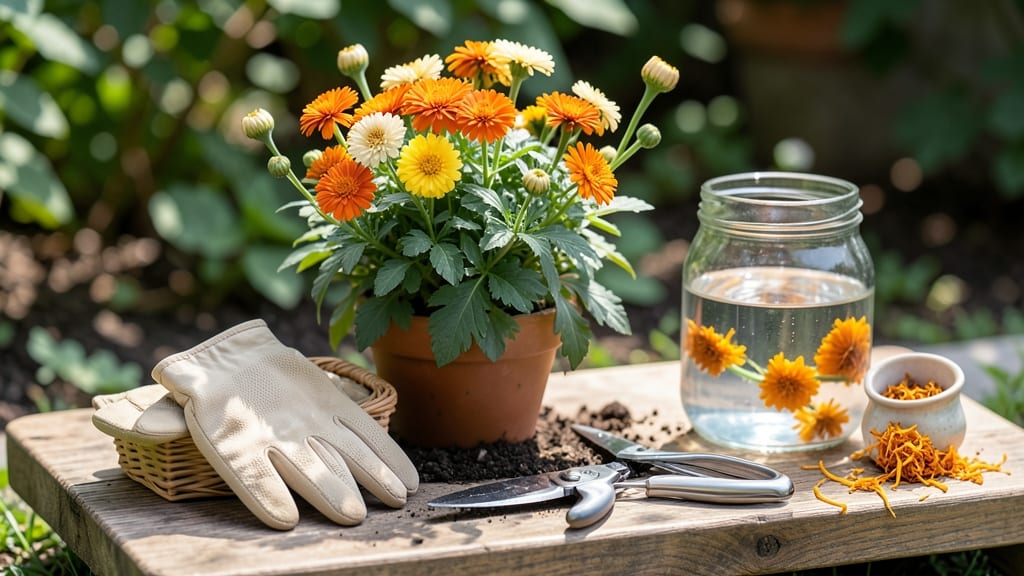
Harvesting calendula 🌼 for tea isn’t just about plucking pretty petals—it’s about capturing peak medicinal power at the right moment. Those bright orange blooms you adore? They’re packed with anti-inflammatory compounds that shine brightest when picked at their prime, transforming your garden into a natural apothecary.
Timing is everything—harvesting too early means weak flavors, while waiting too long turns your tea into a bitter disappointment. I’ll show you exactly when to snip those petals (hint: morning is your best friend) and how to dry them properly so every sip delivers maximum benefits.
No more guesswork, just perfect harvests every time.
Whether you’re brewing a soothing skin tonic or a calming evening tea, the method matters just as much as the timing. From sun-drying to dehydrator tricks, I’ll walk you through the simplest, most effective techniques to preserve those healing properties. Ready to turn your garden’s golden blooms into liquid gold?
Seasonal gardeners, listen up: frost can ruin your harvest, and over-picking can stunt your plants. I’ll cover all the must-know tips to keep your calendula thriving while ensuring your tea stays potent from July through September. Let’s make your next cup of herbal tea the best one yet.


Best time & method to harvest calendula for tea
Harvesting calendula at the right time ensures your tea has the most flavor and medicinal properties. The best window is when flowers are fully open but before their centers turn brown or seed pods form.
This usually occurs between July and September in most climates, aligning with peak bloom season.
Morning harvesting is ideal because dew has evaporated but temperatures are still cool, preserving petal moisture and potency. Avoid harvesting after rain or late afternoon, as damp petals dry poorly and may develop mold. Always use clean, sharp scissors or pruning shears to avoid damaging stems.
Look for these 3 key indicators of readiness: bright orange or yellow petals, a slightly raised center, and petals that feel dry but not brittle. Overripe flowers lose their medicinal compounds and taste bitter, while underripe ones yield weak tea. Harvesting every 2-3 days encourages continuous blooming.
- 1 Timing: Harvest early morning after dew dries (6-9 AM).
- 2 Season: July-September for peak flavor and potency.
- 3 Tools: Use clean pruners to avoid stem damage.
- 4 Signs: Petals fully open with dry but flexible stems.
- 5 Avoid: Wet or overripe flowers (mold risk or bitter taste).
To preserve your calendula plant’s health, never harvest more than one-third of the blooms at once. Focus on outer flowers first, leaving inner buds to develop. This method ensures continuous harvests throughout the season while maintaining plant vigor.
If your climate experiences early frosts, harvest aggressively in late September to maximize yield before dormancy.
Weather plays a crucial role—harvest on dry, sunny days to prevent fungal growth during drying. If rain is forecasted, bring harvested flowers indoors immediately to accelerate drying using a dehydrator or screen. Humidity above 60% can ruin your harvest, so monitor forecasts closely during peak harvest months.
For medicinal-grade tea, prioritize organic calendula grown without pesticides. Conventional varieties may contain residues that transfer to your tea. If using potted calendula, ensure containers have drainage holes to prevent root rot, which can indirectly affect flower quality. Always wear gloves when handling if you have sensitive skin.
Pro tip: Label harvested flowers with the date and variety (e.g., 'Cheerful' or 'Pacifica'). Some cultivars have stronger flavors than others, and tracking helps you replicate successful batches. Store dried petals in airtight glass jars away from direct sunlight to preserve their antioxidant properties for up to 12 months.
If you miss the peak harvest window, don’t despair—late-season blooms still work for tea, though their flavor may be milder. Simply adjust your brewing time (steep longer for weaker tea).
In USDA Zone 6a, aim to finish harvesting by October 15 to avoid frost damage, which turns petals mushy and unsuitable for tea.
Remember, the earlier you harvest in the morning, the more potent your tea will be. This is because essential oils peak in concentration right after sunrise. Pair your harvest with a notebook to track which methods yield the best results—your future tea blends will thank you!
Best time & method to harvest calendula for tea
Harvesting calendula at the right time ensures your tea is packed with flavor and medicinal compounds. The best window is late morning after dew dries—this preserves essential oils and prevents mold. Avoid harvesting after rain or when flowers are wet, as moisture can degrade their potency.
Look for fully open petals with vibrant orange or yellow hues. The center should just begin forming but not yet turn brown or develop seeds. Overripe flowers lose their soothing properties and taste bitter, ruining your tea's quality.
🌼
Late morning (9 AM–11 AM) for peak flavor and potency.
Petals fully open, center slightly raised but not brown.
Harvest only on dry, sunny days to prevent mold.
July–September in USDA Zone 6a (adjust for your climate).
Use clean scissors to snip stems 2–3 inches below flowers.
To protect your plant, always harvest selectively—never take more than one-third of blooms at once. This encourages continuous flowering. Use sterilized pruning shears to avoid introducing diseases like powdery mildew, which thrives in damp conditions.
Store freshly harvested petals in a paper bag (not plastic) in a cool, dark place for up to 24 hours before processing. This slows oxidation and preserves their therapeutic compounds.
🌞