
Pests
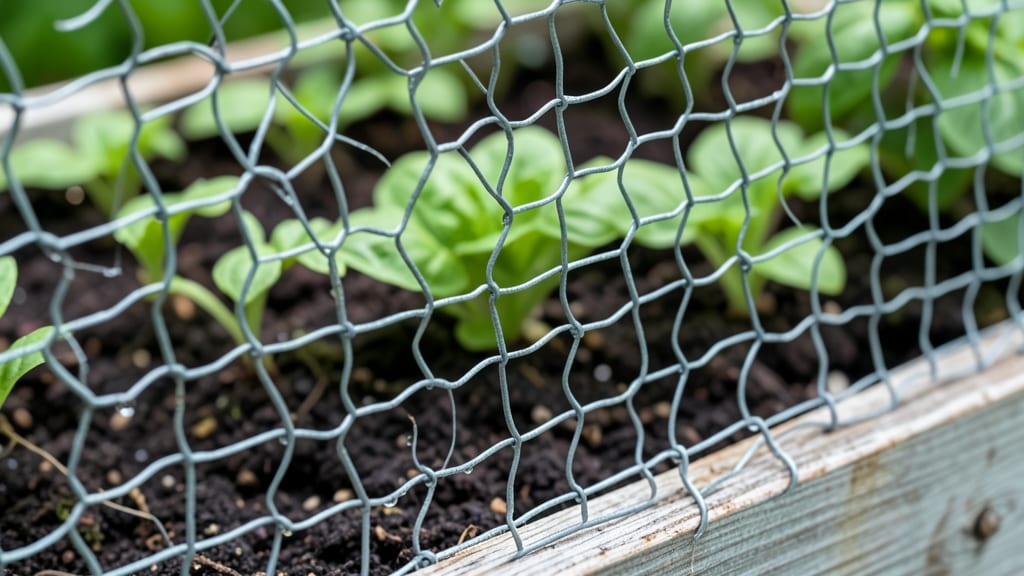
How to keep squirrels out of raised beds—it’s easier than you think, but only if you do it right. Squirrels turned my raised beds into a playground. 🌱 They dug up seedlings, chewed through mulch, and left half-eaten carrots like some furry, four-legged food critic. The good news? Physical barriers actually work—when done right.
Most people grab chicken wire and call it a day, but that just invites determined squirrels. You need hardware cloth (not mesh—squirrels chew through it) buried 12 inches deep around the bed edges.
Add a 3-foot tall fence with outward-facing bends at the top to stop climbing. No gaps, no shortcuts—these critters exploit weaknesses.
Once installed, you’ll see immediate results: no more vanished seedlings or tunneled soil. The beds stay neat, plants grow undisturbed, and you avoid the frustration of replanting every week. Even my neighbor’s persistent gray squirrels finally gave up after a month of this setup.
Pro tip: Combine barriers with predator urine (fox or coyote) around the edges—it’s a psychological win. And if you’ve got fruit trees nearby, protect those too. The key is consistency; squirrels learn fast, so stay vigilant with repairs after storms or heavy rain.
📚 In This Guide
- What you need
- Instructions
- Tips and common mistakes
- Wrapping up and next steps
What you need
- ● Hardware cloth or wire mesh: 1/4-inch to 1/2-inch mesh (at least 2-3 feet taller than your bed height). Quantity: Enough to wrap around the entire perimeter of each bed.
- ● Staple gun + heavy-duty staples: For securing mesh to wood or metal edges.
- ● Ziploc bags or plastic wrap: To cover mesh seams and prevent entry points.
- ● Bending pliers or wire cutters: For shaping mesh around corners or edges.
- ● Outdoor-rated staples or screws: If attaching mesh to wooden frames.
- ○ Gloves (optional but recommended): To protect hands from sharp wire edges.
- ● PVC pipes or metal flashing: To create a dig-proof underground barrier (bury 12+ inches deep).
- ● Chicken wire or fencing: For extra reinforcement over mesh (if squirrels are persistent).
- ● Motion-activated sprinklers: Deters squirrels with a surprise spray (great for large gardens).
- ● Hot pepper spray or predator urine: Non-physical deterrents to pair with barriers.
Tips & tricks for squirrel-proof raised beds
These battle-tested strategies will help you fortify your raised beds against even the most determined squirrel invaders.
Barrier Layering Strategy: The key to stopping squirrels lies in redundancy. In Step 2, when adding your top-edge barrier, I recommend overlapping the 1/4-inch hardware cloth by at least 2 inches where it meets the bottom frame. This creates a double-layered defense at critical pressure points where squirrels most often attack. Think of it like a castle moat—multiple barriers mean multiple failures before they succeed.
Material Selection Tip: Not all hardware cloth is created equal. For Step 1 and Step 2, opt for galvanized steel mesh rather than the cheaper aluminum variety. Squirrels can chew through aluminum in days, while galvanized steel may take weeks or months. The initial cost difference is worth the peace of mind—especially if you're protecting valuable crops. I've seen squirrels completely destroy aluminum mesh in under 48 hours during spring planting season.
Soil Layer Defense: The 2-inch gap you leave between soil and frame in Step 3 serves two purposes: preventing squirrel access and creating a visual inspection zone. Fill this space with coarse gravel instead of soil to make any digging attempts immediately visible. The sharp edges discourage squirrels from attempting to dig through, and you'll spot any breaches instantly. This is where many gardeners fail—assuming the gap alone is sufficient without reinforcing it.
Deterrent Placement: When installing motion-activated sprinklers in Step 4, position them at 18-inch intervals around the perimeter rather than just the corners. Squirrels are clever and will test mid-section weaknesses. I also recommend burying the sprinkler sensors 1 inch deep to prevent false triggers from wind or falling leaves. The 5-second burst setting works perfectly, but only if the sensors are properly calibrated—test them before planting season begins.
Pro Tips for Keep Squirrels Out Of Raised Beds
- These battle-tested strategies will help you fortify your raised beds against even the most determined squirrel invad...
- Barrier Layering Strategy: The key to stopping squirrels lies in redundancy. In Step 2, when adding your top-edge bar...
- Material Selection Tip: Not all hardware cloth is created equal. For Step 1 and Step 2, opt for galvanized steel mesh...
Frequently asked questions
What’s the best time of year to install squirrel deterrents?
Install barriers before planting season—ideally in early spring or late fall. Squirrels are most active in spring/summer when they’re digging for food, so setting up fencing, wire mesh, or repellents early gives you the best protection. If you’re retrofitting, do it as soon as you spot squirrel damage!
Will chicken wire work to keep squirrels out?
Not on its own! Chicken wire has gaps (about 1 inch) that squirrels can squeeze through. Instead, use hardware cloth (1/4-inch mesh) or plastic tree guards buried at least 12 inches deep. Burying the barrier prevents them from digging underneath.
Are there humane squirrel repellents that actually work?
Yes! Try pepper-based sprays (like hot sauce mix), predator urine (fox or coyote), or granular repellents with capsaicin. Reapply after rain, and combine with physical barriers for best results. Avoid poison—it’s inhumane and can harm pets/wildlife.
What if squirrels keep finding new ways in?
Check for gaps, weak spots, or buried entry points. Reinforce with extra mesh, bury barriers deeper, or add smooth-sided collars around raised bed edges. Move food sources (like fallen fruit) away from beds, and consider ultrasonic repellents as a last resort.
Is this worth the cost for small raised beds?
Squirrels can destroy crops overnight, wasting your time and money. A $20–$50 investment in hardware cloth or fencing saves you from replanting and frustration. Plus, it protects your soil and future harvests—way cheaper than buying new plants!
Wrapping up and next steps
Keeping squirrels out of your raised beds doesn’t have to be a losing battle—with the right physical barriers, you can protect your hard work while letting your plants thrive! 🌱 From hardware cloth to creative repurposing of everyday items, these solutions are cost-effective and easy to implement.
Start small, test what works best for your garden, and soon you’ll be enjoying a squirrel-free harvest.
Ready to take action? Pick one method from this guide, gather your supplies, and transform your raised beds into a squirrel-proof sanctuary today! 🛠️ Your future self (and your veggies) will thank you.