
Pruning
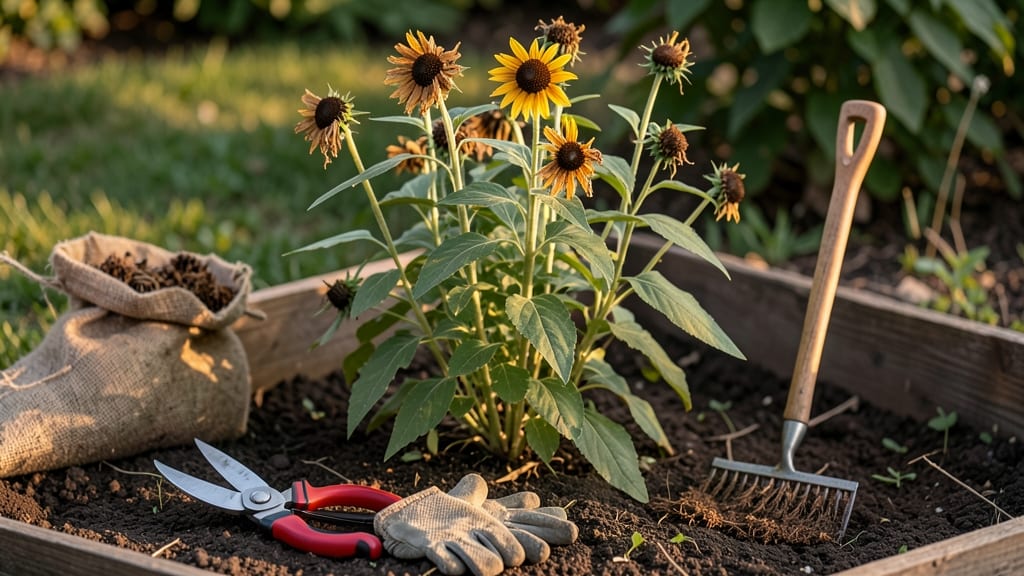
Your Black-Eyed Susans are putting on their final show—now it's time to prep them for winter. ✂️ Cutting them back now prevents flopping stems and disease while giving next year's blooms a head start. The key is timing, technique, and a little post-prune TLC to keep your perennials healthy.
Wait until first frost has blackened the foliage but before heavy snow covers the ground. Grab your pruners and cut stems back to 4-6 inches above the soil, removing any dead or diseased growth first.
This height protects the crown from winter damage while allowing sunlight to reach new growth in spring.
After pruning, spread 2-3 inches of mulch around the base to insulate roots. This helps retain moisture and smothers weeds, giving your plants a strong start when temperatures rise. The result? Vibrant, bushier plants next season with fewer pests and diseases to contend with.
Leave some seed heads if you want to support birds and pollinators, but remove them if you prefer more blooms. Either way, your Black-Eyed Susans will bounce back stronger than ever—just give them a little winter prep now.
📚 In This Guide
- What you need
- Instructions
- Tips and common mistakes
- Wrapping up and next steps
What you need
- ● Pruning shears or loppers: Sharp, clean tools with bypass blades (for clean cuts) or anvil blades (for thicker stems). Size: 6–8" for small plants, 10–12" for larger clumps.
- ● Garden gloves: Heavy-duty, cut-resistant gloves (e.g., mechanized or leather) to protect hands from thorns and debris.
- ○ Disinfectant (optional but recommended): 70% isopropyl alcohol or a 10% bleach solution (1 part bleach to 9 parts water) to sterilize tools between cuts.
- ● Garden twine or burlap: For tying back large stems if needed (e.g., 10–15 ft of twine or a 3’x3’ burlap sack).
- ● Rake or leaf blower: To clear dead foliage and debris after pruning (medium-sized for small gardens, heavy-duty for large areas).
- ● Pruning saw: For stubborn, thick stems (e.g., folding pruning saw with 7–9" blades).
- ● Garden hose with spray nozzle: To rinse tools and stems post-pruning.
- ○ Mulch (straw, shredded leaves, or pine needles): 2–3 inches to insulate roots after cutting back (optional but protective for harsh winters).
- ● Label tags: If dividing plants, use biodegradable plant markers to track varieties.
Tips & tricks for perfect Black Eyed susan pruning
Pruning Black Eyed Susans for winter might seem intimidating, but these simple tricks will help you get it right every time.
Timing Secret: The best time to cut back Black Eyed Susans is after the first hard frost when the foliage has turned brown and crispy. This signals the plant has completed its natural cycle for the year. If you prune too early, you risk encouraging new growth that won't survive winter's chill. Wait until the stems feel dry and brittle to the touch—this is your cue that the plant is truly dormant.
Cutting Technique: Use clean, sharp pruners or shears to cut the stems back to about 2-3 inches above the ground. This height gives your plants enough protection from winter winds while allowing room for fresh growth in spring. Avoid leaving stubs that can harbor pests or diseases over winter. For larger clumps, you can cut back in stages if needed, but always aim for that 2-3 inch target height.
Seasonal Prep: After pruning, give your garden beds a light cleanup by removing any fallen leaves or debris around the base of your Black Eyed Susans. This helps prevent fungal diseases from taking hold over winter. You can also apply a 2-3 inch layer of mulch around the plants to insulate the roots and protect against temperature fluctuations. Organic mulch like straw or shredded leaves works beautifully for this.
Pro Tips for Cut Back Black Eyed Susans For Winter
- Pruning Black Eyed Susans for winter might seem intimidating, but these simple tricks will help you get it right ever...
- Timing Secret: The best time to cut back Black Eyed Susans is after the first hard frost when the foliage has turned ...
- Cutting Technique: Use clean, sharp pruners or shears to cut the stems back to about 2-3 inches above the ground. Thi...
Frequently asked questions
Got questions about prepping your Black Eyed Susans for winter? You’re not alone! Here are answers to the most common queries—so you can prune with confidence and welcome a stunning spring rebloom.
When is the best time to cut back Black Eyed Susans for winter?
The ideal window is after the first hard frost (when foliage turns brown) but before heavy snowfall or freezing rain. Late fall—typically October to December—works best. If you miss this, prune in early spring before new growth starts. Avoid cutting back in late winter, as this can expose tender stems to frost damage.
How short should I cut them back?
Aim to trim back the stems to 6–12 inches above the ground. This height protects the plant’s crown (where roots meet stems) from cold while allowing sunlight to reach the base for spring regrowth. Avoid cutting too low—this can harm the plant’s energy reserves for next year’s blooms!
What if I forget to cut them back—will my Black Eyed Susans die?
Not necessarily! These hardy perennials can survive without pruning, but they may look messy and produce fewer blooms. If you skip winter pruning, cut back in early spring (March–April) to encourage fresh growth. Just avoid heavy pruning if frost is still a risk.
Can I leave the cut stems in place over winter?
No—remove all cut stems and debris to prevent fungal diseases and pests from overwintering. Toss them in the compost or trash (not your garden!). Cleanup also improves airflow, which helps the plant stay healthy. Pro tip: Mulch the base with 2–3 inches of shredded leaves or straw for extra frost protection!
Will pruning now affect next year’s flowers?
Not if done correctly! Pruning in winter stimulates next year’s blooms by redirecting the plant’s energy. Just avoid over-pruning—never cut more than 1/3 of the plant’s height. With proper timing and technique, you’ll enjoy even more vibrant yellow blooms in spring!
What if my Black Eyed Susans look sad after pruning?
Don’t worry—it’s normal for them to appear dormant until spring! If the stems look mushy or smell rotten, your plant may have crown rot (often from overwatering). In this case, trim away affected areas, improve drainage, and avoid watering until spring. With care, they’ll bounce back!
Wrapping up and next steps
Cutting back Black Eyed Susans for winter is your secret weapon for a vibrant, healthy comeback next spring! With the right tools, timing, and technique, you’ll ensure these cheerful blooms return stronger than ever. Don’t wait—take action now to protect your garden’s star performer.
Ready to transform your yard? Grab your pruners and get started—your future spring garden will thank you! 🌱✨