
Trees
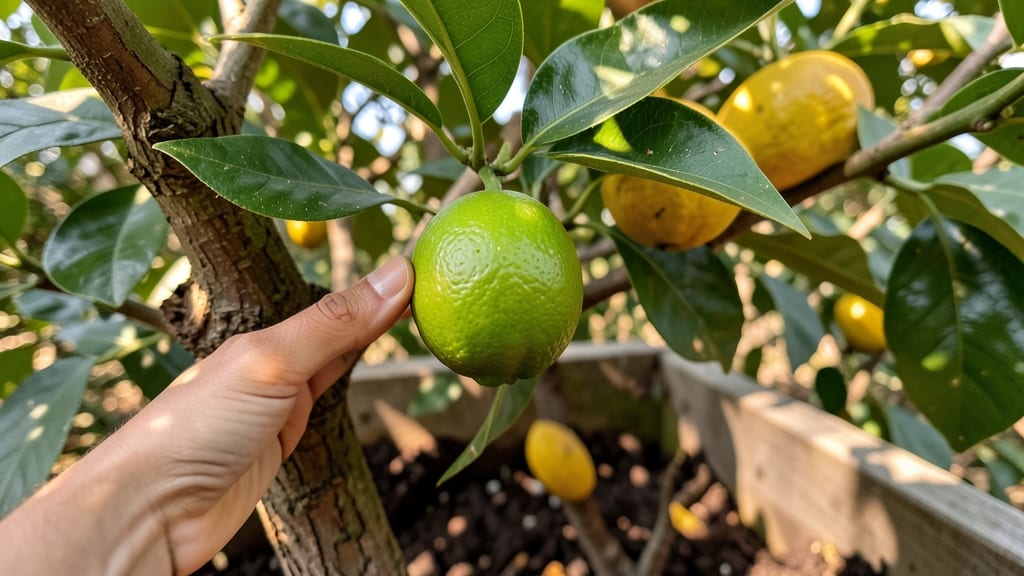
Growing your own key lime tree is easier than you think—even in containers! These proven steps will help you cultivate Florida-style fruit at home, whether you're a beginner or experienced gardener.
Choosing Disease-Resistant Key Lime Varieties
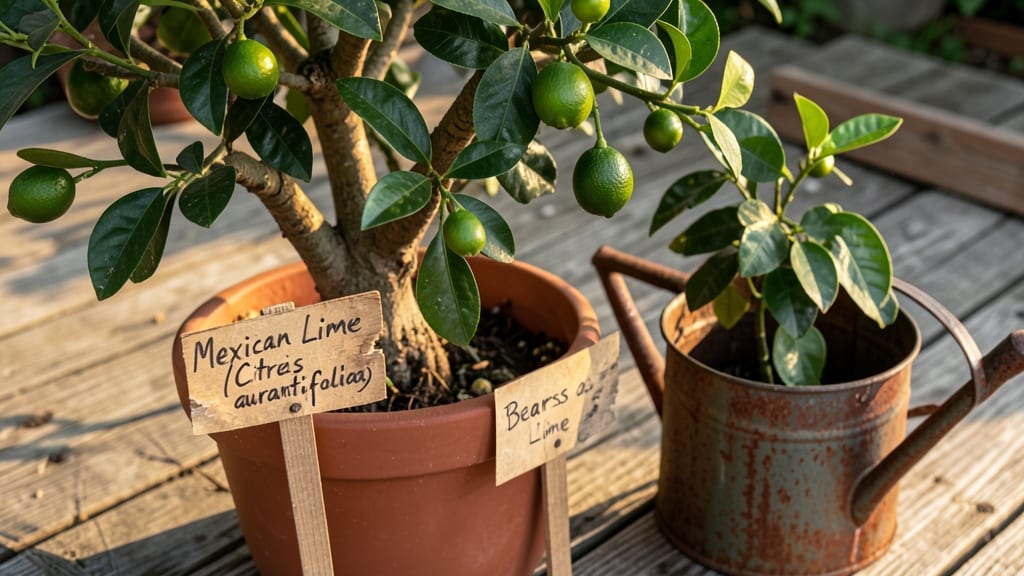
Not all key lime trees are created equal—especially when growing in containers. The 'Mexican Lime' and 'Bearss Lime' varieties stand out for their cold tolerance and disease resistance, making them ideal for container culture where roots can't escape harsh conditions.
These varieties handle temperatures down to 25°F better than traditional key limes, while their compact growth habit produces abundant fruit even in limited spaces. Both thrive in containers with proper care, offering sweet, tangy limes perfect for margaritas or desserts. The 'Bearss Lime' is particularly popular for its thicker skin and juicier flesh, making it a favorite among home growers.
For container gardeners or those in cooler climates, these varieties eliminate the guesswork—just provide full sun, consistent moisture, and regular feeding. Your reward? A reliable lime harvest year after year. 🌱
Optimal Container Size and Drainage Setup
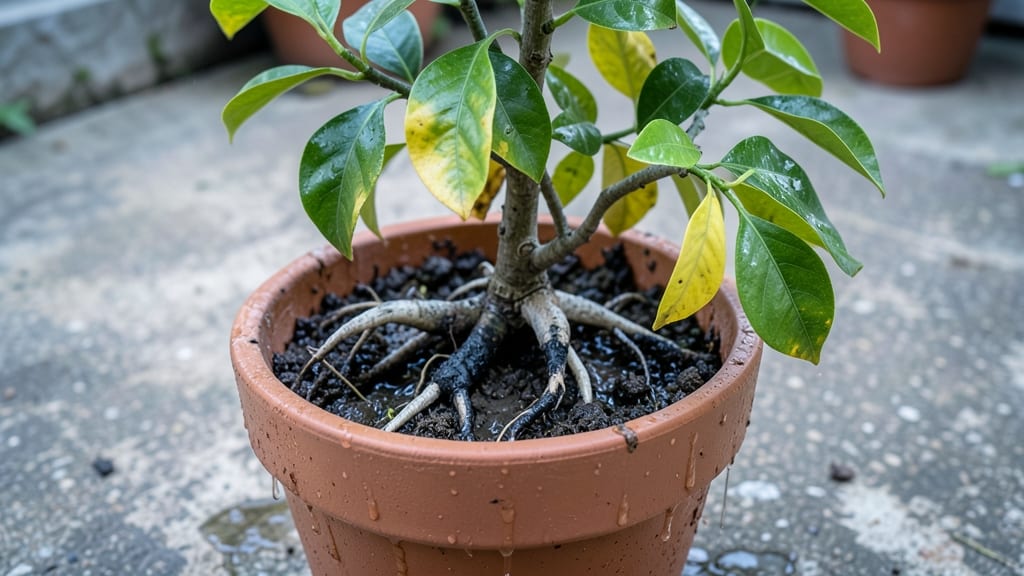
Skipping a 15-gallon pot for your key lime tree is a fast track to root rot—citrus trees hate soggy feet. Unlike their tropical cousins, container-grown key limes need ample space to establish roots while preventing waterlogging, which can suffocate the plant within weeks.
Always choose pots with multiple drainage holes (at least 3-4) to allow excess water to escape quickly. Elevate the pot on feet or a saucer to avoid sitting in standing water, and use terracotta or fiberglass materials that wick away moisture. For urban gardeners with limited space, a 20-25 gallon pot gives extra room for growth and fruit production.
This setup isn’t just about preventing rot—it’s about giving your tree the stable foundation it needs to thrive year-round. 🌱
Well-Draining Soil Mix for Containers
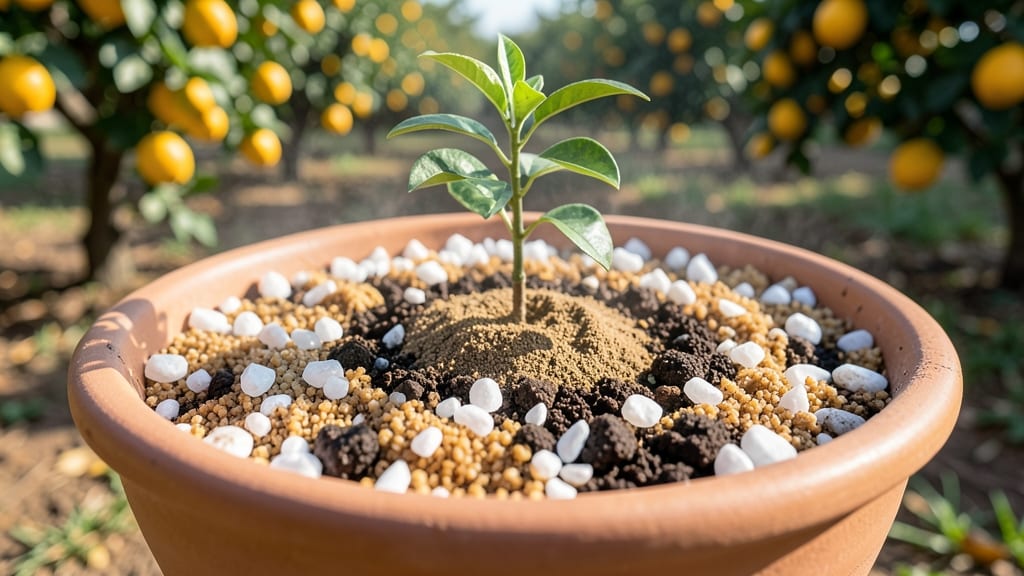
Your key lime tree’s health starts with the right soil mix—because soggy roots spell trouble for citrus. A custom blend of cactus/succulent mix (50%), perlite (30%), and well-aged compost (20%) mimics the tree’s native Florida conditions while preventing waterlogged roots that lead to rot.
This airy, gritty mix drains excess moisture quickly but retains enough humidity to keep roots hydrated. The perlite adds crucial aeration, while compost provides gentle, long-lasting nutrients. For urban gardeners or small-space growers, this lightweight mix is easier to manage than heavy garden soil and reduces the risk of overwatering—one of the biggest container-grown citrus killers.
Skip the generic potting soil, and your key lime tree will reward you with stronger growth and sweeter fruit—no guesswork required. 🌱
Sunlight Requirements for Maximum Fruit
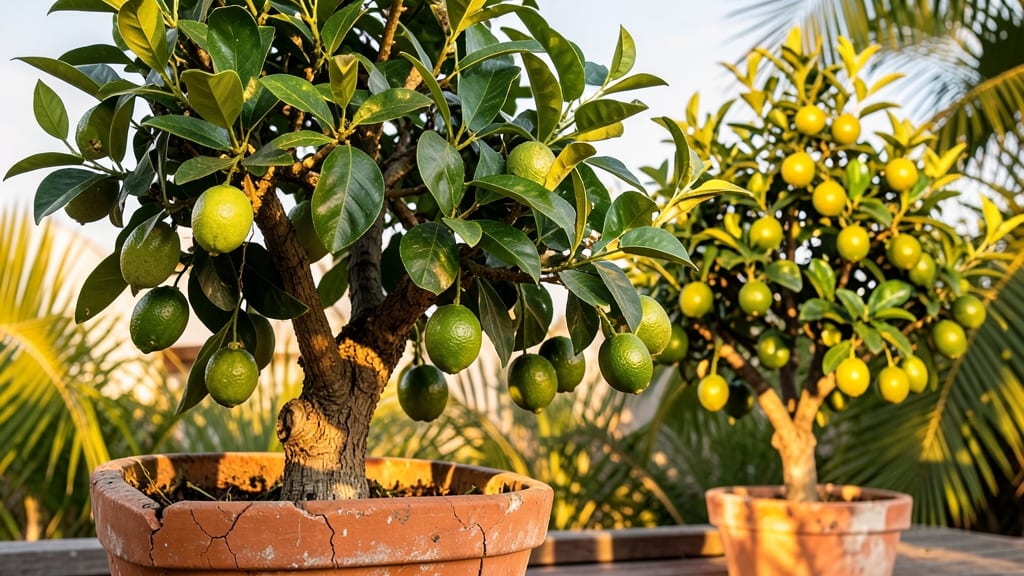
If your key lime tree isn’t producing the sweet, tangy fruit you crave, the issue might be hiding in plain sight—sunlight. Unlike shade-loving plants, key limes demand 6+ hours of direct sun daily to develop their signature flavor and juiciness. Without enough light, fruit turns bitter, small, and sparse—a common mistake in partial-shade climates where containers often get overlooked.
Position your pot in the brightest spot available, even if it means moving it seasonally to follow the sun’s arc. South- or west-facing patios are ideal, but east-facing works too if you supplement with a grow light (12-14 hours/day) during cloudy stretches. Container growers in urban areas often face this challenge—balconies with afternoon sun or rooftop gardens can work if you rotate pots weekly to ensure even exposure.
For those in partial-shade climates, this means getting creative: use reflective surfaces (like white walls) to bounce light onto the tree, or choose a dwarf variety that tolerates slightly less sun while still producing flavorful fruit. The payoff? Juicy, sweet limes straight from your container—no store-bought substitutes needed. 🌻
Watering Schedule for Healthy Growth
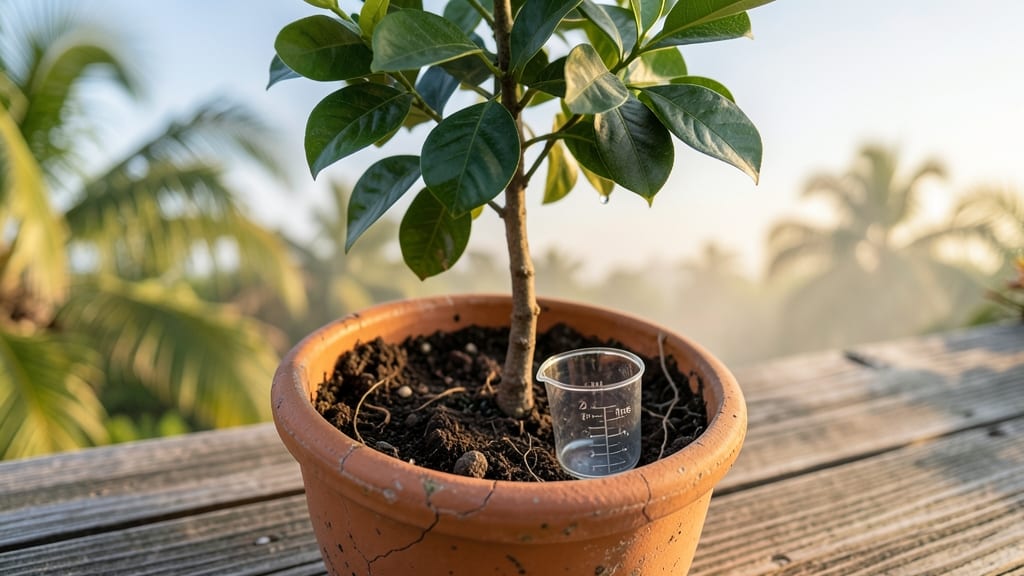
Key lime trees may love moisture, but overwatering is their silent enemy—especially in containers where roots can’t escape soggy soil. The secret to success? Deep watering 2-3 times weekly, adjusting for your climate’s heat and humidity. This method ensures moisture reaches the root zone without drowning the plant, mimicking Florida’s natural rain cycles.
Water thoroughly until it drains from the pot’s holes, then let the top 1-2 inches of soil dry before the next session. In hotter climates, you may need daily watering, while cooler areas can stretch to every 4-5 days. Always check soil moisture with your finger—if it’s damp below the surface, hold off. This approach prevents root rot while keeping your tree hydrated for optimal fruit production.
This schedule works wonders for container gardeners and those in urban spaces, where watering consistency is key. Master this step, and you’ll set your key lime tree up for strong roots and sweet harvests—no guesswork required. 💚
Fertilizing for Sweet and Abundant Fruit
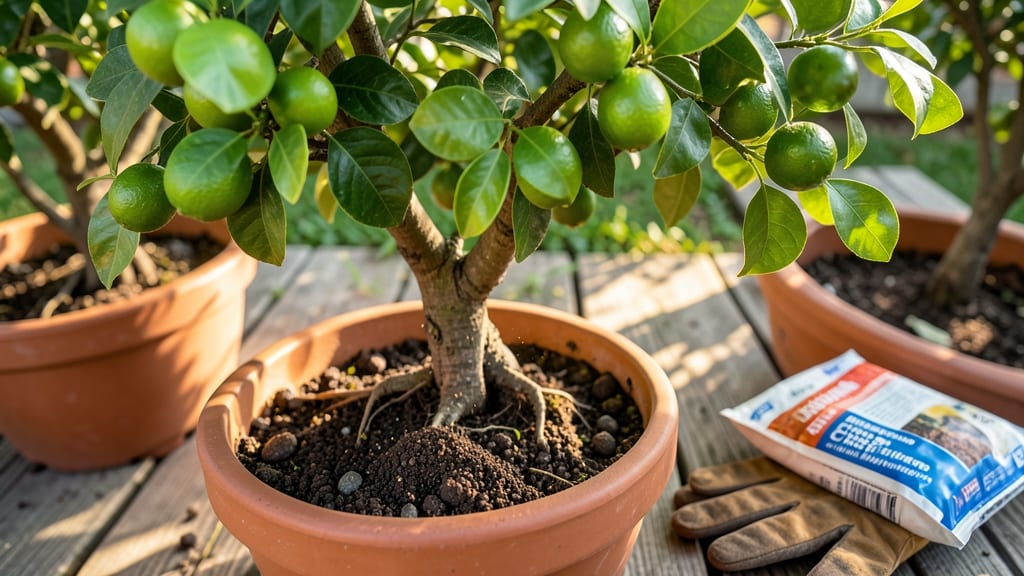
Want juicy, tangy key limes straight from your patio? The secret lies in citrus-specific fertilization—not just any old plant food! Key lime trees need a tailored feeding schedule to go from leafy green to fruit-bearing powerhouses, and generic fertilizers simply won’t cut it.
Start with a high-nitrogen fertilizer in early spring (like 10-10-10) to fuel new growth and leaf production—this is when your tree builds the energy it needs for blooms. Then, switch to a balanced NPK (8-8-8 or 10-10-10) in late spring through summer to support both foliage and fruit development. Apply every 4-6 weeks during active growth, always watering the soil first to prevent root burn. For container growers, half-strength applications work best to avoid overloading the limited root zone.
This two-phase approach ensures your tree puts energy into both strong branches and sweet, abundant fruit—perfect for urban gardeners or small-space citrus lovers. With the right feeding, you’ll be harvesting limes in just a few seasons! 🌻
Pruning Techniques to Encourage Fruit
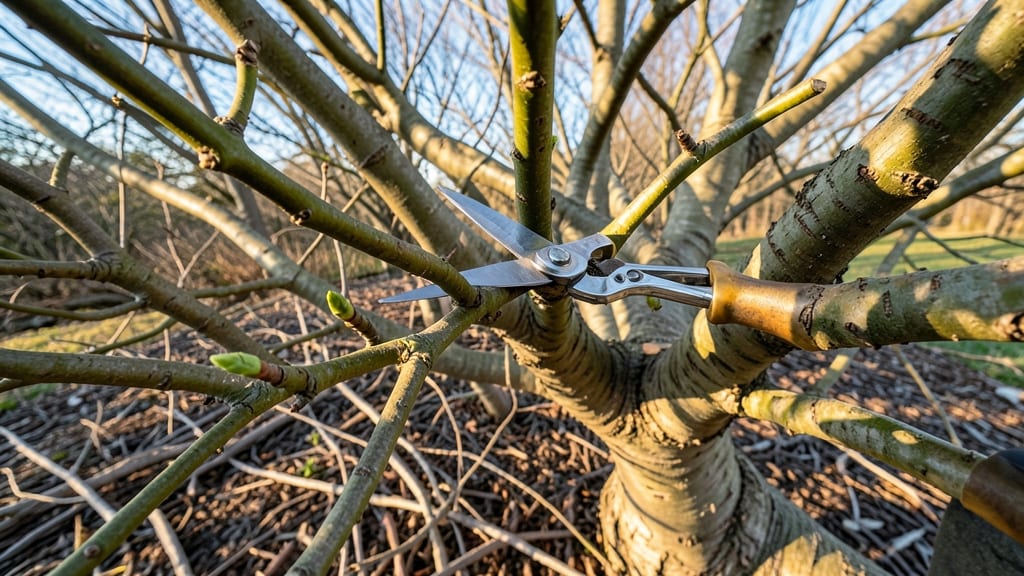
Late winter is the perfect time to give your key lime tree a strategic haircut—literally. Pruning during this dormant period removes dead or crossing branches while thinning dense growth, allowing sunlight and air to reach the center of the tree where fruit develops.
Use sharp, clean pruning shears to make cuts just above outward-facing buds or branch junctions. Focus on removing suckers (shoots growing from the base or trunk) and any branches growing inward, as these compete with fruit production. This redirection of energy ensures your tree puts its resources into developing sweet, plentiful limes rather than excessive foliage.
Container growers benefit especially from this practice, as pruned trees require less frequent repotting and maintain a more manageable size. With proper pruning, your key lime tree will reward you with a bountiful harvest year after year. 🌿
Protecting Key Lime Trees from Pests
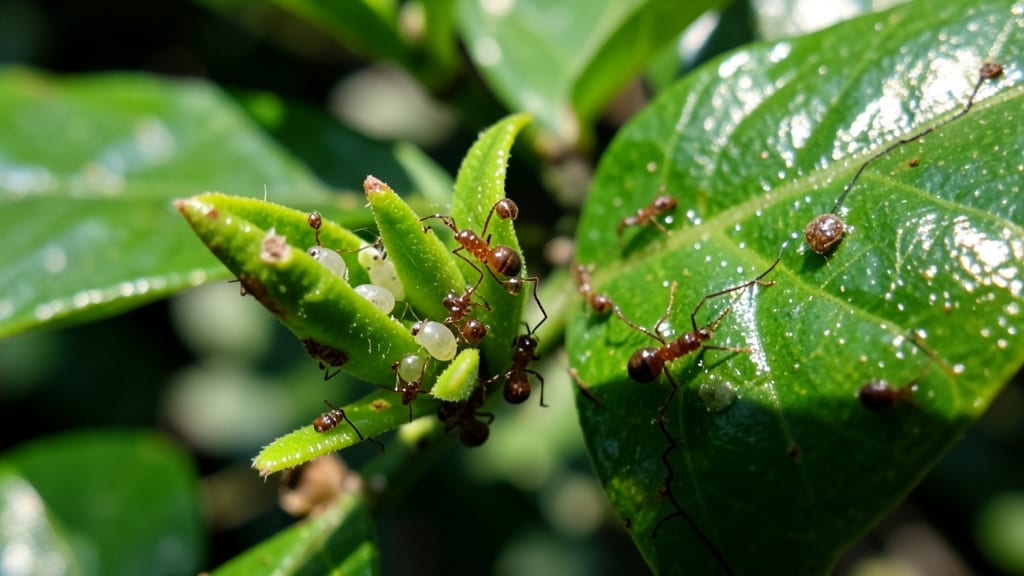
Aphids and scale insects may seem like tiny nuisances, but they can quickly sap the vitality of your key lime tree if left unchecked. These pests thrive in the tender new growth of citrus trees, leaving behind sticky residue that attracts ants and fosters fungal growth—all while stunting your tree’s ability to produce fruit.
Fortunately, neem oil and horticultural soap offer gentle yet effective organic solutions. Mix 1 teaspoon of neem oil with 1 quart of water and a few drops of dish soap, then spray the undersides of leaves where pests hide. For stubborn infestations, reapply every 5-7 days until pests disappear. Horticultural soap works similarly—simply spray a 1% solution directly on infested areas, ensuring full coverage. Both treatments are safe for humans and pets once dry.
Container gardeners and urban growers will appreciate how these methods prevent pests without harsh chemicals, keeping your tree healthy and productive. With regular monitoring, you’ll keep your key lime tree thriving and pest-free. 🌿
Winter Care for Container-Grown Trees
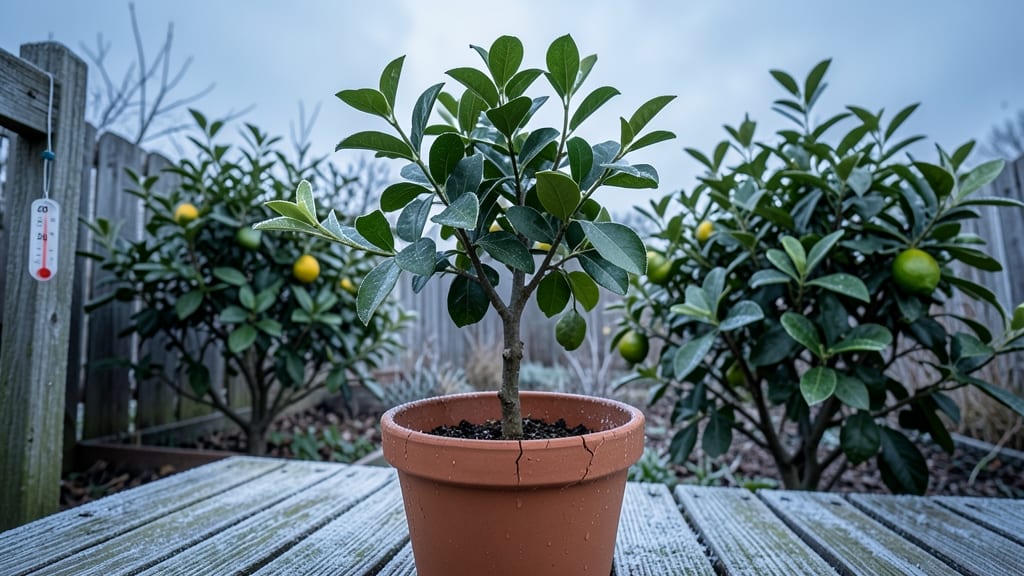
When winter’s chill threatens your container-grown key lime tree, don’t let it become a casualty of the cold. Unlike hardy citrus varieties, young key lime trees in pots are vulnerable to freezing temperatures below 30°F, which can cause irreversible damage to roots and branches—even if the tree looks healthy.
To protect your investment, move the pot indoors to a sunny spot with temperatures above 60°F (like a garage, sunroom, or even a heated patio). If relocating isn’t an option, drape the tree with frost cloth or wrap the pot in bubble wrap to insulate roots. For urban gardeners with limited space, this simple step ensures your tree survives winter and returns stronger in spring, ready to produce fruit.
This winter care routine is especially critical for container growers—your tree’s roots are confined, making them far more sensitive to temperature swings. With this protection, you’ll keep your key lime tree thriving through the coldest months. ✨
Harvesting and Storing Key Limes

There’s nothing like the moment you pluck a ripe key lime straight from your own tree—but timing is everything. Harvest when the fruit is firm but slightly soft to the touch, usually around 60-70 days after flowering, for the perfect balance of tartness and sweetness. Overripe limes turn yellow and lose their signature tang, while underripe ones lack flavor.
For fresh use, store limes at room temperature in a breathable mesh bag for up to 2 weeks. To extend shelf life, refrigerate them in a plastic bag for up to 2 months—the cold slows ripening without sacrificing texture. Freeze excess limes in water for smoothies or margaritas, but avoid freezing if you plan to use them for zesting.
This simple storage trick ensures you’ll always have homegrown limes ready for baking, drinks, or salads—no last-minute grocery runs needed. 🌟