
How To
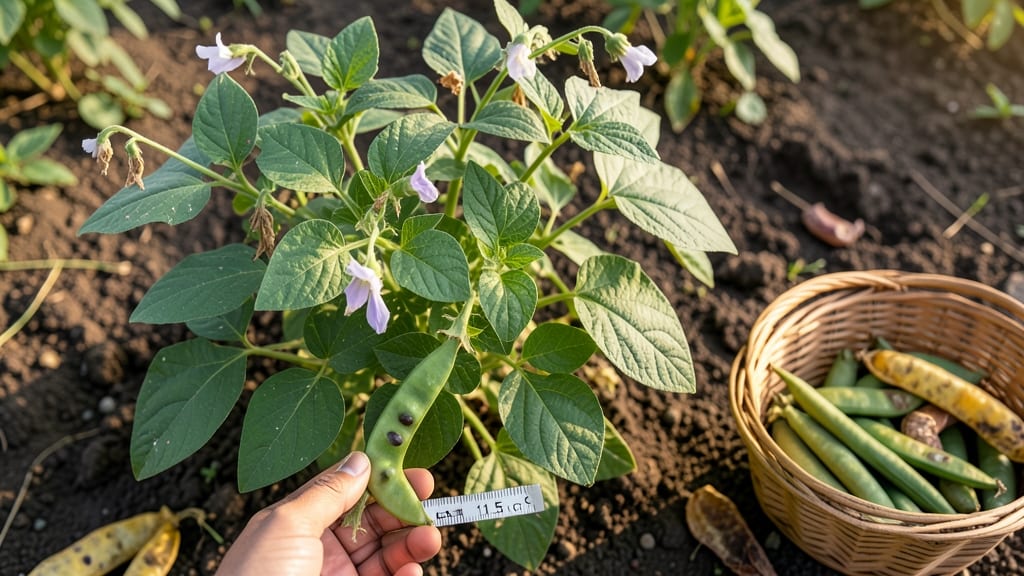
How to know when your 🌱 bush beans are ready to harvest can make all the difference between a delicious, tender meal and a tough, stringy disappointment. The key lies in paying attention to subtle but critical visual and tactile cues that tell you the perfect moment to pick.
Most gardeners wait around 50-60 days after planting, but timing isn't just about days—it's about what you see and feel. I'll show you the three simple checks that guarantee you'll harvest at peak flavor and texture, so you never miss the window again.
If you've ever pulled a bean pod only to find it too small or overly mature, you know how frustrating it can be. The good news? With just a quick look and gentle squeeze, you can master the art of harvesting bush beans like a pro.
Let's dive into the exact signs to watch for—so you can enjoy homegrown beans at their best, every time. You'll learn how to spot the ideal size, color, and firmness, plus how to avoid common mistakes that waste your hard work.


3 Visual and tactile signs your bush beans are harvest-ready
Mastering the art of harvesting bush beans starts with recognizing the three key visual and tactile cues. These simple checks ensure you pick pods at their peak—when they’re tender, flavorful, and free of tough strings.
Skipping these steps often leads to overripe, woody beans that ruin even the best homegrown harvest.
First, observe the pod length and color. Ready-to-harvest bush beans typically measure between 4 to 6 inches long, depending on the variety. Their color should be vibrant and consistent, whether green, purple, or speckled. Pale or uneven hues signal underripe pods that lack sweetness.
Next, perform the "gentle squeeze test". Gently press a pod between your thumb and forefinger—it should feel firm yet slightly yielding, almost like a ripe cucumber. If it resists pressure completely, it’s too young. If it feels mushy or cracks, you’ve waited too long.
Finally, peek inside the pod to check seed development. At the perfect harvest time, seeds should be visible but small, filling only about one-third of the pod’s length. Larger seeds mean the bean has passed its prime, leading to a tough, stringy texture that’s hard to chew.
- Pod Length: 4-6 inches (varies by variety)
- Color: Vibrant and consistent (no pale spots)
- Texture: Firm but yields slightly when pressed
- Seeds: Visible but small (1/3 pod length)
- Timeframe: 50-60 days after planting
Timing is everything with bush beans, and these visual cues work for both green and wax varieties. For example, Kentucky Wonder beans turn a deep green when ready, while Blue Lake varieties develop a rich, uniform hue. Always harvest on a dry, sunny morning to preserve texture and flavor.
Overlooking these signs often leads to missed harvest windows. For instance, waiting just 2-3 days past readiness can turn tender pods into leathery, stringy messes. I’ve learned this the hard way—once, I let my Blue Lake beans linger too long, and the once-crisp pods became nearly inedible.
Another critical tip: Check plants daily once they start flowering. Bush beans produce pods rapidly, and missing a day can mean the difference between a bountiful harvest and wasted effort. Use a small handheld magnifying glass if needed to inspect pods closely.
For container gardeners, pay extra attention to pod development since space is limited. In pots, beans often mature faster due to warmer soil temperatures, so monitor them every 48 hours during peak production.
A quick twist-and-pull method works best—grip the pod near the stem and give a firm tug.
Remember, the earlier you start harvesting, the more your bush bean plants will produce. This is because removing ripe pods stimulates the plant to focus energy on new flower and pod development. Think of it like pruning—it encourages continuous growth throughout the season.
If you’re growing multiple varieties, keep a small notebook nearby to track which pods are ready. Some varieties, like Purple Majesty, change color dramatically when ripe, while others, like Contender, stay green but develop a glossy finish.
Knowing these differences helps you harvest efficiently without missing a beat.
3 Visual and tactile signs your bush beans are harvest-ready
Bush beans thrive when picked at their peak, but knowing exactly when that moment arrives can be tricky. The key lies in combining visual cues with simple tactile tests—think of it as giving your beans a quick exam before harvest.
I’ve grown bush beans for years, and I can tell you that mastering these three checks will transform your harvest from stringy disappointments to crisp, flavorful perfection.
First, focus on the pod size. Ready-to-harvest bush beans typically measure between 4 to 6 inches long. This length ensures the pods are fully developed but haven’t yet started to toughen.
Smaller pods (under 2 inches) are still developing and lack the sweetness you crave. Overlooking this simple rule can mean the difference between a garden-fresh snack and a meal of tough, chewy beans.
🌱 3 Key Harvest Checks
- Pod Size: 4-6 inches long
- Color: Fully developed (no pale spots)
- Texture: Firm but yields slightly when pressed
Next, examine the pod color. Mature bush beans should display their full, vibrant hue—whether that’s classic green, purple, or striped, depending on the variety. Pale or uneven coloring signals underripe pods, while overly dark or wrinkled skins mean the beans have passed their prime.
I always check for consistent coloration across the entire pod, as this is a foolproof sign of readiness.
Finally, the tactile test is where many gardeners go wrong. Gently squeeze a pod between your thumb and forefinger—it should feel firm yet slightly yielding, almost like a ripe avocado.
If the pod feels rock-hard, it’s too early; if it’s mushy or overly soft, you’ve waited too long. Pro tip: Look inside the pod if possible—you’ll see small, plump seeds that aren’t yet filling the entire pod. This is your green light to harvest!
Timing your harvests this way ensures you’re always picking beans at their peak tenderness. I’ve found that checking pods every 2-3 days during their prime (typically 50-60 days after planting) keeps my harvests bountiful.
And remember: the more you pick, the more your bush bean plants will produce—it’s like giving them a little nudge to keep growing!
One common mistake I see is assuming all bush bean varieties mature at the same rate. Some, like Blue Lake or Kentucky Wonder, ripen faster, while others, such as Roma or Contender, take their time. Always cross-reference your variety’s days-to-maturity with these visual cues for the best results.