How To
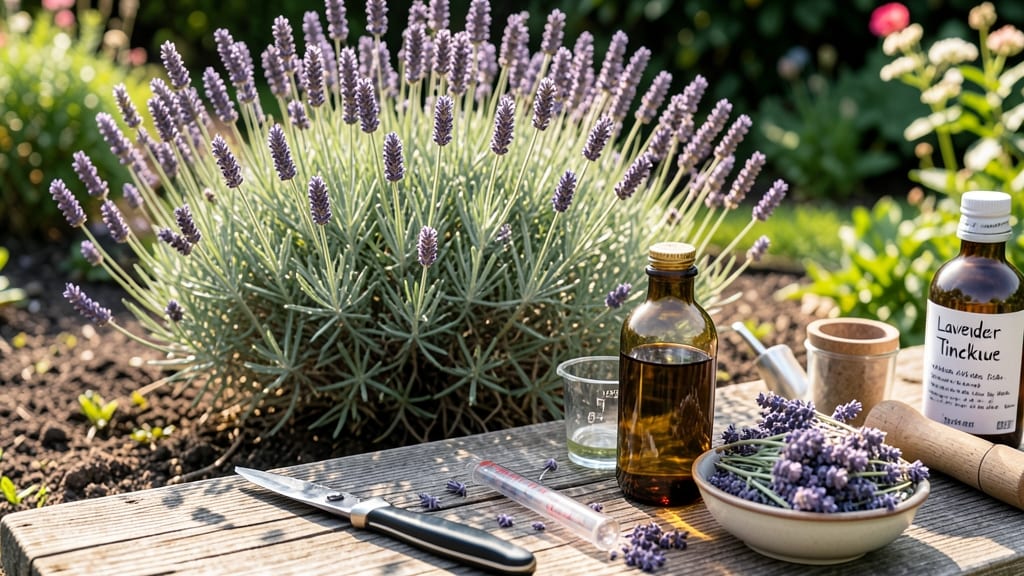
Making lavender tincture turns your garden harvest into a soothing remedy that lasts for years. ✨ The process is simpler than you'd think—just dried buds, high-proof alcohol, and a few weeks of patience. I've made dozens of batches, and this method guarantees a potent extract without the guesswork.
You'll need dried lavender buds (about 1 cup), vodka or everclear (160-proof alcohol works best), and a clean glass jar to store everything. The key is using enough alcohol to fully submerge the buds—this ensures maximum extraction of those calming lavender compounds.
Store it in a cool, dark place, and shake gently every few days.
After 4-6 weeks, you'll have a golden liquid with lavender's signature aroma and therapeutic properties. Strain out the plant matter, bottle it in amber glass, and you're ready to use it for stress relief, sleep support, or even minor skin irritations.
The potency makes just a few drops effective for most applications.
Common mistakes include using wet buds (which dilute the alcohol) or storing it in clear containers (light degrades the tincture). For best results, harvest lavender when buds are fully open but before they turn brown.
This method works for other herbs too—just adjust the steeping time based on the plant's hardness.
📚 In This Guide
- What you need
- Instructions
- Tips and common mistakes
- Wrapping up and next steps
What you need
- ● Dried lavender buds – 1 cup (about 30g). Choose high-quality, organic lavender for the best flavor and potency.
- ● High-proof alcohol (80-100 proof) – 1 cup (8 oz or 240ml). Vodka, everclear, or grain alcohol work best.
- ● Clean glass jar – 1 quart-sized (32 oz) with an airtight lid. Mason jars are ideal for storage.
- ● Dark glass dropper bottle – 4 oz (120ml) with a lid and dropper. Protects your tincture from light.
- ● Fine-mesh strainer or cheesecloth – For filtering out plant debris.
- ● Funnel – To transfer the tincture into your dropper bottle.
- ● Label & marker – To mark your creation with the date and contents.
- ● Small mortar and pestle – To gently crush lavender buds for better extraction.
- ● Food processor or blender – For a more efficient grind (if not using hands).
- ● Dark storage cabinet or box – To keep your finished tincture away from light.
- ● Notebook – To track potency, dates, and usage notes.
Step-by-Step instructions for making lavender tincture
Here's my go-to method for extracting lavender's soothing power into a potent liquid medicine.
🌿 Step 1: Harvest and Prepare Fresh Lavender
Pick lavender flowers on a dry morning after the dew has evaporated. You'll need about 2 cups of fresh buds—this yields enough tincture for 4 servings. Trim stems to 1-2 inches below the flower clusters, then strip the buds from the stems by gently rubbing them between your fingers. Discard woody stems and any damaged blooms.
Fresh lavender works best, but if you're using dried flowers, increase the quantity to 3 cups since they're less potent. Spread the buds on a clean towel in a single layer and let them air-dry for 1-2 hours to remove excess moisture. This prevents mold during the extraction process and ensures a longer shelf life for your tincture.
🪴 Step 2: Choose Your Solvent and Container
For this tincture, you'll use 1 cup of high-proof vodka (80-proof or higher)—it's the gold standard for herbal extractions because it preserves the plant's compounds without degrading them. A 16-ounce glass jar with a tight-sealing lid works perfectly. If you prefer a grain alcohol like Everclear, use 1.5 cups since it's stronger.
Sterilize your jar and lid by rinsing them with boiling water for 30 seconds, then let them cool completely. This prevents contamination that could ruin your tincture. Add the dried lavender buds to the jar, packing them gently but firmly—you want them to fill about half the jar's volume. Leave 2-3 inches of headspace at the top for the solvent.
💧 Step 3: Infuse the Lavender for Maximum Potency
Pour the vodka over the lavender buds, ensuring every flower is fully submerged. Seal the jar tightly and give it a gentle shake to mix. Place the jar in a dark, cool spot—like a pantry or cabinet—and let it infuse for 4-6 weeks. The longer it sits, the more potent the tincture becomes, but 6 weeks is ideal for full extraction.
Check the jar every 7-10 days and give it a shake to redistribute the solvent. You'll notice the liquid turning a pale yellow or greenish hue as the lavender's oils and compounds dissolve. Avoid sunlight during this time—it breaks down the delicate compounds you're trying to preserve. If mold appears (fuzzy spots or discoloration), discard the batch immediately and start over with fresh materials.
⏰ Step 4: Strain and Store Your Finished Tincture
After 6 weeks, strain the lavender buds from the liquid using a fine-mesh strainer or cheesecloth. Press the herbs gently with a clean spoon to extract every last drop of tincture. Transfer the liquid to a clean, amber glass dropper bottle—this protects it from light degradation. Label your bottle with the date and contents.
Store the tincture in a cool, dark place (like a pantry or fridge) where it'll keep for 1-2 years. The alcohol acts as a natural preservative, but potency fades over time. For best results, use it within 6 months. You'll end up with about 1 cup of finished tincture, ready to use as a calming remedy or aromatic addition to baths and skincare.
🌱 Step 5: Test and Use Your Lavender Tincture
Before using, do a patch test—apply a drop of diluted tincture to your inner arm. Wait 24 hours to check for irritation. For internal use, dilute 1 dropperful (0.5 mL) in 4 oz of water and sip as needed for relaxation. For external use, mix 10 drops with 1 tablespoon of carrier oil (like jojoba or almond oil) for a soothing massage oil.
This tincture is potent, so start with small doses. If you notice any adverse reactions—like dizziness or an upset stomach—discontinue use. The finished product should smell strongly of lavender with a clean, herbal note. If it smells weak or off, it may have spoiled, and you should discard it.
Tips & tricks for perfect lavender tincture extraction
These little details make all the difference between a mediocre infusion and a truly potent herbal remedy.
Harvesting Matters: When picking lavender in Step 1, focus on the buds—not the flowers. The tiny buds contain the highest concentration of essential oils, while open flowers release more quickly. If you're using fresh lavender, trim stems to exactly 1-2 inches below the buds for maximum surface area contact with the solvent. For dried lavender, use 50% more (3 cups instead of 2) since dried herbs lose potency during processing.
Solvent Selection: In Step 2, stick with high-proof vodka (80-proof or higher) for reliable extraction—it preserves delicate compounds without breaking them down. If you prefer grain alcohol like Everclear, remember to adjust the quantity to 1.5 cups since it's stronger. The key is ensuring every lavender bud stays fully submerged during the entire 4-6 week infusion period.
Infusion Environment: During the critical 4-6 week infusion in Step 3, keep your jar in a consistently cool (65-70°F) and completely dark place. Temperature fluctuations can accelerate spoilage, while any light exposure—even indirect sunlight—will degrade the lavender's active compounds. I keep mine in a pantry cabinet with a tight-fitting door to block all light.
Straining Technique: When you're ready to strain after 6 weeks, use a double layer of cheesecloth for finer filtration. Press the lavender buds gently but firmly with a clean spoon to extract every last drop—this maximizes your yield. The finished tincture should be a vibrant pale yellow or greenish hue, not clear or brownish, which indicates proper extraction.
Pro Tips for Make Lavender Tincture
- These little details make all the difference between a mediocre infusion and a truly potent herbal remedy.
- Harvesting Matters: When picking lavender in Step 1, focus on the buds—not the flowers. The tiny buds contain the hig...
- Solvent Selection: In Step 2, stick with high-proof vodka (80-proof or higher) for reliable extraction—it preserves d...
Frequently asked questions
Got questions about making lavender tincture?
Here are answers to the most common ones—so you can craft your remedy with confidence!
How long does it take for the lavender tincture to be ready?
With the alcohol infusion method, your lavender tincture is typically ready in 4–6 weeks. For a faster option (like glycerite or vinegar-based), it can be ready in 2–4 weeks. Patience ensures maximum potency!
Can I use vodka instead of high-proof alcohol?
Yes, but expect slower extraction and lower potency. Vodka (80–100 proof) works, but 190-proof grain alcohol or everclear (160+ proof) is ideal for preserving lavender’s therapeutic compounds. Dilute properly to avoid harshness!
What if my lavender turns brown or moldy?
Brownish hues are normal (oxidation), but mold or foul smells mean contamination. Discard immediately! To prevent this, use sterilized jars, dry lavender thoroughly, and store in a cool, dark place. If unsure, test a small batch first.
How do I know if my tincture is potent enough?
A strong lavender tincture should have a rich, floral aroma and a deep purple-brown color. For potency checks, compare with store-bought versions (though homemade may vary). If it’s too weak, steep longer or use more lavender buds.
Can I reuse the lavender buds after making tincture?
No—once infused, the buds release their oils and lose potency. However, you can compost them or use them for lavender sachets (for scent) or tea blends (though flavor will be mild). Never reuse them for tinctures!
Wrapping up and next steps
You’ve now unlocked the simple yet powerful art of making lavender tincture—a natural remedy packed with calming and healing benefits! 🌿 Whether you’re crafting it for relaxation, skincare, or general wellness, this easy process lets you harness lavender’s magic at home. Ready to elevate your self-care routine?
Your next step? Experiment with infusing other herbs like chamomile or peppermint, or even blending your lavender tincture into DIY bath salts or massage oils. The possibilities are endless—happy tincturing! ✨