
Size
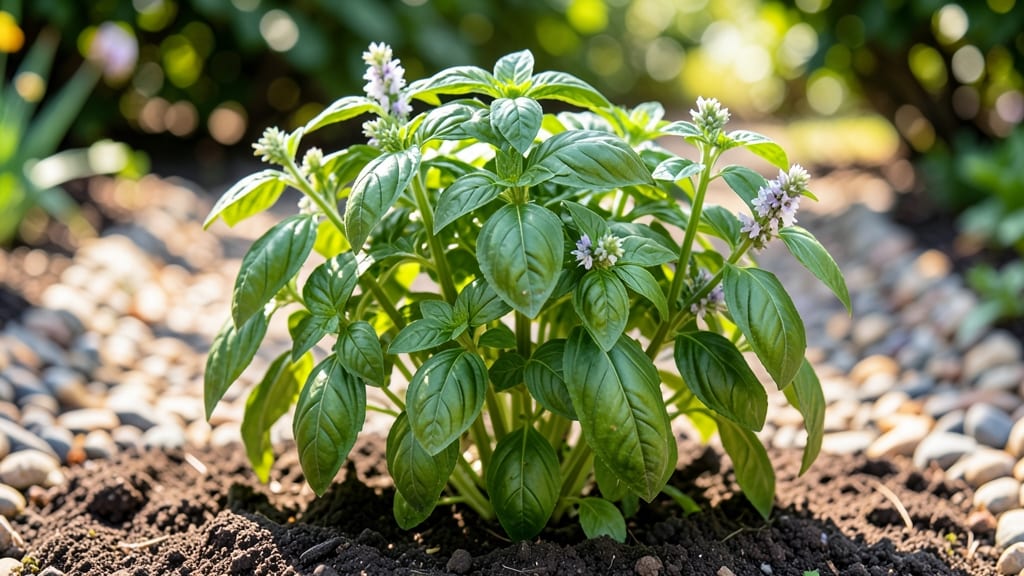
How to grow bushy basil starts with a single pinch—trust me, it works. 🌱 I used to end up with tall, leggy stems and a handful of leaves at the top, but this method transformed my plants into dense, leafy powerhouses that produce for months. The secret lies in pruning and pinching at the right time—when stems reach about 6 inches tall, snip just above a set of leaves to encourage branching. Most people skip this step, but it’s what turns floppy plants into sturdy, bushy bushes. You’ll need well-draining soil, plenty of sunlight, and consistent watering to keep roots happy. Within 4-6 weeks, you’ll see a noticeable difference—more leaves, fuller growth, and a plant that looks like it belongs in a garden center. The best part? You’ll harvest more basil than you know what to do with, all while keeping the plant compact and manageable. This works for both container and in-ground basil, and the same principles apply to other herbs like oregano or thyme. Let’s get those stems pinching!
📚 In This Guide
- What you need
- Instructions
- Tips and common mistakes
- Wrapping up and next steps
What you need
- ● Basil seeds or seedlings: Choose sweet basil (Genovese or Napoletano) or Thai basil for bold flavor. Start with 3–5 seeds or 2–3 seedlings per pot.
- ● Containers: Use pots with drainage holes (6–8 inches in diameter for 1–2 plants) or a raised bed if planting outdoors. Terracotta or fabric pots work best.
- ● Potting mix: A well-draining, sterilized mix like 50% potting soil + 50% perlite or coconut coir (avoid garden soil—it compacts!).
- ● Sunlight: A south-facing window (6+ hours of sunlight) or a grow light (12–16 hours/day) for indoor setups.
- ● Water: Room-temperature, chlorine-free water (rainwater or filtered water is ideal).
- ● Fertilizer: A balanced liquid fertilizer (10-10-10 or 20-20-20) or compost tea (diluted to half-strength).
- ● Pruning shears or clean scissors: Sharp, sterilized tools to pinch and prune (avoid dull blades—they crush stems!).
- ○ Gloves (optional): Protect your hands from dirt or prickly stems.
- ● Spray bottle: For misting seedlings or humidifying indoor setups.
- ○ Twine or plant ties (optional): If training basil vertically, use soft ties to support stems.
- ● Temperature: Basil thrives in 60–75°F (15–24°C). Avoid cold drafts or extreme heat.
- ● Humidity: Maintain 40–60% humidity (use a tray of pebbles + water under pots if needed).
- ● Patience: Bushy growth takes 4–6 weeks of consistent care!
Step-by-Step instructions for growing bushy basil
Here's how I turn leggy basil into a lush, compact plant—no fancy tools needed.
🌱 Step 1: Start With Healthy Seedlings
Begin with 4-inch-tall basil seedlings that have 3-4 sets of true leaves—those are the small, rounded leaves that appear after the initial seed leaves. Avoid plants with yellowing leaves or stems that feel mushy, as these indicate disease or overwatering. I like to plant basil in 6-inch pots or directly in the garden where it gets 6+ hours of sunlight daily. The key here is ensuring your starting plants are strong, not stressed.
If you're starting from seed, wait until seedlings have at least 2 sets of true leaves before pinching. Young plants handle pruning better once they've established a root system. I always check the soil before planting—it should be moist but not soggy. Too much water at this stage can drown tender roots.
✂️ Step 2: Pinch the Top Set of Leaves
When your basil reaches 4-6 inches tall, it's time to pinch. Using your clean fingers or small pruning shears, snip off the top set of leaves just above a pair of leaves that sit opposite each other on the stem. This might seem counterintuitive—why remove leaves?—but this forces the plant to grow side branches instead of just one long stem. You'll see new growth sprouting from the leaf nodes below your cut within 5-7 days.
Don't worry if it looks like you're sacrificing growth—this is the secret to bushier basil. I always sterilize my shears with rubbing alcohol before cutting to prevent introducing bacteria. If your basil starts to look leggy again after pinching, repeat the process. The goal is to keep the plant compact and full, not tall and sparse.
☀️ Step 3: Prune Regularly for Side Growth
Once your basil starts branching, prune the tips of new stems whenever they grow 2-3 inches long. This encourages even more side growth. I like to do this every 2-3 weeks during the growing season. Always cut just above a pair of leaves to promote new shoots. You'll notice the plant filling out quickly—this is how you get that dense, bushy look basil lovers adore.
Watch for flower buds forming—these signal the end of the basil's productive life. Snip them off immediately to redirect the plant's energy into leaf growth instead of flowers. If you let basil flower, the leaves become bitter and the plant stops growing new foliage. I check my plants weekly for buds and remove them as soon as I spot them.
💧 Step 4: Maintain Consistent Care
Basil thrives with consistent moisture—keep the soil evenly damp but never waterlogged. I water mine when the top inch of soil feels dry to the touch, usually every 2-3 days depending on heat and humidity. Overwatering causes root rot, while underwatering leads to wilting and stunted growth. A self-watering pot can help maintain steady moisture if you tend to forget.
Feed your basil with a balanced liquid fertilizer (like 10-10-10) every 4-6 weeks during the growing season. I dilute it to half-strength to avoid burning the roots. Fertilizer encourages lush growth, but don't overdo it—too much can make the leaves taste harsh. Always water before fertilizing to prevent root damage.
🌿 Step 5: Harvest Strategically
Harvest leaves from the outer stems first to encourage new growth toward the center. Use clean scissors or your fingers to pluck leaves just above a leaf node. This prevents damaging the main stem and promotes bushier growth. I harvest every 2-3 weeks during the growing season, but never take more than ⅓ of the plant at once. Over-harvesting stresses the plant and slows regrowth.
If your basil starts to look sparse or leggy again, it's time to prune back by ⅓. Cut just above a set of leaves, and you'll see fresh growth within 7-10 days. This keeps the plant compact and productive all season long. The more you prune, the bushier your basil will become—it's a virtuous cycle!
Tips & tricks for perfect bushy basil growth
Here's what nobody tells you about keeping your basil lush and compact—these are the secrets I've learned after watching my plants go from leggy to thriving.
The Pinching Technique: When you pinch those top leaves in Step 2, make sure you're cutting just above a pair of leaves that sit directly across from each other. This is where the plant's growth hormones are most active, so you're essentially telling the plant, "Grow more here!" I've found that using clean fingers works just as well as shears, but if you choose shears, sterilizing them with rubbing alcohol first prevents introducing harmful bacteria to your plant. The 5-7 day waiting period for new growth is crucial—don't rush this step or you'll end up with weak side branches.
Pruning Frequency: In Step 3, the 2-3 week pruning schedule works perfectly in moderate climates, but if you're in a hot, dry area, you might need to prune every 1-2 weeks. The key visual cue is when new stems reach 2-3 inches—this is when they're ready for another trim. I always make my cuts at a slight angle just above a leaf node to prevent water from pooling and causing rot. This angled cut also gives the plant a larger surface area for new growth to emerge from.
Sunlight Strategy: The instructions mention 6+ hours of sunlight, but I've discovered that morning sun is more beneficial than harsh afternoon rays. If you notice your basil leaves turning yellow or crispy, it's getting too much direct sun. A simple trick is to place your basil in a spot where it gets morning sun and afternoon shade. This prevents leaf burn while still giving it enough light to thrive. For container growers, rotating your pots every few days ensures even sun exposure all around the plant.
Watering Wisdom: Step 4's advice about keeping soil evenly damp is spot-on, but I've learned that watering consistency matters more than frequency. Instead of sticking to a rigid 2-3 day schedule, I check the top inch of soil daily—if it feels dry, it's time to water. The key is to water deeply each time rather than giving frequent shallow drinks. This encourages the roots to grow deeper, making your basil more resilient. I've also found that watering in the morning gives the plants time to dry out slightly during the day, reducing the risk of fungal issues.
Pro Tips for Grow Bushy Basil
- Here's what nobody tells you about keeping your basil lush and compact—these are the secrets I've learned after watching my plants go from leggy to thriving.
- The Pinching Technique: When you pinch those top leaves in Step 2, make sure you're cutting just above a pair of leaves that sit directly across from each other.
- Pruning Frequency: In Step 3, the 2-3 week pruning schedule works perfectly in moderate climates, but if you're in a hot, dry area, you might need to prune every 1-2 weeks.
Frequently asked questions
Got questions about growing bushy, lush basil? You’re not alone!
Here are answers to the most common queries—from pruning puzzles to pest problems—so you can keep your basil thriving like a pro.
1. How often should I pinch basil to keep it bushy?
Pinch your basil regularly—about every 2–3 weeks—to encourage branching. Start when the plant has 4–6 true leaves, then snip just above a pair of leaves (the node) to stimulate new growth. Pro tip: Stop pinching 4–6 weeks before harvest if you’re growing for seed, as flowers signal maturity.
2. Can I prune basil too much? What are the signs?
Yes! Over-pruning (cutting more than 1/3 of the plant at once) stresses basil, leading to leggy growth or even stunted stems. Signs of over-pruning include yellowing leaves, slow regrowth, or woody stems. If this happens, reduce pruning frequency and focus on trimming just the top sets of leaves.
3. Why is my basil growing tall and skinny instead of bushy?
Tall, leggy basil usually means lack of light or overcrowding. Move your plant to a sunny spot (6+ hours of direct light daily) and thin out seedlings if growing from seed. If indoors, supplement with a grow light. Bonus: Pinching the top growth early forces bushier sides!
4. What should I do if my basil leaves turn yellow or have holes?
Yellow leaves often signal overwatering or nutrient deficiency (like nitrogen). Brown holes or chewed edges? Pests (like aphids or spider mites) are likely culprits. Fix it: Water at soil level (not overhead), fertilize lightly with balanced plant food, and spray with neem oil or insecticidal soap.
5. Can I grow bushy basil in containers? What’s the best pot size?
Basil thrives in containers—just use a pot at least 6–8 inches deep (bigger for multiple plants). Ensure drainage holes are present to prevent root rot. Pro move: Place pots in full sun and rotate them weekly for even growth.
Wrapping up and next steps
Growing bushy, lush basil is all about patience, consistency, and a little know-how!
By mastering pinching and pruning, you’ll encourage dense foliage and prevent leggy stems—plus, you’ll enjoy a steady harvest of flavorful leaves. 🌿 Whether you’re a beginner or a seasoned gardener, these techniques work wonders in containers, gardens, or even windowsills.
Ready to level up your herb game? Start by harvesting a few leaves for your favorite recipes—pesto, caprese salads, or fresh pasta—and watch your basil thrive! 🍅🍝