
How To
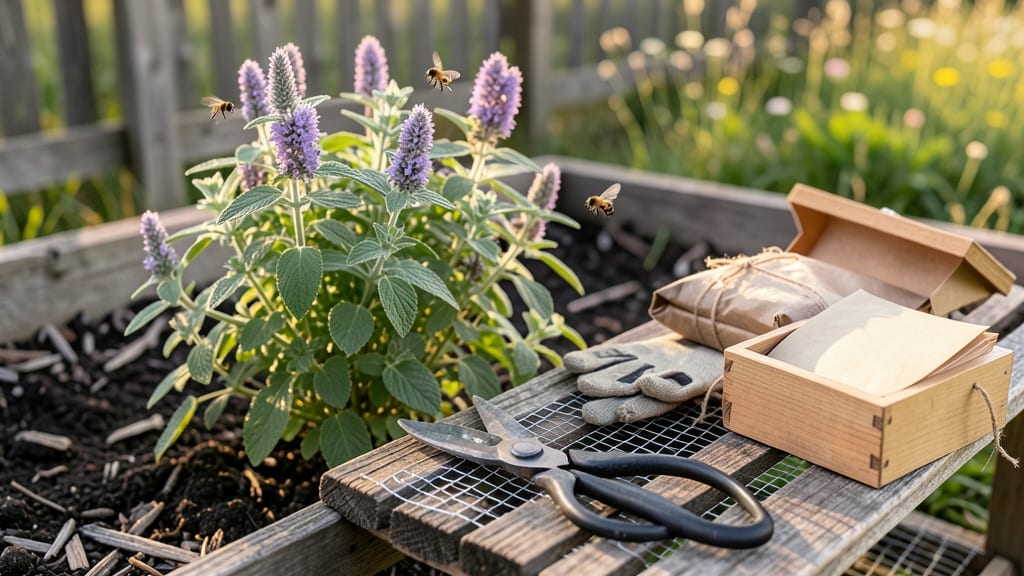
If you’ve ever wondered how to harvest catnip seeds 🐱 to grow stronger plants next year, timing is everything—and getting it wrong means wasted effort.
The difference between viable seeds and dust lies in knowing exactly when those flower heads are ready to collect, and how to handle them without losing their potency.
Most gardeners miss the critical window of late summer to early fall, when catnip’s seed pods turn brown and brittle. Harvest too early, and you’ll end up with immature seeds that won’t sprout.
Too late, and the pods shatter, scattering seeds you can’t save. I’ll show you the exact signs to look for—plus the simplest tools and methods to preserve those seeds for planting.
You don’t need fancy equipment to do this right. With just a few basic supplies and a little patience, you can collect, dry, and store catnip seeds that’ll give you a head start on next year’s garden.
Whether you’re saving seeds for replanting or sharing with fellow catnip lovers, this guide covers every step—from identifying ripe pods to testing viability before you even sow.
Ready to turn this year’s catnip into next year’s thriving plants? Let’s dive into the easiest, most effective way to harvest seeds without the guesswork. Your future garden—and your cats—will thank you.


When to harvest catnip seeds: optimal timing for maximum viability
Timing is everything when harvesting catnip seeds—collect them too early, and you’ll get low-quality seeds with poor germination rates. Aim for late summer to early fall, typically between August and September in most USDA zones.
This window ensures seeds have fully matured while avoiding frost damage that can ruin your harvest.
Look for brown, dried flower heads as your first clue. The seed pods should feel brittle and rattle when shaken, signaling maturity. If you see green pods or moist centers, wait a few more days—the seeds aren’t ready yet. Patience here means stronger plants next year.
Catnip flowers bloom in clusters, and not all heads mature at once. Harvest only the fully dried clusters to avoid mixing ripe and unripe seeds. This selective approach saves time and ensures you’re working with the best-quality seeds for replanting.
Another key sign is the yellowing leaves at the plant’s base. As the plant shifts energy to seed production, older leaves naturally die back. This is nature’s way of telling you it’s time to collect seeds before the plant goes dormant for winter.
If you miss the ideal window, don’t panic—catnip seeds can remain viable in the soil for 1-2 years. However, for the highest germination rates, harvest when 90% of pods are brown and dry. This balance maximizes your chances of growing robust catnip next season.
| Stage | Visual Cues | Action |
|---|---|---|
| Early Flowering | Green flower buds appear | Monitor plant closely |
| Mid-Flowering | White/purple flowers open | Wait for flowers to fade |
| Seed Maturity | Brown, brittle pods with rattling seeds | Harvest immediately |
Harvesting at the right time also prevents seed loss to birds. While catnip seeds aren’t a favorite for most birds, some wildlife may still take interest. Collecting seeds promptly ensures you capture the full yield before any potential losses occur.
For gardeners in warmer climates (zones 8-10), seeds may mature earlier—sometimes as early as July. Pay attention to local weather patterns and adjust your timeline accordingly. The goal is always to harvest before the first frost, which can damage both the plant and the seeds.
One common mistake is harvesting seeds after they’ve already split open. While this doesn’t ruin the seeds, it makes collection messy and increases the risk of losing seeds to wind or wildlife. Aim to harvest just before pods naturally open to keep things clean and efficient.
Pro tip: If you’re unsure whether seeds are ready, crush a single pod between your fingers. If the seeds inside are dark brown and dry, it’s time to harvest. If they’re still green or moist, wait another week. This quick test saves time and frustration later.
Understanding these cues ensures you’re always harvesting at peak quality, setting your garden up for success in the next growing season. With the right timing, you’ll enjoy healthier, more productive catnip plants year after year.
Step-by-step guide to collecting and storing catnip seeds
Harvesting catnip seeds at the right stage ensures high germination rates for next year’s plants. Start by gathering your tools: sharp scissors, paper bags, and a dry workspace. Work on a sunny day when humidity is low to prevent mold.
Cut the dried seed heads just above the stem using clean scissors. Avoid pulling or twisting, which can damage the plant. Place the seed heads in paper bags immediately to allow airflow while drying completely.
🌱 Step-by-Step Harvesting Process
- 1. Choose Dry Seed Heads – Select fully brown, brittle pods that rattle when shaken.
- 2. Cut with Scissors – Snip stems 1 inch below the seed head to avoid tearing.
- 3. Dry in Paper Bags – Hang bags upside-down in a warm, dry spot for 1–2 weeks.
- 4. Remove Seeds – Gently crush pods over a bowl to release seeds.
- 5. Store in Airtight Containers – Use glass jars with silica packets to maintain viability.
Once the seed heads are completely dry (about 1–2 weeks), place them in a bowl and gently crush the pods to release the seeds. Sift through the debris to collect only the small, brown seeds. Discard any green or shriveled seeds—they won’t sprout.
Store the seeds in a cool, dark place like a sealed glass jar with a silica gel packet to absorb moisture. Label the jar with the harvest year and test a few seeds annually to check viability.
If you notice mold or dampness during storage, transfer seeds to a new container immediately. Properly stored catnip seeds can remain viable for 2–3 years, but germination rates drop after the first year.
Pro tip: Plant a small batch of seeds each year to test freshness. If germination is low, try stratification—mix seeds with damp sand and refrigerate for 2 weeks before planting.