
Pests
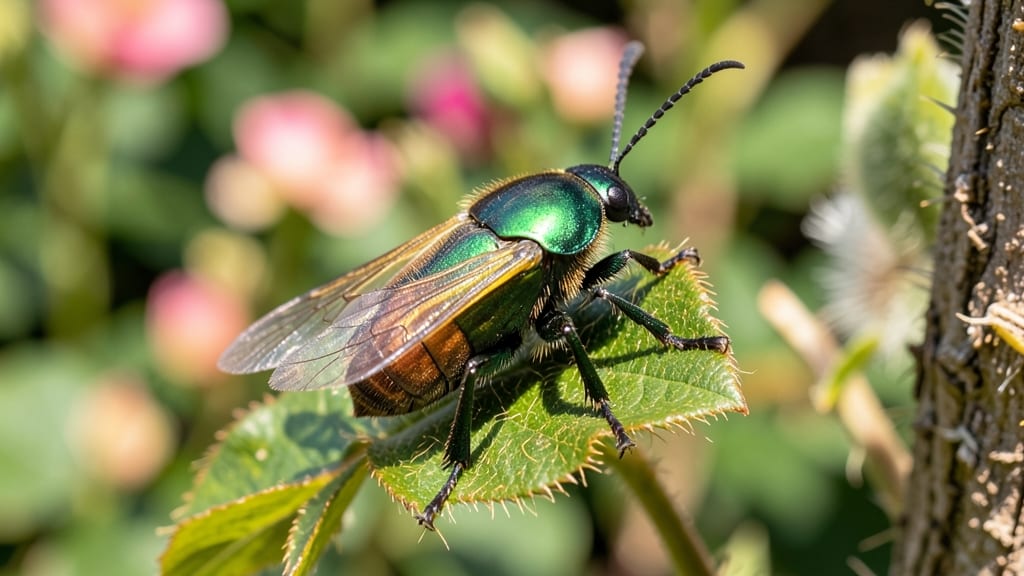
Japanese beetles are the garden's worst party crashers. 🌿 This simple trap—made from a plastic bottle and a few household items—has saved my roses, grapes, and veggies from skeletonized leaves and chewed blossoms. The best part? It’s non-toxic, cheap, and catches hundreds before they destroy your plants.
You’ll need just three things: a clean plastic bottle (like a 2-liter soda bottle), water, and either beer or a commercial Japanese beetle lure.
The beer trick works because beetles are drawn to fermenting sugars, but the trap’s real magic is in how it drowns them without harming beneficial insects. No fancy tools or expensive gear—just what you’ve got lying around.
In under 10 minutes, you’ll have a trap that starts working immediately. Place it near problem areas—beetles will fly in, get trapped, and drown. By morning, you’ll see the results: fewer beetles on your plants and more time enjoying your garden instead of battling them.
The key is placement and rotation—move traps every few days to keep them effective.
Pair this trap with handpicking (drop beetles in soapy water) and neem oil sprays for a three-pronged defense. It’s not just about catching beetles—it’s about protecting your garden’s future. Once you try this, you’ll never buy a commercial trap again.
📚 In This Guide
- What you need
- Instructions
- Tips and common mistakes
- Wrapping up and next steps
What you need
- ● 1 empty plastic bottle (16–20 oz, like a soda or water bottle). Pro tip: Choose one with a narrow neck for better beetle entry!
- ● 1 cup of water (tap or rainwater works—no fancy stuff needed 💧).
- ● 2–3 tbsp of beer (any type, but avoid wine or liquor—beetles are picky!).
- ● Scissors or a utility knife (for cutting the bottle). Safety first! Ask an adult for help if needed.
- ● Duct tape or strong packing tape (to secure cuts and seal edges).
- ○ Optional but helpful: Rags or paper towels (to soak up excess liquid and prevent spills).
- ● A permanent marker (to label your trap if you’re testing multiple setups!).
- ● Gloves (to keep hands clean while handling beetles—ewww, right?).
- ● 1–2 overripe apples, grapes, or peaches (cut into chunks and place them in the trap).
- ● A splash of apple cider vinegar (mix 1 tbsp into the beer for extra appeal).
Step-by-Step instructions for crafting an effective Japanese beetle trap
Here's how to build a trap that actually works—no more wasted buckets or ineffective setups.
🪴 Step 1: Gather the Right Materials
You'll need a 2-liter plastic bottle (the wider the mouth, the better), scissors, duct tape, and Japanese beetle attractant—either grapevine prunings or a commercial lure like Japanese beetle traps from garden centers. Avoid using beer or fruit—it attracts too many other pests and won't target beetles specifically. If you're using grapevine, cut 4-6 inch fresh prunings and let them sit in water for 24 hours before assembling the trap.
Pro tip: I like to use clear bottles so I can see the beetles inside without opening the trap. If you're using a commercial lure, follow the package instructions for preparation—most require soaking in water for 1-2 hours before use.
💧 Step 2: Assemble the Trap Bottle
Cut the bottle about 3 inches from the top of the neck, creating two pieces: the upper funnel and the lower container. The lower piece will hold your lure and collect beetles, while the upper piece becomes the funnel. Use scissors to smooth any jagged edges—sharp plastic can injure the beetles or make the trap less effective.
Invert the upper funnel and secure it tightly to the lower container using duct tape around the rim. This creates a one-way entry system: beetles can fly in but can't escape. Place your prepared lure (either grapevine prunings or commercial attractant) into the lower container, ensuring it's submerged in about 1 inch of water. The water prevents beetles from crawling out once they land.
☀️ Step 3: Position the Trap Strategically
Set the trap in early morning when Japanese beetles are most active, ideally near host plants like roses, grapes, or linden trees. Place it at waist height or slightly lower—beetles are drawn to traps at this level. Avoid placing traps in direct sunlight, as the plastic can get too hot and deter beetles. Instead, position it in partial shade where it stays cool but visible.
Check the trap every 2-3 days and empty the beetles into a bucket of soapy water to kill them. Refill the water in the trap and replace the lure if it starts to dry out or lose potency. I like to mark the date on the bottle with a marker so I remember when to refresh the lure.
✂️ Step 4: Maintain and Optimize the Trap
Replace the lure every 7-10 days or sooner if it begins to decompose or dry out. Fresh lure is critical—stale attractants won't draw beetles. If you notice fewer beetles after a week, move the trap to a new location or add a few extra grapevine prunings for a stronger scent. Avoid overcrowding the trap; if it's filled with beetles, empty it immediately to prevent escapes.
For best results, use multiple traps in your garden. I place 4 traps around my property—one near roses, one near grapes, and two in general garden areas. This maximizes coverage and reduces the beetle population faster. If you're dealing with a severe infestation, consider adding neem oil sprays to your roses and other vulnerable plants as a secondary defense.
⏰ Step 5: Monitor and Adjust for Seasonal Changes
Japanese beetles are most active from late June through August, so focus your trapping efforts during these months. Once temperatures drop below 70°F, beetles become less active and may seek shelter. Remove traps in late September or when you notice beetles disappearing from the garden. Store unused lures in a cool, dry place for next season.
If you see fewer than 5 beetles per trap per week, it may indicate a low beetle population or poor trap placement. Try moving traps closer to flowering plants or adding a few extra prunings for a stronger attractant. Keep records of beetle activity—this helps you predict and prepare for next year's infestation.
Tips & tricks for perfect Japanese beetle traps
These simple adjustments will turn your basic trap into a beetle-catching powerhouse—no more wasted effort or empty bottles.
Lure Preparation is Everything: The 24-hour soak for grapevine prunings isn't just about softening—it releases the full spectrum of volatile compounds that attract Japanese beetles. I've found that cutting the prunings into 2-inch pieces instead of 4-6 inches creates more surface area for scent release. For commercial lures, follow the package instructions precisely—the 1-2 hour soak is non-negotiable for maximum effectiveness.
Funnel Design Matters: When cutting your 2-liter bottle about 3 inches from the top, make the funnel slightly wider than the bottle's opening. This creates a "trap door" effect where beetles can enter but struggle to find the exit. I also recommend using a permanent marker to draw small arrows inside the funnel pointing downward—this subtle visual cue helps guide beetles toward the water below.
Water Depth Strategy: The 1-inch water depth in Step 2 serves two purposes: it drowns beetles that land and creates a reflective surface that may mimic the scent trail of other beetles. However, if you're dealing with a severe infestation, consider adding a drop of dish soap to the water—it reduces surface tension, making it even harder for beetles to escape once submerged.
Seasonal Timing Optimization: While Japanese beetles are most active from late June through August, I've noticed that traps placed in early June (when scout beetles first emerge) can catch early arrivals. The key is to monitor your traps weekly and adjust placement based on where you're seeing the most activity. If temperatures drop below 70°F during the day, beetles become less active—this is when you should either move traps to sunnier locations or bring them indoors overnight.
Pro Tips for Make A Japanese Beetle Trap
- These simple adjustments will turn your basic trap into a beetle-catching powerhouse—no more wasted effort or empty b...
- Lure Preparation is Everything: The 24-hour soak for grapevine prunings isn't just about softening—it releases the fu...
- Funnel Design Matters: When cutting your 2-liter bottle about 3 inches from the top, make the funnel slightly wider t...
Frequently asked questions
about Japanese beetle traps—because even the best DIY solutions come with questions! Here’s what you need to know before setting up your beetle-busting system.When is the best time to set out my Japanese beetle trap?
The ideal time is late June to early August—when adult beetles are most active and feasting on your plants. Set traps out before you spot them to catch early arrivals. Avoid placing traps too early (May/early June), as they may attract beetles to your yard instead of luring them away.
How often should I empty the trap?
Check your trap every 2–3 days during peak season (June–August). Overcrowding can cause beetles to escape or die inside the bottle, reducing effectiveness. Dump the catch in soapy water (to kill them) and reuse the bottle—no need to wash it unless it’s sticky or smells bad!
Will this trap harm my plants or beneficial insects?
Japanese beetle traps are targeted for beetles, but they can accidentally catch pollinators like bees or butterflies if placed near flowers. To minimize harm:
- Place traps at least 10–15 feet from flowering plants.
- Avoid using them near vegetable gardens (beetles are less active there).
- Opt for brown paper bags as an alternative—less attractive to beneficial insects.
What if my trap isn’t catching any beetles?
Try these fixes if your trap is a flop:
- Check the bait: Use fresh grape or apple slices (beetles love ripe fruit).
- Adjust placement: Hang traps 3–5 feet above ground in sunny areas.
- Increase quantity: Use 2–3 traps for large yards or severe infestations.
- Timing matters: Beetles are most active on warm, sunny days (80°F+).
Are there chemical-free alternatives to traps?
Try these non-toxic methods:
- Neem oil spray: Disrupts beetle feeding and reproduction (reapply weekly).
- Milky spore powder: A natural soil treatment that targets beetle grubs (takes 1–2 years to work).
- Handpicking: Drop beetles into a bucket of soapy water (early morning is best).
- Plant repellents: Marigolds, catnip, or garlic can deter beetles when planted nearby.
Wrapping up and next steps
You’ve now got everything you need to take control of those pesky Japanese beetles! With just a few household items and a little patience, you can create an effective, eco-friendly trap that saves your garden—without harsh chemicals. 🌿✨
Ready to see the difference? Start by setting up your trap in areas where beetles are most active, like near flowers or fruit trees. Check and refresh the bait every few days, and watch your garden thrive beetle-free! Happy trapping!