Planting
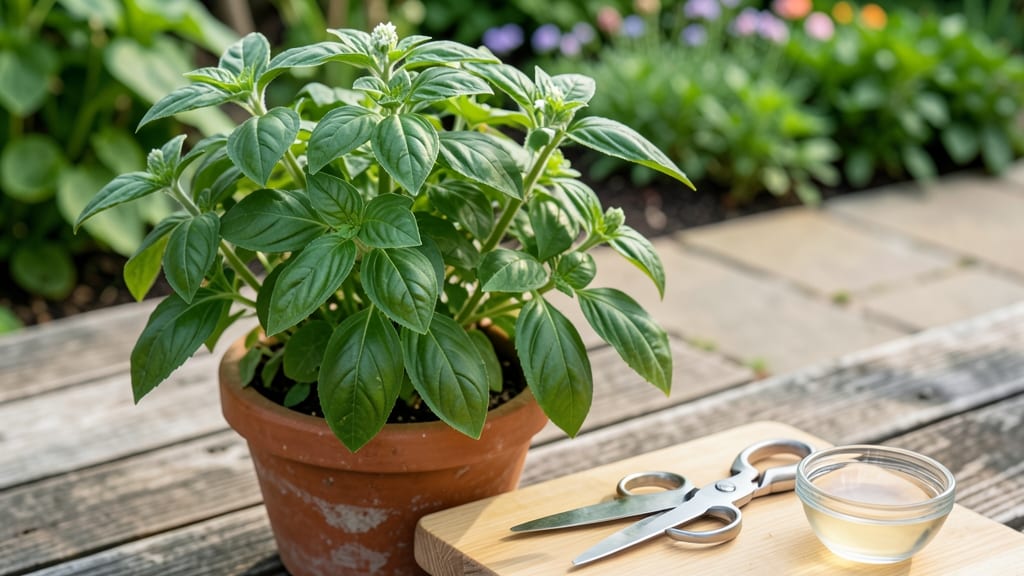
How to cut fresh basil off a plant the right way turns a single plant into a never-ending harvest. ✂️ I used to pinch off leaves randomly—until my basil turned leggy and sparse. The secret is selective pruning that encourages bushier growth while keeping your plant healthy.
Start by harvesting stems just above a leaf node (where leaves meet the stem) using clean scissors or your fingers. Avoid cutting too close to the base—this prevents disease and encourages new growth. For mature plants, aim to remove one-third of the plant at a time to avoid stressing it.
You’ll notice new side shoots forming within 10-14 days, and with regular pruning, your basil stays compact and productive for months. The key is consistency: harvest every 2-3 weeks during growing season, and your plant will reward you with lush, fragrant leaves.
Pro tip: Never harvest more than one-third at once, and always use clean tools to prevent bacterial spread. This method works for both potted basil and garden plants—just adjust the frequency based on your plant’s growth speed.
📚 In This Guide
- What you need
- Instructions
- Tips and common mistakes
- Wrapping up and next steps
What you need
- ● Sharp pruning shears or clean scissors – Choose sterilized, sharp tools (preferably with a 4-6 inch blade) to avoid damaging the plant or spreading disease.
- ● Basil plant (healthy and mature) – Ensure it’s at least 6-8 inches tall with 4-6 true leaves before pruning.
- ● Watering can or spray bottle – For post-pruning hydration (1-2 cups of water should suffice).
- ● Small bowl or container – To collect freshly cut basil leaves for cooking or storage.
- ● Gloves (gardening or nitrile) – To protect your hands from sap or dirt.
- ● Rubbing alcohol (70% or higher) – For sterilizing tools before and after pruning.
- ● Plant food or liquid fertilizer – To give your basil a nutrient boost after trimming.
- ● Plastic bag or airtight container – For storing harvested basil in the fridge (wrap leaves in a paper towel first!).
Step-by-Step instructions for pruning basil like a pro
Here's how I transform leggy basil into a lush, productive bush—no guesswork involved.
✂️ Step 1: Identify the Right Stems to Prune
Wait until your basil has at least 6-8 inches of growth and 4-6 true leaves per stem. The top two sets of leaves are your pruning zones—cut just above a set of leaves where new growth will emerge. I always look for stems that are at least pencil-thick; thinner stems won't regenerate as vigorously.
Never cut into the woody base of the plant. Basil produces new branches from leaf nodes, so always prune above a leaf node where you see small buds forming. This ensures the plant knows exactly where to send new energy. If you're unsure, count leaves from the bottom—prune just above the third or fourth leaf pair from the top.
✂️ Step 2: Make Clean Cuts with Sharp Pruners
Use clean, sharp pruning shears or scissors to make cuts at a 45-degree angle, about ¼ inch above the leaf node. This angled cut prevents water from pooling on the stem, which can cause rot. I like to sterilize my shears with rubbing alcohol between cuts to prevent spreading any potential diseases.
Don't rip or tear stems—this creates jagged edges that invite infection. If you're harvesting leaves rather than pruning for bushiness, pinch off individual leaves rather than cutting stems. The key difference is that pruning stems encourages branching, while leaf harvesting keeps the plant's shape intact.
🌿 Step 3: Encourage New Growth with Strategic Pruning
After your first pruning, you'll notice new side shoots emerging within 7-10 days. These are your plant's way of saying, "I've got this!" To maximize bushiness, repeat the process on the new stems once they reach 4-6 inches tall. I prune about ⅓ of the plant's total growth each time—this keeps it productive without overstressing it.
Here's the thing—if you see your basil flowering, it's time to act fast. Pinch off any flower buds immediately. Basil puts all its energy into flowering, which means fewer leaves for you. The plant will reward you with more tender leaves if you keep it in a vegetative state.
💧 Step 4: Support Recovery with Proper Aftercare
Water the plant deeply within 24 hours of pruning to help it recover. Basil has shallow roots, so I use a watering can with a narrow spout to direct moisture right to the base. Avoid wetting the leaves—this can lead to fungal issues. The soil should feel moist but not soggy an inch below the surface.
Move your basil to a spot with bright, indirect light for a few days after pruning. Direct sun can stress newly cut stems, and the plant needs time to redirect energy to new growth. You'll see fresh, vibrant leaves emerging from the nodes within 10-14 days—that's your signal everything is working.
⏰ Step 5: Maintain the Cycle for Continuous Harvests
Once your basil establishes a bushy shape, you can enter a regular pruning cycle. Every 4-6 weeks, trim back the longest stems to maintain shape and encourage new growth. I like to harvest leaves regularly too—just pinch off the top sets of leaves, leaving at least 2-3 pairs of leaves on each stem to keep photosynthesis going.
Real talk: If you see yellowing leaves, don't panic—it usually means the plant is overwatered or needs more light. Basil is resilient, but it won't forgive neglect. With consistent pruning, you'll have a continuous supply of fresh basil all season long, and the flavor will be sweeter because you're encouraging new growth.
Tips & tricks for pruning basil like a pro
These pruning secrets will help you transform your leggy basil into a thriving, leaf-producing machine—without the guesswork.
Leaf Node Location: In Step 1, when identifying where to cut, look for the tiny buds between leaves—these are the growth points. Pruning just above them (about ¼ inch) encourages new branches to sprout from these exact spots. I always count leaves from the bottom to avoid cutting too low; the third or fourth leaf pair from the top is your sweet spot for maximum regrowth.
Tool Sanitation: The sharp pruning shears in Step 2 aren't just about clean cuts—they're about plant health. After each cut, I wipe my shears with rubbing alcohol to prevent bacterial transfer between stems. This simple step keeps your basil free from diseases that can spread through contaminated tools. Don't skip this, even if the shears look clean!
Pruning Rhythm: In Step 5, when maintaining your pruning cycle, I recommend sticking to the 4-6 week schedule—but only if you're seeing consistent growth. If your basil seems stressed (yellowing leaves, slow regrowth), extend the cycle to 6-8 weeks. The key is to never remove more than ⅓ of the plant's total growth in one session, or you'll shock the system.
Flower Bud Intervention: That little warning in Step 3 about flowering is critical. When you see buds forming, pinch them off immediately—they drain energy from leaf production. I've seen basil plants go from lush green to flowering in just 5 days, so check weekly during peak growing season. The sooner you act, the more tender leaves you'll get.
Pro Tips for Cut Fresh Basil Off Plant
- These pruning secrets will help you transform your leggy basil into a thriving, leaf-producing machine—without the guesswork.
- Leaf Node Location: In Step 1, when identifying where to cut, look for the tiny buds between leaves—these are the growth points.
- Tool Sanitation: The sharp pruning shears in Step 2 aren't just about clean cuts—they're about plant health.
Frequently asked questions
Got questions about harvesting basil like a pro?
Here are the most common ones—and their simple solutions to keep your plant thriving.
How often should I cut basil?
Harvest basil every 2–3 weeks during the growing season (spring to fall) to encourage bushier growth. For container-grown basil, you can pinch off leaves weekly if needed—just avoid taking more than 1/3 of the plant at once to prevent stress.
What’s the best time of day to harvest?
Morning is ideal! Harvest in the early morning when leaves are hydrated and packed with flavor. Avoid cutting after a heavy rain or late in the day, as leaves may wilt faster. Pro tip: Use sharp scissors or pruners to avoid crushing stems.
Can I cut basil stems with my fingers?
Yes, but use clean fingers or small pruners to avoid damaging the plant. For larger stems, scissors work best. If you pinch leaves by hand, do it just above a leaf node (where new growth appears) to promote branching.
Why does my basil turn yellow after cutting?
Yellowing can happen if you’re over-harvesting or cutting too close to the stem’s base. Always leave at least 2–3 sets of leaves per stem. Also, ensure your basil gets 6+ hours of sunlight daily and well-draining soil. If the issue persists, check for pests or root rot.
What if my basil plant is too small to cut?
Wait until the plant has 6–8 true leaves (not just the initial seed leaves). For tiny seedlings, gently pinch off the top set of leaves to encourage bushier growth. Avoid cutting stems shorter than 4–6 inches—patience pays off!
Wrapping up and next steps
Cutting fresh basil from your plant isn’t just about harvesting—it’s about revitalizing growth and ensuring a bountiful harvest.
With the right technique, you’ll enjoy plump leaves and a thriving plant all season long! 🌿 Now that you’re armed with pruning secrets, grab those shears and get started—your kitchen (and basil plant) will thank you.
For extra success, experiment with recipes using your fresh basil—think pesto, salads, or even infused oils. Happy gardening!