
Propagation
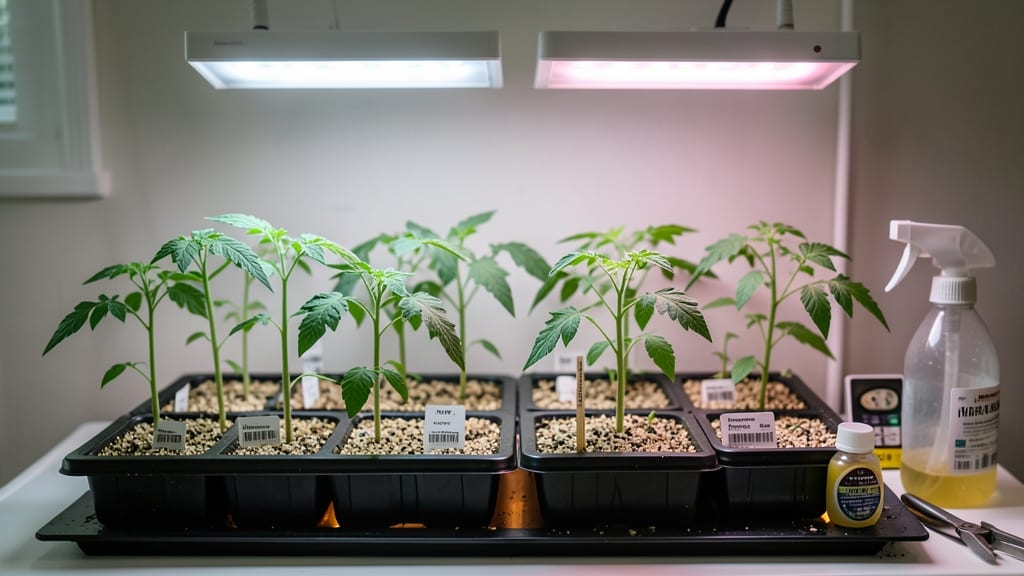
How to keep tomato seedlings from getting leggy—it’s about saving time and growing strong plants. ✨ I’ve salvaged dozens of stretched-out seedlings by fixing just two things: light and spacing. The good news? It’s easier than you think—and you can prevent this mess entirely with simple adjustments.
Most leggy seedlings happen from too little light or overcrowding. Seedlings stretch toward any available light source, and when they don’t get enough, they grow tall and weak. Even a sunny windowsill isn’t always bright enough—grow lights or moving trays to follow the sun makes a huge difference.
Proper spacing (2–3 inches apart) also helps by preventing competition for light and air circulation.
For existing leggy seedlings, bury them deeper when transplanting—up to the first true leaves—to encourage stronger root growth. A quick fix is also to snip the seedlings just above a leaf node, which triggers bushier growth. Within a week, you’ll see compact, sturdy plants ready to thrive in your garden.
This works for any tomato variety, from cherry to heirloom, and saves you from starting over. No more sad, weak seedlings—just strong, productive plants that actually grow into tomatoes. Let’s get those seedlings standing tall!
The Hidden Triggers Behind Leggy Seedlings
Leggy tomato seedlings—those tall, spindly, and weak-looking plants—aren’t just a cosmetic issue. They’re a sign of stress, and understanding the science behind it is the first step to fixing it. When seedlings stretch too much, they’re essentially starving for light, nutrients, or stability, triggering a survival response.
Let’s break down the key culprits and why they push your seedlings to grow this way.
Tomato seedlings are phototropic, meaning they grow toward light sources. When they don’t get enough, they stretch aggressively to reach it—a process called etiolation. Here’s how it works:
- Chlorophyll production drops: Without adequate light, seedlings can’t photosynthesize efficiently, leading to pale, weak stems.
- Cell elongation speeds up: In low-light conditions, the hormone auxin accumulates in the stem, triggering rapid but weak growth.
- Energy diversion: Instead of growing sturdy roots or leaves, the plant funnels resources into vertical escape, making stems thin and prone to snapping.
Fun fact: A leggy seedling can grow up to 50% taller in just a few days if deprived of light, but its structural integrity plummets. Think of it like a skyscraper built on quicksand—impressive height, but ready to collapse.
Tomatoes are warm-season plants, and their growth patterns are deeply tied to temperature. When conditions swing too hot or too cold, seedlings react in predictable (and problematic) ways:
- Excessive heat (above 85°F/29°C):
- Speeds up respiration, forcing seedlings to burn through energy reserves faster than they can replenish them.
- Disrupts auxin transport, leading to uneven, stretched growth.
- Cool nights (below 50°F/10°C):
- Slows photosynthesis, starving the plant of the energy needed for compact growth.
- Triggers ethylene production, a hormone that can promote elongation in response to stress.
Pro tip: Ideal seedling temps hover around 70–75°F (21–24°C) during the day and 60–65°F (15–18°C) at night. Anything outside this range can tip the balance toward legginess.
Seedlings need a precise nutrient cocktail to grow strong. Get it wrong, and they’ll compensate by stretching—often in ways that weaken them:
- Over-fertilization (especially nitrogen):
- Leads to luxuriant leafy growth but weak stems because the plant prioritizes foliage over structural support.
- Can burn roots, reducing water and nutrient uptake, which triggers a stress response (more stretching).
- Phosphorus or potassium deficiency:
- Phosphorus helps root development and energy transfer; without it, seedlings can’t support upright growth.
- Potassium regulates water balance and enzyme activity. A lack of it makes stems floppy and prone to snapping.
- Overcrowding or poor air circulation:
- Competition for nutrients forces seedlings to grow taller for sunlight, even if they’re nutrient-starved.
- Humidity buildup (from poor airflow) can lead to fungal stress, which further weakens stems.
Key takeaway: A balanced seedling-specific fertilizer (low in nitrogen, higher in phosphorus) is your best bet. Think of it like a protein shake for plants—too much of the wrong stuff, and they’ll get top-heavy and wobbly.
Some tomato varieties are genetically predisposed to leggy growth, especially if they’re bred for indeterminate vines (which naturally grow tall). However, even within the same variety, growing conditions can amplify this trait:
- Indeterminate vs. determinate:
- Indeterminate tomatoes (e.g., Brandywine, Cherry Roma) will always grow taller unless pruned or supported.
- Determinate varieties (e.g., Roma, Bush Early Girl) stay compact but can still stretch if stressed.
- Seedling age and light exposure history:
- Seedlings that germinate in darkness (like those started in a drawer) often have a built-in growth spurt once exposed to light.
- If they’ve been under artificial lights too long (e.g., LED grow lights too far away), they may not develop the sturdiness of those grown under natural sunlight.
Actionable insight: If you’re growing heirlooms or indeterminate varieties, start them in a sunny windowsill or under strong grow lights from day one to train them to grow stocky, not stretchy.
Now that you know why seedlings go leggy, the next step is how to fix it. The good news? Most of these issues are reversible with a few simple adjustments. Stay tuned for our actionable solutions!
Fixing leggy seedlings fast
Now that you know the why behind leggy tomato seedlings, let’s tackle the how—with practical, no-fuss fixes tailored to each root cause. Whether your seedlings are stretching for the light or struggling with weak stems, these solutions will help you revive and strengthen them before transplanting.
And don’t worry—prevention tips are woven in so you can avoid future woes!
Problem: Seedlings stretch and thin because they’re desperate for sunlight, leading to weak stems that snap easily.
Solution:
- 🔥 Move Them Closer to Light (Immediately!) Place seedlings within 6 inches of a grow light (LED or fluorescent) or south-facing window where they get 14–16 hours of light daily. If using natural light, rotate trays daily so all sides grow evenly.
- 🌞 Supplement with a Grow Light (If Needed) If your seedlings are already leggy, increase light intensity—aim for 2,000–3,000 lux (use a light meter or hold a hand ~6 inches under the bulb; if you can’t see your hand clearly, it’s too dim).
Hang lights 2–3 inches above seedlings (closer than you think!) and adjust as they grow.
- 💡 Pro Tip: Use reflective surfaces (like aluminum foil on tray sides) to bounce light and maximize coverage.
Problem: Warmth (especially at night) speeds up vertical growth while weakening stems.
Solution:
- 🌡️ Cool It Down (Literally) Ideal daytime temps: 70–75°F. Nighttime temps should drop to 55–60°F to slow stretching. If your seedlings are in a warm room (like above 80°F), move them to a cooler spot (a basement, garage, or shaded porch) or use a small fan to create airflow and mimic outdoor conditions.
- ❄️ Chill Out (Temporarily) For severely leggy seedlings, place them in a refrigerator (not freezer!) for 12–24 hours at 40–50°F. This shocks them into stockier growth—just don’t leave them too long, or they’ll get stressed.
Problem: Over-fertilizing (especially with nitrogen) fuels rapid, weak growth instead of sturdy development.
Solution:
- 📊 Use a Balanced, Diluted Fertilizer Wait until seedlings have 1–2 true leaves before fertilizing. Use a half-strength liquid fertilizer (like 5-5-5 or 10-10-10) every 2–3 weeks. Avoid high-nitrogen formulas—they encourage leafy (but leggy) growth.
- 🥗 Boost Calcium & Potassium Add a pinch of Epsom salt (magnesium sulfate) or crushed eggshells (calcium) to the soil to strengthen stems. A seaweed extract (like MaxSea) can also improve resilience.
- 💡 Pro Tip: If seedlings are already leggy, flush the soil with water to remove excess salts before fertilizing again.
Problem: Weak stems can’t support the plant’s weight, leading to collapse.
Solution:
- 👨🍳 The "Burrito Method" (Emergency Fix) Gently fold the leggy stem at a 45-degree angle and bury it deeper in the soil (up to the first set of leaves). This encourages new roots to form along the stem, creating a stronger base. Water well to help the soil settle.
- 🌱 Use a Support System If seedlings are already too tall to bury, insert toothpicks or small stakes beside them and tie stems loosely with a twist tie or cloth strip. Avoid cutting—this stresses the plant.
Problem: Leggy seedlings struggle to adapt to outdoor conditions if not acclimated properly.
Solution:
- 🌿 Gradual Outdoor Exposure Start hardening off seedlings 1–2 weeks before transplanting by placing them outside in partial shade for 1–2 hours daily, increasing time by 1 hour every 2 days. Use a cloche or shade cloth on sunny days to prevent shock.
- 🌞 Full Sun Prep In the final 3–5 days, move seedlings to direct sunlight for 4–6 hours (but watch for wilting—water deeply if needed). This toughens stems and reduces transplant shock.
Now that you’ve rescued your current batch, lock in these habits for stronger starts next time:
- ✅ Start seeds in a sunny spot (or under lights) from day one.
- ✅ Use seedling heat mats (if needed) to keep soil warm but avoid overheating.
- ✅ Choose compact varieties (like ‘Tiny Tim’ or ‘Patio’) if space is limited.
- ✅ Thin seedlings early to reduce competition for light.
- ✅ Rotate trays daily to ensure even growth.
Remember: Leggy seedlings aren’t a death sentence—they’re just crying out for better conditions. With these fixes, you’ll have stocky, vibrant plants ready for the garden in no time! 🚀
Frequently asked questions
Why do my tomato seedlings grow tall and thin instead of sturdy?
Leggy seedlings happen when they're starved for light or warmth. Without enough sunlight (or proper grow lights), seedlings stretch toward any available light source—a survival response called etiolation. Warmth above 75°F during the day or too-cool nights (below 50°F) also trigger this rapid, weak growth. Think of it as your plants reaching for help!
Can I still save leggy seedlings, or should I start over?
You can absolutely save them! Bury the stems deeper when transplanting (up to the first leaves) to encourage new root growth. For extreme cases, prune just above a leaf node to trigger bushier growth. Avoid cutting too much—this stresses the plant. With proper light and support, leggy seedlings often recover within 1-2 weeks.
What's the best light setup for preventing leggy seedlings?
Use a grow light (LED or fluorescent) placed 2-3 inches above seedlings for 14-16 hours daily. For natural light, position trays on a south-facing windowsill and rotate daily. If using windows, check if you can see your hand clearly 6 inches away—if not, supplement with artificial light immediately.
How close together can I plant seedlings without causing legginess?
Space seedlings 2-3 inches apart in trays to prevent overcrowding. When transplanting, give them 18-24 inches of space (for indeterminate varieties) or 12-18 inches (for determinate). Crowding forces plants to compete for light, triggering that leggy growth pattern. Thin early to avoid this competition!
Will leggy seedlings still produce tomatoes if I fix them?
Yes! Once you address the root causes (light, temperature, spacing), leggy seedlings will recover and produce just as many tomatoes. The key is giving them proper support during recovery. Some varieties (especially indeterminate types) may need trellises, but with care, they'll grow strong and fruitful. Just be patient—it may take a few weeks for them to catch up.