
Aphids
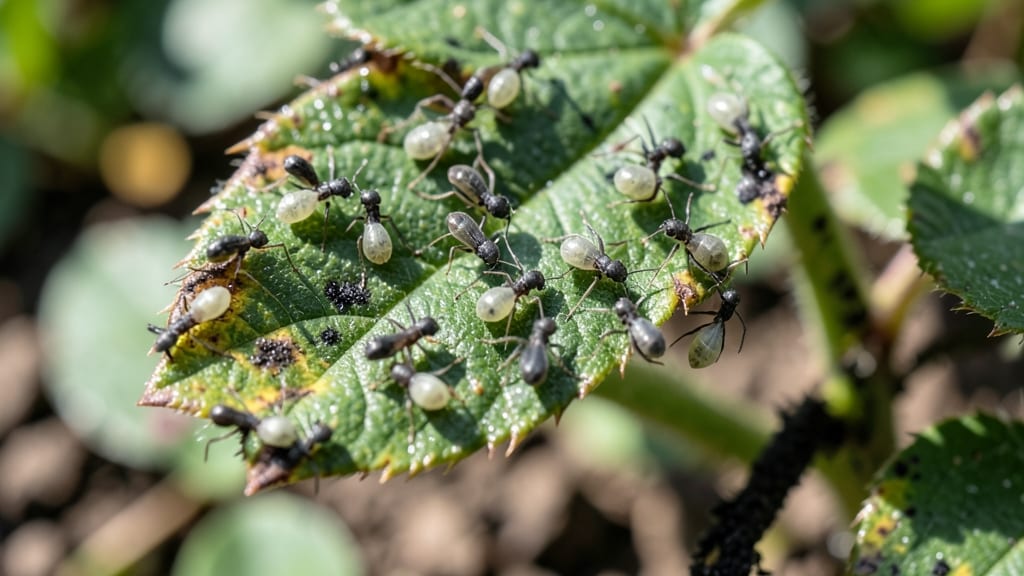
How to get rid of aphids on outdoor plants—those tiny green invaders suck the life out of your plants faster than you can say "disaster." 🌱 I’ve battled aphids for years—until I discovered this soapy water spray that clears them in minutes without harming your garden. No harsh chemicals, no waiting weeks for results. The secret? A mild dish soap solution (1 tsp per quart of water) sprayed directly on infested areas. Aphids hate the soap’s slick texture and dissolve on contact. Reapply every 3-4 days until they vanish—usually within a week. It’s cheap, fast, and works on roses, tomatoes, and even houseplants outside. What you’ll end up with is lush, aphid-free foliage that recovers quickly. The plants stop wilting, new growth appears, and beneficial insects return. Best of all? Ladybugs and lacewings love the aftermath and start patrolling your garden naturally. Works in any outdoor space, from container gardens to full-sized beds. Here’s the exact mix and application steps—no guesswork needed.
Root Causes of Aphid Infestations
Aphids may seem like tiny, harmless pests, but they thrive due to a mix of environmental, plant-related, and even human factors. Understanding why they appear on your outdoor plants is the first step to preventing and controlling them effectively.
Let’s break down the real reasons these sap-sucking insects become a nuisance.
Aphids are opportunistic feeders—they target plants that are already struggling. When a plant is weak, its defenses drop, making it an easy meal. Here’s why this happens:
- Nutrient Deficiencies: Plants lacking nitrogen, phosphorus, or potassium produce weaker sap, which aphids find more palatable. A quick soil test can reveal imbalances.
- Overwatering or Drought Stress: Both extremes weaken plants. Overwatering rots roots, while drought causes wilting—both signals to aphids that the plant is vulnerable.
- Poor Air Circulation: Dense foliage or crowded plants create humid microclimates, which aphids love. Stagnant air also slows down natural predators like ladybugs.
- New Growth or Soft Stems: Aphids prefer tender, new shoots because they’re easier to penetrate. Prune regularly to remove potential hotspots.
Pro Tip: 💡 Healthy plants are your best defense. Use balanced fertilizer, mulch to retain moisture, and prune to improve airflow.
Aphids are cold-blooded insects, meaning their activity levels spike when temperatures and humidity align with their preferences. Here’s how climate plays a role:
| Factor | Why Aphids Love It |
|---|---|
| 🌡️ Mild to Warm Temperatures (50–80°F) | They reproduce rapidly in this range—some species can multiply every 7–10 days without predators. |
| ☁️ High Humidity (60%+) | Moisture keeps their bodies hydrated and slows down natural enemies like lacewings. |
| 🌧️ Light Rain or Dew | Washes away predators (e.g., ladybugs) but leaves aphids unharmed—their waxy coating protects them. |
| 🌿 Shaded or Sheltered Areas | Less sunlight = slower growth of natural predators, giving aphids a head start. |
Pro Tip: ✨ Monitor your garden’s microclimates. If aphids are persistent in one spot, consider relocating plants to sunnier or windier areas.
Aphids are a food source for many beneficial insects, but when these predators disappear, aphid populations explode. Here’s why their enemies vanish:
- Pesticide Overuse: Broad-spectrum insecticides kill aphids and their predators (like ladybugs, lacewings, and parasitic wasps), creating a vacuum aphids rush to fill.
- Monoculture Gardening: Planting large blocks of the same species (e.g., roses or tomatoes) removes habitat diversity, reducing predator populations.
- Seasonal Shifts: Some predators (like hoverflies) emerge later in the season, leaving early-season plants vulnerable.
- Urbanization: Paved surfaces and lack of wildflowers reduce food sources for predator insects, weakening their numbers.
Pro Tip: 🌸 Encourage biodiversity. Plant flowers like dill, fennel, and marigolds to attract aphid-eating insects year-round.
Sometimes, well-meaning gardening practices accidentally create aphid-friendly conditions. Here’s how:
- Over-Fertilizing with Nitrogen: Lush, soft growth is aphid catnip. Use a balanced fertilizer (e.g., 10-10-10) instead of heavy nitrogen.
- Ignoring Garden Hygiene: Debris, fallen leaves, and old plant matter harbor aphid eggs over winter. Clear out garden waste regularly.
- Bringing Infested Plants Home: New nursery plants or cuttings can introduce aphids. Quarantine new additions for a week and inspect thoroughly.
- Poor Watering Practices: Drip irrigation on leaves (instead of soil) creates damp conditions aphids adore. Water at the base whenever possible.
Pro Tip: 🚫 Avoid the "aphid buffet." Remove spent blooms, weeds, and debris to starve them out before they start.
Now that you know why aphids show up uninvited, the next step is actionable fixes—starting with the soapy water spray that works in minutes! 🚀
Quick Fixes for Aphid Infestations
Now that you know why aphids are crashing your garden party, let’s roll up our sleeves and kick them out for good—without resorting to harsh chemicals. Below, we’ve matched the most common causes of aphid outbreaks to easy, effective solutions that work fast.
Plus, we’ll share proven prevention tips to keep your plants aphid-free long-term.
Aphids love weak, crowded plants because they’re easier to feed on. Fix it by giving your greens a fighting chance.
🌱 Strengthen Your Plants Naturally
- Prune aggressively: Trim back overgrown branches and leaves to improve airflow.
Aphids thrive in dense foliage where they hide and multiply. ✂️ Pro Tip: Snip off heavily infested leaves and toss them in the trash (not compost)—aphids can reinfest your garden from there! - Fertilize wisely: Use a balanced, organic fertilizer (like compost tea or fish emulsion) to boost plant resilience.
Over-fertilizing with nitrogen can attract aphids, so follow package instructions. - Water at the base: Wet leaves create the perfect aphid buffet. Water plants early in the day at soil level to keep foliage dry.
🌿 Introduce Beneficial Buddies
Ladybugs, lacewings, and parasitic wasps are aphids’ natural enemies. Invite them to your garden:
- Buy ladybug larvae or lacewing eggs from garden centers and release them near infested plants.
- Plant companion flowers like alyssum, dill, or marigolds to attract these helpful insects.
- Avoid pesticides—even "natural" ones can harm these predators!
If aphids are already feasting, act fast with these low-toxicity sprays that work in minutes.
🧼 Homemade Soapy Spray (Best for Small Infestations)
Why it works: A mild soap solution disrupts aphids’ waxy coating, dehydrating them. It’s safe for most plants (test on a small area first).
🛒 Ingredients:
- 1 quart (32 oz) water
- 1 tbsp mild liquid castile soap (like Dr. Bronner’s) or dish soap (Dawn or Joy—no degreasers)
- 1 tsp neem oil (optional, for extra power)
👨🍳 Steps:
- Mix ingredients in a spray bottle.
- Shake well before each use (soap separates).
- Spray directly on aphids (both tops and undersides of leaves) until leaves glisten.
- Reapply every 2–3 days until aphids disappear (usually 5–7 days).
⚠️ Warning: Avoid spraying in direct sunlight (can burn leaves) or on delicate plants like roses (use neem oil instead).
🕸️ Sticky Traps for Heavy Infestations
If aphids are swarming, intercept them before they land:
- Hang yellow sticky traps near plants (aphids are attracted to yellow).
- Place traps above the plant canopy to catch winged adults.
- Check traps daily and dispose of them in soapy water.
For severe outbreaks, a targeted water blast can dislodge aphids immediately.
🔥 Hot Water Spray (For Tough Cases)
- Fill a spray bottle with hot (not boiling) water (just warm to the touch).
- Add 1 tsp dish soap per quart of water.
- Spray aphids directly—they’ll drop off within minutes.
- Best for: Perennials, herbs, and hearty annuals (avoid tender plants).
💦 Hose-Off Method (Gentler Alternative)
- Use a strong stream of water from your hose to blast aphids off leaves.
- Do this early in the day so plants dry quickly (prevents fungal issues).
- Repeat every 2–3 days until aphids are gone.
An ounce of prevention is worth a pound of aphid cure! Follow these habits to deter future invasions:
🌱 Plant Smart
- Choose resistant varieties: Some plants (like aphid-resistant roses or pepper varieties) naturally repel aphids.
- Space plants properly: Crowded gardens = aphid paradise.
Follow plant spacing guidelines for airflow. - Rotate crops: If you grow veggies, switch their location yearly to disrupt aphid life cycles.
🌿 Natural Repellents
- Garlic or chili spray: Blend 1 garlic bulb + 1 tbsp cayenne pepper in a quart of water.
Strain and spray on leaves (aphids hate the smell!). - Crushed herbs: Rub mint, basil, or lavender leaves on plant stems to deter aphids. - Diatomaceous earth (DE): Sprinkle food-grade DE around plant bases (it’s a natural abrasive that kills aphids on contact). ⚠️ Reapply after rain.
🕵️ Monitor Regularly
- Inspect new plants before bringing them home (aphids often hitchhike on nursery plants).
- Check undersides of leaves weekly—aphids love hiding there!
- Remove debris: Fallen leaves and plant waste harbor aphid eggs. Clean up regularly.
Final Thought: Aphids may be tiny, but they’re no match for a healthy plant + a few smart tricks. Start with soapy water or beneficial insects, then layer in prevention.
Before you know it, your garden will be aphid-free and thriving—without a single chemical in sight! 🌿✨
Frequently asked questions
Why do aphids keep coming back after I treat them?
Aphids often return because their eggs survive on plant stems and soil. They also spread quickly when beneficial predators (like ladybugs) are absent. Always treat undersides of leaves, remove heavily infested growth, and introduce natural predators to break their life cycle.
Is dish soap really safe for my plants?
Yes, but use mild dish soap (like Dawn or Joy) in small amounts—1 tablespoon per quart of water max. Test on a small leaf first, as some plants (like roses) may react. Avoid degreasers or heavy-duty soaps, which can damage foliage. Rinse plants after 24 hours if needed.
How do I know if my plants are recovering from aphids?
Watch for new growth at the tips of stems and brighter green leaves. If aphids are gone, you’ll also see fewer sticky residue spots (honeydew) on leaves. Plants typically bounce back within 1-2 weeks of consistent treatment, but severe damage may take longer to heal.
Can I use neem oil on edible plants like tomatoes?
Yes, neem oil is safe for edible plants when used correctly! Apply it in the evening to avoid harming bees, and wait 24 hours before harvesting. Mix 1 teaspoon per quart of water with a drop of mild soap as an emulsifier. It’s effective but works slower than soapy water.
What’s the fastest way to stop aphids from spreading to other plants?
Isolate infested plants immediately and use yellow sticky traps nearby to catch flying adults. Spray affected plants with soapy water, then clean tools with rubbing alcohol. Check surrounding plants daily—aphids multiply quickly, so early action prevents garden-wide outbreaks.