
Pests
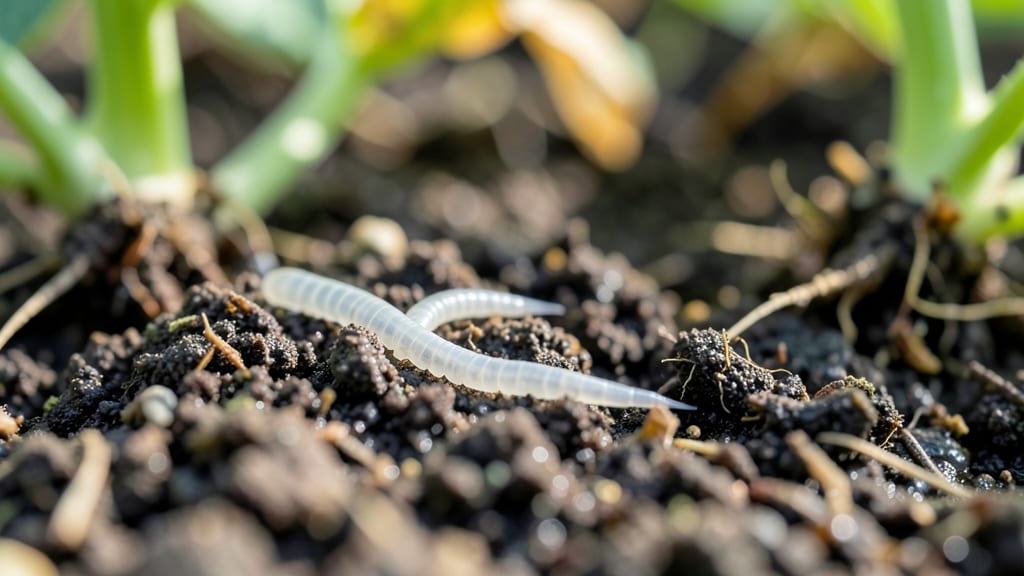
How to get rid of grubs in your vegetable garden naturally—those pesky white, C-shaped larvae—means no more chewed roots or wilting plants. 🌱 I’ve lost entire rows of carrots and potatoes to them, and I’m here to say you can stop them without harsh chemicals. The secret? A two-pronged approach that smothers grubs on contact while improving soil health. Neem oil disrupts their life cycle, while diatomaceous earth creates a deadly barrier. Together, they work faster than either method alone, and they’re safe for your plants and pollinators. You’ll see fewer grubs within 2-3 weeks, and your vegetables will recover with stronger roots. The best part? This method prevents future infestations by breaking the grub life cycle at its source. Works for all vegetable gardens, from raised beds to in-ground plots. Here’s exactly how to do it—without harming your soil or your harvest.
📚 In This Guide
- What you need
- Instructions
- Tips and common mistakes
- Wrapping up and next steps
What you need
- ● Neem oil (100% cold-pressed): 1–2 tablespoons (look for organic, food-grade oil for safety).
- ● Diatomaceous earth (food-grade, not pool-grade): 1–2 cups (ensure it’s finely powdered for best results).
- ● Water: 1 gallon (for mixing neem oil spray).
- ● Spray bottle or garden sprayer: 16–32 oz capacity (with a fine mist nozzle).
- ● Gloves (nitrile or rubber): 1 pair (to protect your skin from DE and neem oil).
- ○ Dust mask (optional but recommended): 1 (when applying DE to avoid inhaling fine particles).
- ● Garden trowel or small shovel: 1 (for mixing DE into soil).
- ● Horticultural oil or dish soap: ½ teaspoon (adds to neem spray for better adhesion).
- ● Compost or beneficial nematodes: 1–2 lbs (long-term grub prevention).
- ● Milk jug or sprayer with a pump: 1 (for larger garden areas).
- ● Label maker or stakes: as needed (to mark treated areas).
Step-by-step instructions for eliminating grubs naturally
Here’s my go-to method for eradicating grubs without harsh chemicals—tested across multiple seasons.
🌱 Step 1: Scout and Identify Grub Activity
Start by inspecting your garden for signs of grubs, which include wilting plants, chewed leaves, or tunnels in the soil. I like to dig up a few plants and check the roots—grubs look like small, white, C-shaped larvae about ½ inch long. Focus on areas where you’ve noticed damage, as grubs often cluster where they feed.
This step is critical because misidentifying pests can lead to treating the wrong problem. If you’re unsure, snap a photo and compare it to a grub reference. I’ve caught beetles and cutworms this way, which aren’t grubs but look similar. Once confirmed, mark the affected zones with stakes or flags so you can target those areas specifically.
💧 Step 2: Apply Diatomaceous Earth as a Barrier
Diatomaceous earth (DE) is a natural powder made from fossilized algae that dehydrates grubs by damaging their exoskeletons. Sprinkle a thin, even layer—about ¼ inch deep—around the base of plants and over the top 1-2 inches of soil in the affected zones. Use a fine-mesh strainer or duster for even coverage, avoiding direct contact with plant leaves to prevent harm.
Reapply DE after watering or rain, as moisture reduces its effectiveness. I like to do this in the early morning when dew is still present, so the powder has time to settle before the sun dries it out. Avoid overapplying—too much can compact the soil and reduce aeration, which actually helps grubs thrive.
☀️ Step 3: Treat with Neem Oil for Systemic Control
Neem oil disrupts the life cycle of grubs by interfering with their molting process. Mix 1 tablespoon of neem oil per 1 gallon of water with a few drops of dish soap as an emulsifier. Spray the solution directly onto the soil around the roots of affected plants, focusing on the top 3 inches where grubs are most active. Repeat every 7-10 days for best results.
The key here is consistency. Grubs don’t die instantly, so repeated applications break their life cycle. I spray in the late afternoon to allow the solution to absorb into the soil overnight. Avoid spraying on hot days—neem oil can burn plant leaves when exposed to direct sunlight.
⏰ Step 4: Encourage Natural Predators and Monitor Progress
Grubs have natural enemies like birds, toads, and beneficial nematodes. Leave some leaf litter or mulch in undisturbed areas to attract these predators. I also plant marigolds nearby—their strong scent repels grubs while attracting predatory insects. Check the soil weekly for signs of improvement, like healthier plants and fewer tunnels.
If grubs persist after 4-6 weeks, consider adding beneficial nematodes (like Heterorhabditis bacteriophora) to the soil. These microscopic worms seek out and kill grubs naturally. Mix them with water and apply in the evening to avoid sunlight, which can harm them. Combine this with your DE and neem treatments for a layered defense.
Tips & tricks for natural grub elimination
These practical tips will help you maximize your grub-fighting efforts while avoiding common pitfalls that can make the problem worse.
Precision in Step 1: When you're digging to identify grubs, focus on the root zone where most damage occurs. I've found that grubs tend to cluster around the base of plants, particularly in the top 3-4 inches of soil. Use a small trowel to carefully lift soil rather than pulling plants—this prevents disturbing the root systems while still giving you clear access to check for pests.
DE Application Technique: The key to effective diatomaceous earth use is creating a thin, even layer. I recommend using a fine-mesh strainer or even an old sock with a small hole cut in it to create a consistent barrier. Apply it when the soil is slightly damp (like right after morning dew evaporates) so it sticks better. Remember, DE loses effectiveness when wet, so always reapply after rain or watering.
Neem Oil Timing: The 7-10 day interval for neem oil applications is crucial, but timing matters just as much. Apply in the late afternoon when temperatures start to drop—this gives the solution time to absorb into the soil overnight without evaporating quickly. I've noticed that applying in the morning can lead to faster evaporation, reducing effectiveness. Also, mix your neem oil solution fresh each time for maximum potency.
Layered Defense Strategy: While the instructions mention beneficial nematodes as an optional final step, I've found that introducing them earlier can create a more immediate impact. Mix nematodes with your neem oil solution and apply together—this creates a two-pronged attack that disrupts grubs' life cycles from both inside and out. Just be sure to apply nematodes in the evening when temperatures are cooler to protect them from sunlight.
Pro Tips for Get Rid Of Grubs In Vegetable Garden Naturally
- These practical tips will help you maximize your grub-fighting efforts while avoiding common pitfalls that can make t...
- Precision in Step 1: When you're digging to identify grubs, focus on the root zone where most damage occurs. I've fou...
- DE Application Technique: The key to effective diatomaceous earth use is creating a thin, even layer. I recommend usi...
Frequently asked questions
Got questions about tackling grubs naturally?
You’re not alone! Here are some of the most common concerns—and straightforward answers—to help you reclaim your garden without harsh chemicals.
How do I know if grubs are really the problem in my vegetable garden?
Look for chewed leaves or wilting plants, especially in the evening when cutworms (grub larvae) are most active. Dig up soil near affected plants—if you spot white, C-shaped larvae (1/2" to 1" long), those are grubs. Check our pest ID guide for confirmation.
When is the best time to treat grubs naturally?
Act fast! Treat in early spring or late summer when grubs are most active. For neem oil, apply on a warm, dry evening (avoid rain for 24 hours). Diatomaceous earth works best when soil is dry—water lightly after application to help it stick. Pro tip: Repeat every 2–3 weeks for persistent infestations.
Can I use neem oil and diatomaceous earth together?
Yes! This dynamic duo works even better combined. Neem oil disrupts grubs’ feeding and growth, while diatomaceous earth physically damages their exoskeletons. Mix them in a spray bottle (follow label ratios) or apply neem oil first, then dust DE around plant bases. Safety note: Reapply after rain or watering.
Will these methods harm beneficial insects like bees or earthworms?
Neem oil is low-toxicity for bees if used correctly (apply in the evening when they’re less active). Diatomaceous earth is non-toxic to mammals and earthworms but can harm beneficial insects like ladybugs—avoid direct contact by targeting soil around plants, not foliage. Tip: Focus treatments on grub hotspots near roots.
What if grubs keep coming back after treatment?
Persistence is key! Grubs can take 2–3 years to fully cycle in soil. Rotate methods: try milky spore powder (a natural bacteria treatment), improve drainage to reduce egg-laying sites, or introduce beneficial nematodes. Long-term fix: Plant marigolds or nematode-attracting crops like mustard greens to disrupt their life cycle.
Where can I buy neem oil and diatomaceous earth?
Both are widely available! Check:
- Garden centers (look for organic sections)
- Online retailers (Amazon, Arbico Organics, or Planet Natural)
- Local farm stores (often carry bulk DE)
Choose food-grade diatomaceous earth (avoid pool-grade) and cold-pressed neem oil for best results. Budget tip: Buy in bulk to save on repeat treatments!
Wrapping up and next steps
Getting rid of grubs in your vegetable garden naturally doesn’t have to be a struggle—with the right tools like neem oil and diatomaceous earth, you can protect your plants without harsh chemicals. 🌱 The key is consistency, patience, and a proactive approach to keep those pesky pests at bay.
Now that you’re armed with these eco-friendly solutions, take action and give your garden the care it deserves!
Next step: Start monitoring your garden regularly, apply your treatments, and watch your veggies thrive! 🌿