
Pests
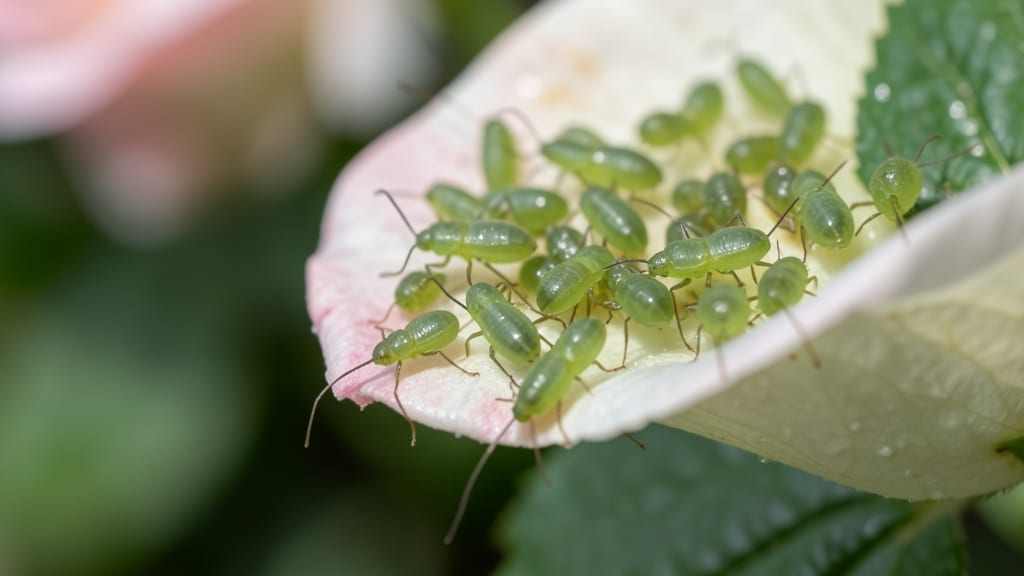
How to get rid of aphids on these flowers—those tiny green invaders are sucking the life out of your blooms. 🌿 Aphids turn vibrant petals into sticky, curled messes—but I’ve got a foolproof, nature-backed spray that works in hours, not weeks. No harsh chemicals, just targeted action that protects your flowers and the pollinators you love.
The secret? A mix of soapy water, neem oil, and a splash of garlic disrupts their feeding cycle instantly. Most gardeners grab store-bought sprays first, but this homemade version costs pennies and keeps working for 2-3 weeks after application. Plus, it’s safe for bees once fully dried—unlike systemic pesticides.
By tomorrow morning, you’ll see aphids dropping like flies, and within 48 hours, your flowers will perk back up. The key is timing: spray early in the day when aphids are sluggish, and repeat every 5-7 days until they’re gone for good.
I’ve saved dozens of roses, hydrangeas, and peonies with this method alone.
Works year-round, but spring and summer are prime aphid seasons—so keep this recipe on hand. The same spray even deters other soft-bodied pests like spider mites. Ready to reclaim your blooms? Let’s make that spray.
Root Causes Of Flower Aphids
If your once-vibrant flowers are now curled, sticky, or wilted, aphids are likely the culprits. These tiny sap-sucking insects don’t just appear out of nowhere—they’re drawn to specific conditions that make your plants an all-you-can-eat buffet.
Understanding why aphids target your flowers is the first step to stopping them in their tracks. Let’s break down the science behind their infestation.
Aphids thrive where plants are weak. When flowers are crowded, they compete for sunlight, water, and nutrients, leaving them stressed and more vulnerable. Stress signals—like yellowing leaves, stunted growth, or weak stems—tell aphids, “Hey, easy meal here!”
Why does this happen?
– Poor air circulation creates humid microclimates, which aphids love (they prefer damp conditions to avoid desiccation).
– Nutrient deficiencies (especially nitrogen or phosphorus) weaken plant defenses, making them less able to repel pests.
– Overwatering or underwatering both stress plants, making them aphid magnets.
Actionable insight: Prune overgrown branches, space plants properly (follow spacing guidelines for your flower type), and ensure balanced fertilization. Healthy plants = fewer aphid buffets.
Aphids are obsessional sap-suckers. They insert their needle-like mouthparts (called stylets) into plant stems and leaves to feast on phloem—the plant’s sugary nutrient transport system.
But here’s the kicker: they don’t just eat the sap; they excrete honeydew (a sticky, sugary waste), which attracts more pests like ants, wasps, and even sooty mold.
Why does this happen?
– Young, tender growth is richer in sap, so aphids target new leaves, buds, and shoots.
– Certain plant species (like roses, hibiscus, and dahlias) have thinner cell walls, making them easier to penetrate.
– High sugar content in the sap acts like a “Welcome” sign for aphids.
Actionable insight: Regularly trim new growth to remove aphid hotspots. Choose aphid-resistant flower varieties (e.g., marigolds or nasturtiums) to disrupt their feeding patterns.
Here’s a weird but true fact: ants farm aphids. They “milk” honeydew from aphids in exchange for protection, creating a mutualistic relationship that benefits both pests. If you see ants crawling on your flowers, they’re likely herding aphids like cattle.
Why does this happen?
– Ants transport aphids to new plants, spreading infestations rapidly.
– They kill predators (like ladybugs or lacewings) that would otherwise eat aphids.
– Aphids release alarm pheromones when threatened, but ants override this signal to keep the “farm” productive.
Actionable insight: Disrupt ant-aphid teams by setting borax or diatomaceous earth baits near ant trails. Plant mint or cloves near flowers—ants hate these scents!
Aphids are cold-blooded (literally—they’re insects, not reptiles, but they’re ectothermic). They reproduce exponentially in warm (60–85°F) and humid conditions. A single aphid can birth 50–100 nymphs in a week if left unchecked!
Why does this happen?
– Warmth speeds up metabolism, making aphids more active and fertile.
– High humidity prevents their bodies from drying out, extending their lifespan.
– Rain or overhead watering washes away natural predators (like parasitic wasps) while keeping aphids hydrated.
Actionable insight: Improve airflow around plants with fans or strategic pruning. Water at the base (not overhead) to avoid creating aphid-friendly humidity. Use row covers in early spring to block migrating aphids.
Now that you know why aphids are crashing your flower party, the next step is how to evict them—and fast. Stay tuned for natural, chemical-free solutions that work in hours!
Quick Fixes for Aphid-Infested Flowers
Aphids may be tiny, but they can wreak havoc on your prized blooms—sucking sap, distorting leaves, and even attracting pests like ants. The good news? You don’t need harsh chemicals to banish them.
Below, we’ve mapped out targeted solutions based on the root causes of your aphid problem, from overcrowded plants to weak immunity. Each fix is designed to work fast while keeping your garden thriving.
If aphids are clustering on crowded or stressed flowers, they’re likely drawn to easy access and weak defenses. Pruning and spacing disrupt their buffet while boosting plant health.
How to Fix It:
- 🔪 Trim Infested Areas: Snip off heavily infested stems or leaves with clean shears. Drop them into a sealed bag (not the compost!) to prevent spread.
- 🌿 Thin Out Plants: Space flowers at least 12–18 inches apart to improve airflow and reduce aphid hiding spots.
- 🌸 Isolate New Plants: Quarantine newly purchased flowers for 1–2 weeks before introducing them to your garden.
💡 Pro Tip: Focus on new growth—aphids love tender shoots. Pinch back soft tips to force harder, aphid-resistant foliage.
Ants love aphids because they farm them for honeydew (aphid poop). If you spot ants marching up your plants, they’re shielding aphids from predators and sprays.
How to Fix It:
- 🍳 Diatomaceous Earth Barrier: Sprinkle food-grade DE in a 1-inch band around the base of plants. It’s non-toxic but deadly to ants’ exoskeletons.
- 👨🍳 Soapy Water Spray: Mix 1 tsp mild dish soap + 1 quart water in a spray bottle. Target ant trails and aphid clusters. Reapply after rain.
- 🌡️ Borax Bait (Outdoor Use): Mix 1 tbsp borax + 1 cup sugar + 1 cup water. Place small amounts in shallow dishes near ant hills. Ants carry it back, collapsing their colony.
✨ Warning: Avoid borax near pets or kids—keep it out of reach.
Drought, poor soil, or sudden temperature swings weaken flowers, making them aphid magnets. Strengthen your plants’ defenses with these low-effort fixes.
How to Fix It:
- 💧 Deep Watering: Water at the base (not leaves) early in the morning to deter aphids and prevent fungal growth.
- 🥗 Compost Tea Fertilizer: Brew a nutrient-rich tea (1 cup compost + 5 gallons water, steep 24 hours). Dilute 1:10 and water plants. Phosphorus and potassium help flowers fight pests.
- 🌡️ Mulch Like a Pro: Apply 2–3 inches of organic mulch (straw, wood chips) to retain moisture and regulate soil temp. Avoid plastic mulch—it traps heat and attracts aphids.
🎯 Prevention Hack: Plant aphid-repelling companions like marigolds, garlic, or chives nearby. Their strong scents confuse aphids.
Ladybugs, lacewings, and parasitic wasps devour aphids—but they won’t stick around if your garden lacks shelter or food.
How to Fix It:
- 🏡 Create a Bug Hotel: Stack bamboo canes, hollow stems, or a mesh bag filled with twigs near infested plants. Ladybugs and lacewings will move in.
- 🍎 Offer Alternative Prey: Plant dill, fennel, or yarrow to attract beneficial insects with extra meals.
- 🛒 Buy Beneficial Insects: Purchase aphid-specific nematodes or ladybug larvae from garden centers. Release them at dusk for best results.
💡 Fastest Fix: Spray neem oil (1 tbsp + 1 quart water + drop of soap) on aphids at night—it repels them and attracts predators the next day.
If aphids have taken over entire plants or are spreading rapidly, you may need a two-pronged attack:
- 🔥 Blast Off with Insecticidal Soap:
- Mix 2.5 tbsp castile soap + 1 quart water. Spray directly on aphids (avoid hot sun—it can burn leaves).
- Reapply every 3–5 days until gone.
- 🌪️ Hose Them Away:
- Use a strong stream of water to knock aphids off leaves. Do this early morning so plants dry quickly.
⚠️ Avoid: Chemical pesticides like malathion—they kill beneficial insects and leave residues.
**🌟 Prevention
Frequently asked questions about flower aphids
Why do aphids keep coming back even after I spray them?
Aphids reproduce rapidly—one female can produce 50-100 offspring in a week! They also return if their favorite host plants (like roses or hydrangeas) remain stressed. Focus on preventing regrowth by improving plant health (proper spacing, balanced fertilization) and repeating sprays every 5-7 days until they're gone.
Is it safe to use soapy water on all flowers?
Most flowers tolerate mild soapy water (like 1 tsp dish soap per quart), but avoid delicate blooms like orchids or dahlias—their petals can absorb soap and stain. For sensitive plants, use neem oil spray instead. Always test a small leaf area first, and rinse plants thoroughly after treatment.
How do I know if my aphids are gone for good?
Check for no new honeydew (sticky residue) and no live aphids on stems or undersides of leaves for 2-3 weeks. Look closely with a magnifying glass—aphids hide in leaf crevices. If you see just a few stragglers, spot-treat those areas immediately to prevent reinfestation.
Can I use coffee grounds to repel aphids?
Coffee grounds won't directly kill aphids, but they can help deter them when used as mulch. The caffeine in used grounds may slightly repel soft-bodied pests, but their real benefit is improving soil health. For best results, combine with neem oil spray or ladybug releases for a comprehensive approach.
What's the best time of day to treat aphids?
Spray aphids early morning or late evening when temperatures are cooler (60-75°F) and aphids are less active. Avoid midday heat—it can stress plants and reduce spray effectiveness. Also, treat before rain to ensure the solution stays in place for 24 hours.