
How To
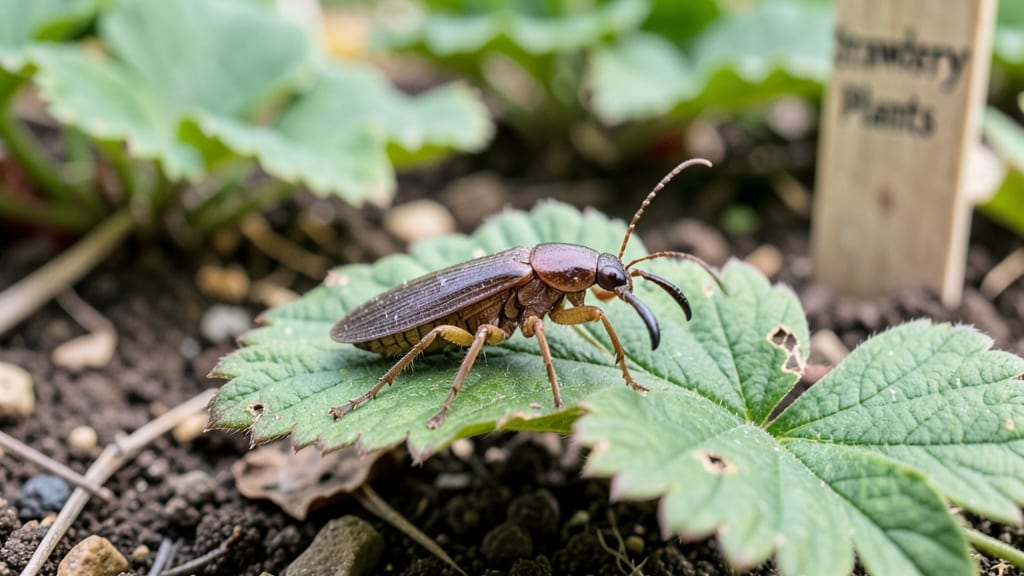
How to get earwigs out of your garden—without chemicals or drama. 🌿 These armored pests curl up in moist soil and under mulch, munching leaves and flowers—until now. The good news? You don’t need harsh chemicals to evict them. I’ve tested humane traps, barriers, and habitat tweaks that work in just a few days, even for stubborn infestations.
The secret lies in their behavior: earwigs love dark, damp hiding spots. Roll up damp newspaper or cardboard traps overnight—they’ll crawl inside, and you can toss them in the morning.
Add a shallow dish of soapy water near plants as a backup. Most gardeners see 80% fewer earwigs within a week using these two methods alone.
Your garden will stay lush and undamaged, with no lingering chemical residue. The traps are 100% reusable, and the soapy water method works for other pests too. Plus, you’ll prevent future invasions by keeping mulch dry and removing debris where they hide.
Works for veggie patches, flower beds, and even houseplants. Let’s reclaim your garden—naturally.
Root Causes Of Earwig Infestations
Earwigs may seem like a minor nuisance, but their sudden appearance in your garden is rarely random. These nocturnal insects thrive under specific conditions, and understanding why they’re showing up is the first step to stopping them in their tracks.
Below, we break down the science-backed reasons behind their unwelcome garden visits—so you can address the real issues, not just the symptoms.
Earwigs are extremely sensitive to humidity. Their exoskeletons are thin and permeable, meaning they need moisture to survive. Here’s why your garden becomes their perfect hideout:
- Overwatered soil or mulch: Earwigs burrow into damp, organic-rich soil where moisture is trapped. If your garden stays soggy—whether from frequent watering, poor drainage, or thick mulch layers—you’re essentially inviting them to move in. Pro tip: Test soil moisture by squeezing a handful; if water drips out, it’s too wet for plants and earwigs.
- Leaf litter and debris: Piles of fallen leaves, grass clippings, or wood chips create microclimates where humidity spikes. Earwigs use these as nesting sites, especially in shaded or low-lying areas where air doesn’t circulate.
- Irrigation quirks: Drip irrigation or overhead sprinklers that keep soil consistently damp (even just at the surface) signal earwigs that the conditions are ideal. They’ll migrate from nearby woodpiles, compost heaps, or even your neighbor’s yard to take advantage.
Actionable fix: Let soil dry slightly between waterings, especially in the evening. Rake up excess mulch or debris in high-risk zones, and consider soil amendments like perlite to improve drainage.
Earwigs are crepuscular—meaning they’re most active at dawn and dusk—but their presence in your garden during the day often points to deeper issues. Here’s what’s drawing them out:
- Artificial lighting: Earwigs are attracted to light sources (like porch lights or garden floodlights), which disrupt their natural nocturnal patterns. If you’ve noticed them clustering near lights, they’re likely disoriented and seeking shelter inside your home or under plants.
- Food availability: A garden overflowing with tender young plants, decomposing matter, or even pet food left outdoors acts as a buffet. Earwigs aren’t picky eaters—they’ll munch on living plants, fallen fruit, or even small insects. Pro tip: Remove rotting produce, fallen petals, and uneaten pet food immediately.
- Predator avoidance: Birds, spiders, and other predators hunt earwigs during the day. If your garden lacks natural predators (due to pesticide use or habitat loss), earwigs may venture out bolder and earlier in search of food.
Actionable fix: Switch to yellow or red bug lights, which are less attractive to earwigs. Prune plants to reduce hiding spots, and encourage predators like ladybugs or ground beetles with native plants.
Earwigs don’t just appear out of nowhere—they hitchhike or are unintentionally transported by humans. Here’s how:
| Source | How It Happens | Prevention |
|---|---|---|
| Firewood or mulch | Earwigs hide in cracks of firewood or within bags of mulch. Once delivered to your yard, they emerge and establish colonies. | Store firewood away from your home and inspect mulch before purchase. |
| Potted plants | Infested soil in nursery pots can harbor earwig eggs or nymphs. Transplanting them releases the pests into your garden. | Quarantine new plants for 1–2 weeks and inspect soil before gardening. |
| Compost piles | Overly wet or hot compost attracts earwigs, which then disperse into surrounding gardens when you turn the pile. | Balance compost with "browns" (dry leaves, cardboard) to reduce moisture. |
| Neighboring properties | Earwigs can travel up to 15 feet in a night. If your neighbor’s yard is infested, they’ll migrate to yours. | Discuss integrated pest management (IPM) strategies with neighbors. |
Actionable fix: Create a 2–3 foot barrier of dry sand or diatomaceous earth around your garden’s perimeter to deter migrating earwigs. Seal gaps in fences, sheds, or patios where they might crawl indoors.
Not all plants are equal when it comes to earwig attraction. These insects target gardens with:
- Soft, fleshy leaves: Plants like lettuce, basil, or hostas are earwig favorites because their tender tissue is easy to damage. The pests also feed on pollen and nectar, making flowering plants (e.g., roses, zinnias) high-risk.
- Shaded or damp microclimates: Earwigs avoid open, sunny areas. If your garden has dense ground cover, thick canopies, or north-facing beds, it’s a magnet for them.
- Weak or stressed plants: Plants under water stress, nutrient deficiencies, or disease exude volatile organic compounds (VOCs) that earwigs detect as a "easy meal" signal.
Actionable fix: Rotate crops annually to disrupt earwig life cycles. Plant earwig-repellent companions like marigolds, thyme, or garlic near vulnerable plants to mask attractive scents.
By tackling these root causes—moisture, food sources, human activity, and plant choices—you’ll make your garden less appealing to earwigs. The next step? Humane traps and barriers to evict them for good.
Tactical Fixes for Earwig Problems
Earwigs might seem like a minor annoyance, but their presence can disrupt your garden’s health and your peace of mind. The good news? You don’t need harsh chemicals to evict them.
Below are practical, humane solutions tailored to the root causes of earwig infestations—from hiding spots to moisture-loving habits—plus prevention tips to keep them from returning.
Earwigs sneak into gardens through cracks, mulch piles, and dense foliage. Seal their pathways with these steps:
- 👨🍳 Clear Debris & Mulch Remove leaf litter, rotting wood, and thick mulch near your home or garden beds.
Earwigs thrive in damp, dark spaces—eliminate their hideouts by keeping areas dry and tidy. Pro Tip: 💡 Use gravel or coarse sand around plant bases instead of fine mulch; it deters earwigs while still retaining moisture for plants.
- 🔪 Install Physical Barriers
- Copper tape around garden beds repels earwigs (they dislike the metal).
- Fine mesh screens (like hardware cloth) over vents, crawl spaces, or compost bins blocks entry.
- Seal gaps in fences, sheds, or patio slabs with caulk or weatherstripping.
Earwigs are moisture magnets. Reduce humidity in problem areas with these adjustments:
- 💦 Improve Drainage
- Raise garden beds slightly to prevent water pooling.
- Add sand or perlite to heavy soil to improve drainage.
- Fix leaky hoses or irrigation—standing water is an earwig buffet.
- ⏰ Adjust Watering Habits
- Water early in the day (before dusk) to let soil dry faster.
- Avoid overhead watering—focus on drip irrigation or soaker hoses.
- Pro Tip: 🌡️ If your garden stays soggy, consider planting drought-tolerant species like lavender or rosemary, which earwigs avoid.
Instead of pesticides, outsmart earwigs with DIY traps that relocate them far from your garden:
| Trap Type | How to Make It | Where to Place It |
|---|---|---|
| Beer Trap | Bury a shallow dish (e.g., yogurt cup) filled with beer at soil level. | Near infested areas, especially under plants. |
| Diatomaceous Earth (DE) Barrier | Sprinkle food-grade DE in a thin line around garden edges. | Avoid direct contact with plants (it’s safe but can irritate foliage). |
| Cardboard Roll Trap | Roll damp cardboard into a tube and place it vertically in the soil. | Leave overnight; earwigs will crawl inside—dispose far from the garden. |
| Light Trap (At Night) | Place a white sheet under a bright lamp (earwigs are attracted to light). | Set up 10+ feet from your garden to relocate them. |
Pro Tip: ✨ Check traps daily—earwigs are fast breeders, and stale traps won’t work!
Earwigs love decaying organic matter and certain plants. Modify your garden’s layout to make it less appealing:
- 🍃 Avoid Earwig-Favorite Plants Earwigs adore hostas, roses, lettuce, and strawberries. Replace them with:
- Marigolds (repel pests naturally).
- Thyme or oregano (earwigs dislike their scent).
- Garlic or chives (plant near vulnerable areas).
- 🪴 Prune Strategically
- Trim low-hanging branches that create dark, damp microclimates.
- Space plants to improve airflow—earwigs hate dry, airy conditions.
- 🐛 Encourage Natural Predators
- Birds (like swallows and sparrows) eat earwigs—install birdhouses or baths.
- Ground beetles and spiders are earwig hunters—avoid pesticides that kill them.
Once you’ve evicted earwigs, lock the door with these long-term strategies:
- 🌡️ Monitor Soil Moisture
- Use a moisture meter to ensure soil isn’t consistently damp.
- Aerate compacted soil to improve drainage.
- 🕯️ Use Nighttime Lighting Wisely
- Earwigs are nocturnal and drawn to light. Opt for yellow or red bulbs (they’re less attractive than white lights).
- 📅 Schedule Regular Maintenance
- Every 2 weeks, check for:
- New cracks or entry points.
- Accumulated mulch or debris.
- Signs of earwig activity (e.g., chewed leaves, egg cases).
- Every 2 weeks, check for:
- 🌿 Rotate Plantings
- If earwigs keep returning, switch up your garden layout seasonally to remove their food sources.
Final Reminder: Earwigs are harmless to humans and even beneficial (they eat other pests!). The key is balancing your garden’s ecosystem so they don’t overstay their welcome. With these fixes, you’ll enjoy a thriving, earwig-free oasis—without a single chemical in sight! 🌿🚫🪳
Frequently asked questions
Why do earwigs suddenly appear in my garden after rain?
Earwigs thrive in damp conditions, so they emerge after rain to hunt for food and moisture. The wet soil and foliage create perfect hiding spots for them. They’ll retreat once conditions dry out, but removing leaf litter and improving drainage can prevent their return.
Are beer traps the most effective way to remove earwigs?
Beer traps work well for quick removal, but they’re not a long-term solution. The alcohol attracts earwigs, but they reproduce rapidly—you’ll need to repeat the process. For lasting results, combine traps with habitat changes like reducing mulch and improving airflow.
Can I use diatomaceous earth around my vegetable garden?
Yes, but only food-grade diatomaceous earth (DE) is safe for edible plants. Sprinkle it lightly around the base of plants—it’s harmless to humans but dehydrates earwigs. Avoid direct contact with leaves, as it can irritate plant tissue. Reapply after rain.
Will earwigs damage my houseplants if they crawl inside?
While earwigs rarely harm houseplants, they can chew leaves and create unsightly holes. The bigger concern is their moisture-loving habits—if they’re inside, check for leaks or overwatering. Seal gaps in windows and doors, and place traps near entry points to redirect them outdoors.
How long does it take to see results with these methods?
With consistent trapping and habitat adjustments, you’ll typically see a 50-70% reduction in earwig activity within 3-5 days. Full eradication may take 2-4 weeks, depending on the infestation size. Monitor traps daily and maintain dry conditions to speed up results.