
Tools
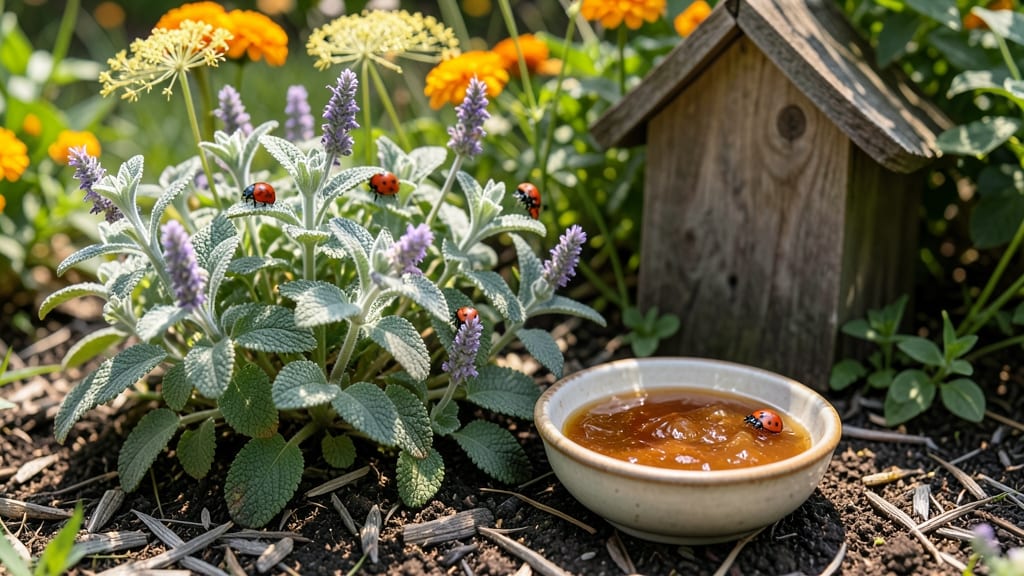
How to encourage ladybugs in your garden might have a tiny, spotted solution. 🌱 Ladybugs aren’t just cute—they’re voracious aphid hunters, and attracting them is simpler than you’d think. I’ve watched my own garden transform from a aphid-infested mess to a thriving ecosystem just by making a few intentional changes.
The secret starts with habitat: ladybugs love native plants like dill, fennel, and yarrow, plus a shallow water source (a saucer with pebbles works perfectly). Avoid pesticides entirely—even "organic" ones can harm them.
Timing matters too: plant their favorite flowers in early spring and leave some garden "mess" (like leaf litter) for overwintering.
Within weeks, you’ll see them patrolling your plants, devouring pests before they become a problem. The best part? Ladybugs multiply fast, so once they arrive, they’ll stick around for years. My garden now has natural pest control that costs nothing and looks adorable doing it.
This works for any yard size, from urban balconies to country plots. Let’s get those tiny guardians settled in for good—your veggies will thank you.
📚 In This Guide
- What you need
- Instructions
- Tips and common mistakes
- Wrapping up and next steps
What you need
- ● Native milkweed, fennel, dill, or yarrow plants (3–5 plants, depending on garden size)
- ● Ladybug-friendly flowers (e.g., marigolds, cosmos, or daisies—plant 10–15 stems)
- ● Shallow water dish (small, like a saucer or lid) with pebbles to prevent drowning
- ● Organic pest control options (avoid chemical pesticides—stick to neem oil or insecticidal soap if needed)
- ● Pruning shears or small hand trowel (for planting and maintenance)
- ○ Ladybug eggs or larvae (optional but helpful) (available from garden centers or online suppliers)
- ● Ladybug houses (store-bought or DIY with a wooden box filled with straw or pinecones)
- ● Compost or leaf litter (to provide shelter and moisture)
- ● Honey or sugar water solution (1 part honey to 4 parts water, for a quick snack)
- ● Garden journal (to track ladybug activity and plant growth)
Step-by-step instructions for attracting ladybugs to your garden
Here’s how to turn your garden into a ladybug paradise—no fancy tools or complicated tricks needed.
🌱 Step 1: Plant Ladybug-Friendly Flowers and Herbs
Start by adding nepeta, marigolds, cosmos, and dill—these are ladybug favorites. I like to plant them in clusters near the edges of my garden beds, where ladybugs can easily find them. Ladybugs love these flowers because they provide both nectar for energy and shelter from predators. You’ll notice them within a few weeks, especially on sunny afternoons when the flowers are in full bloom.
Herbs like fennel, cilantro, and dill also attract ladybugs because their aromatic leaves act like a beacon. If you already have these in your garden, great! If not, add a few pots near your veggie patches. Ladybugs will patrol these areas, keeping pests like aphids at bay.
☀️ Step 2: Create Shelter with Mulch and Leaf Litter
Ladybugs need safe places to hide, especially during hot days or cold nights. Spread a thin layer of mulch (like straw or shredded leaves) around the base of plants. This mimics their natural habitat and gives them a cool, protected spot to rest. I avoid thick mulch layers—just enough to cover the soil without suffocating roots.
Leave some leaf litter or small piles of bark in shady corners of your garden. These spots become ladybug nurseries, where they lay eggs and overwinter. If you’re worried about mess, don’t be—just a few small clusters in quiet spots work perfectly. You’ll start seeing tiny ladybug larvae (those spiky orange caterpillars) if you’ve done this right.
💧 Step 3: Avoid Pesticides and Provide Water Sources
Here’s the thing—pesticides kill ladybugs just as fast as pests. If you’ve used any chemicals in the past, give your garden a few weeks to clear out before expecting ladybugs to move in. Even organic sprays can be harmful, so stick to neem oil or insecticidal soap sparingly, and always apply in the evening when ladybugs are less active.
Ladybugs need water too, but they won’t drink from puddles. Instead, place a shallow dish of water with pebbles in the soil. The pebbles create a landing spot so they don’t drown. I place these near their favorite flowers, and within days, you’ll see ladybugs sipping from the edges. This small trick keeps them hydrated and healthy.
🪴 Step 4: Release Ladybugs Strategically (If Needed)
If your garden isn’t already attracting ladybugs after a few weeks, consider buying live ladybugs from a reputable supplier. The best time to release them is early morning or late evening when temperatures are cool—this gives them time to acclimate. I like to release them near aphid-infested plants so they have an immediate food source.
Don’t just dump them in the middle of your garden. Gently sprinkle them onto leaves or flowers where they can crawl into hiding spots. Avoid releasing them on windy days—they’ll just fly away. Within a day or two, they’ll start patrolling your plants, and you’ll see them munching on pests like aphids or mites.
⏰ Step 5: Monitor and Maintain Their Habitat
Check your garden weekly to see how the ladybug population is growing. Look for signs like fewer aphids, more ladybug larvae, or adults clustering on flowers. If you notice a drop in their numbers, it might mean their food sources are running low—add more nectar-rich flowers or herbs.
In late summer or early fall, ladybugs will start looking for overwintering spots. If you’ve created sheltered areas with mulch or leaf litter, they’ll naturally move in. If not, you can gently gather a few and place them in a mesh bag with twigs in a garage or shed until spring. This ensures they’ll return next season.
Tips & tricks for perfect ladybug attraction
Here's how to maximize your ladybug population without the guesswork—these little details make all the difference.
Flower Placement Matters: Plant your ladybug favorites—nepeta, marigolds, and cosmos—in sunny spots along garden edges. Ladybugs prefer these locations because they offer both nectar and shelter from predators. I've noticed they cluster most heavily on plants that get 6+ hours of sunlight daily, so avoid shady corners for these specific flowers. The more visible the flowers are, the quicker ladybugs will find them.
Timing for Water Sources: Place those shallow water dishes within 3 feet of your ladybug-friendly plants—they won't travel far for hydration. I've found the best time to set them up is early morning when ladybugs are most active after overnight cooling. The pebbles should be smooth river rocks, not sharp gravel, to prevent injury. Refresh the water every 2-3 days to keep it clean and inviting.
Pesticide-Free Zones: The 3-week waiting period after chemical use is critical—even organic sprays can linger. I recommend switching to neem oil sprays only in the evening (after 7 PM) when ladybugs are less active. For extra protection, create pesticide-free buffer zones around your ladybug plants using chicken wire or row covers if needed for other garden areas.
Release Strategy: When releasing purchased ladybugs, avoid windy days—they'll simply fly away before settling. I've had the most success releasing them within 2 hours of purchase, when they're still calm. Place them on aphid-infested leaves first—they'll start eating immediately. If you're releasing in cooler weather (below 60°F), wait until temperatures rise to at least 65°F to prevent shock.
Pro Tips for Encourage Ladybugs In Your Garden
- Here's how to maximize your ladybug population without the guesswork—these little details make all the difference.
- Flower Placement Matters: Plant your ladybug favorites—nepeta, marigolds, and cosmos—in sunny spots along garden edge...
- Timing for Water Sources: Place those shallow water dishes within 3 feet of your ladybug-friendly plants—they won't t...
Frequently asked questions
When is the best time to attract ladybugs?
Ladybugs thrive in spring and early summer (April–June in most regions). This is when they’re most active and hungry for pests. If you’re introducing them later, focus on creating a year-round habitat—they’ll stick around if food and shelter are plentiful!
What if I don’t see ladybugs after setting up their home?
Patience is key! Ladybugs may take weeks to notice your garden. Check for signs like aphids disappearing or tiny eggs on leaves. If they’re still MIA, try releasing more adults (available online or at garden centers) or add neighborhood-friendly plants like dill or fennel to lure them.
Are there non-plant ways to attract ladybugs?
Skip the pesticides (they’re toxic to ladybugs) and opt for:
- Water sources: Shallow dishes with pebbles and water.
- Diverse mulch: Leaf litter or straw provides hiding spots.
- Ladybug “hotels”: Small wooden boxes with holes mimic their natural shelters.
Will ladybugs survive winter in my garden?
Many species do overwinter in gardens if they have shelter (like tree bark, dense plants, or leaf piles). Avoid disturbing hibernating clusters! If winters are harsh, provide a protected spot (e.g., under eaves) with a light covering to keep them cozy.
What should I avoid to keep ladybugs happy?
Steer clear of:
- Chemical pesticides—even “organic” ones can harm them.
- Over-trimming—leave some “messy” areas for shelter.
- Monoculture gardens—diversity = more food and habitat!
Wrapping up and next steps
Encouraging ladybugs in your garden is a simple yet powerful way to create a thriving, eco-friendly ecosystem while keeping pests at bay. By planting native flowers, avoiding harsh chemicals, and providing shelter, you’re not just attracting these tiny guardians—you’re fostering a healthier garden for years to come. 🌱✨
Ready to take the next step? Start small—pick one or two of these tips and observe the changes in your garden. Before you know it, ladybugs will be your furry little allies, turning your yard into a pest-free paradise! 🐞💚