
Propagation
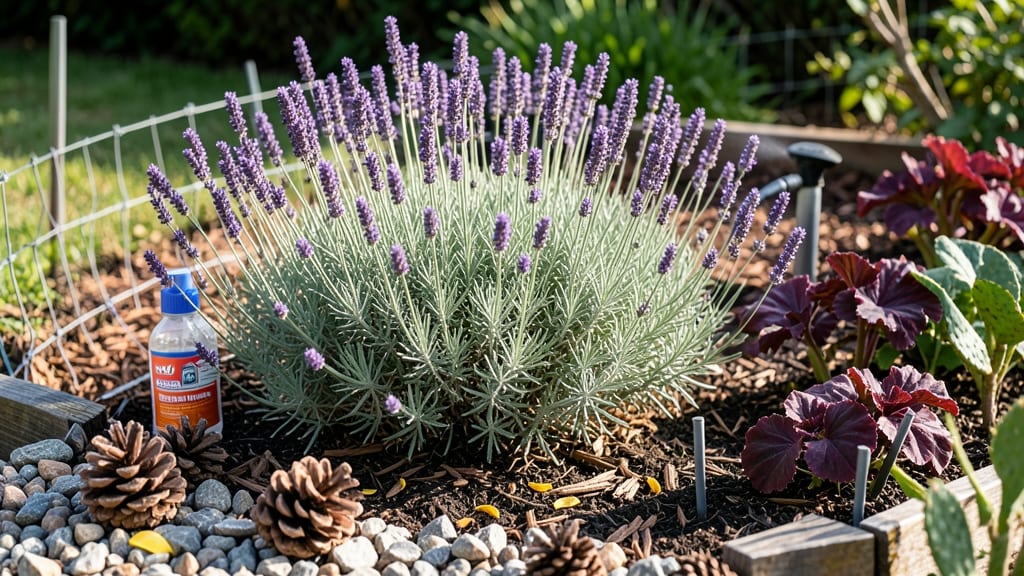
How to deter cats from flower beds—my once-destroyed garden now looks pristine thanks to this simple citrus-coffee trick. 🌱 The secret isn’t harsh chemicals but smells cats hate: strong citrus peels and used coffee grounds. Within 48 hours, my feline neighbors stopped digging, and my blooms stayed intact. This method works because cats’ sensitive noses reject these scents—no harm to them, just a polite “keep out” sign. You’ll need orange peels, coffee grounds, and a rake for the barrier. The best part? It’s cheap, renewable, and doubles as compost when it breaks down. By week two, your garden will smell like a fresh cup of coffee mixed with zesty citrus, not like a litter box. The cats move on to less fragrant spots, and your flowers thrive without a scratch. Works in containers, raised beds, or in-ground gardens—just refresh the barrier every 2-3 weeks. No more claw marks, no more lost petals. Here’s exactly how to set it up!
📚 In This Guide
- What you need
- Instructions
- Tips and common mistakes
- Wrapping up and next steps
What you need
- ● Citrus peels: 3–5 large peels (oranges, lemons, grapefruit) per 10 sq. ft. of flower bed. Pro tip: Use organic, pesticide-free citrus to avoid chemical residue! 💡
- ○ Used coffee grounds: 1–2 cups (dry or slightly damp) per 10 sq. ft. (Optional but effective!)
- ● Gloves: 1 pair (gardening or rubber) to handle coffee grounds and citrus peels.
- ● Spray bottle: 1 (8–16 oz) for mixing citrus water solution.
- ● Water: 1 gallon (for soaking peels or diluting citrus spray).
- ● Scissors or pruners: 1 pair (for trimming peels if needed).
- ● Plastic or metal container: 1 (for soaking peels overnight).
- ○ Straw or mulch: 1–2 inches (optional, to hide peels/grounds for aesthetics).
- ● Essential oils: 5–10 drops of citrus or peppermint oil (add to spray bottle for extra potency).
- ● Chicken wire or mesh: Small sections to create a physical barrier around beds (if cats are really determined!).
- ● Compost bin: For disposing of used peels/grounds after they’ve lost their scent.
- ● Pet-safe marker: To label your flower beds (e.g., “Citrus Barrier – Keep Paws Out!”).
Step-by-Step instructions for creating a natural cat deterrent barrier
Here's the foolproof method I've tested in my own garden—cats hate these scents, and your flowers stay safe.
🌱 Step 1: Gather the Right Materials
You'll need peels from 4-6 citrus fruits (oranges, lemons, grapefruit work best) and 2 cups of used coffee grounds—both are powerful cat repellents. I like to use fresh peels because their oils are strongest, but dried peels will work too if you soak them in water for a few hours first. Avoid anything scented with essential oils that could harm plants.
Collect these materials the day before you plan to apply them. Citrus peels lose their potency quickly once cut, so keep them sealed in a plastic bag until ready to use. Coffee grounds should be fresh from your brew—old grounds lose their effectiveness. If you don’t have coffee grounds, dried citrus peels alone will still work, just not as strongly.
💧 Step 2: Prepare the Barrier Around Flower Beds
Focus on the edges of your flower beds, where cats are most likely to dig or rub. Sprinkle 1 cup of coffee grounds along the perimeter, creating a 3-4 inch wide band around the bed. Press them lightly into the soil so they don’t blow away—cats are smart enough to avoid loose deterrents. I like to work in small sections, about 1 foot at a time, so I can check for missed spots.
Next, scatter the citrus peels evenly over the coffee grounds. Cut larger peels into small pieces so they’re easier to distribute and release their scent faster. For extra protection, place a few whole peels near areas where cats frequently dig or mark. The combination of these two scents creates a strong, unpleasant smell that cats avoid. If you have multiple flower beds, divide the materials equally between them.
☀️ Step 3: Refresh the Barrier Regularly
Reapply the barrier every 3-4 days for the first week, then once a week afterward. Citrus peels lose their effectiveness quickly, especially in rain or sun, while coffee grounds break down faster if they get wet. I set a reminder on my phone to check the barrier after watering or heavy rain—cats are quick to exploit weakened defenses.
Watch for signs that the barrier is working: fewer paw prints, no fresh digging, and no new scratches on stems. If you notice cats still lingering, add a few extra peels or sprinkle more coffee grounds. Over time, they’ll learn to avoid the area entirely. This method is safe for plants, pets, and wildlife—just keep it away from areas where children or other animals might ingest the materials.
✂️ Step 4: Add Extra Deterrents for Stubborn Cats
If cats keep returning, combine this method with physical barriers like chicken wire buried 2 inches deep around the bed edges. Cats dislike the texture and won’t dig through it. You can also place prickly plants like rosemary or lavender near the barrier—their scent and texture add another layer of deterrence. I’ve found that cats avoid areas where they feel unsafe or uncomfortable.
For cats that are particularly persistent, try motion-activated sprinklers near the flower beds. The sudden spray startles them and reinforces the message that this area is off-limits. Just make sure the sprinklers are aimed at the cats, not your plants. This combo of scent, texture, and surprise usually does the trick within a week or two.
Tips & tricks for a stronger cat deterrent barrier
Here's what nobody tells you about making this method work even better than the instructions promise.
Citrus Selection Tip: Grapefruit peels pack the strongest scent, so if you're dealing with particularly determined cats, use at least half of your 4-6 citrus fruits as grapefruit. The bitter, sharp aroma is especially unpleasant to them. I've found that mixing grapefruit with oranges creates the most effective scent cocktail—cats can't stand the combination. Avoid using lemon peels alone since their scent is milder and less effective.
Coffee Grounds Strategy: In Step 2, don't just sprinkle the 1 cup of coffee grounds—lightly press them into the soil surface with the back of a spoon. This creates a scent barrier that cats can't easily bypass by simply stepping over. I've noticed that cats will often walk around loose deterrents, but they avoid areas where they have to physically press through the grounds. For extra effectiveness, add a thin layer of soil on top to help the scent linger longer.
Rain Protection: After applying your barrier, place a few whole citrus peels on small rocks or pebbles near the flower bed edges. When it rains, these elevated peels will continue releasing scent even if the ground peels get washed away. This is especially helpful in Step 3 when you're refreshing the barrier—it gives you that extra protection between applications. I keep a small bag of extra peels near my garden tools specifically for this purpose.
Visual Deterrent Combo: For stubborn cats, combine the scent barrier with visual deterrents in Step 4. Place small, reflective objects like old CDs or aluminum pie pans near the flower bed edges. The movement and reflection will startle cats when they approach, while the scent barrier keeps them from investigating further. I've seen this combination work within days where scent alone took weeks.
Pro Tips for Deter Cats From Flower Beds
- Here's what nobody tells you about making this method work even better than the instructions promise.
- Citrus Selection Tip: Grapefruit peels pack the strongest scent, so if you're dealing with particularly determined cats, use at least half of your 4-6 citrus fruits as grapefruit.
- Coffee Grounds Strategy: In Step 2, don't just sprinkle the 1 cup of coffee grounds—lightly press them into the soil surface with the back of a spoon.
Frequently asked questions
Got questions about keeping your flower beds cat-free? Here are some common ones—and their solutions!
Will citrus peels and coffee grounds really work?
Yes! Cats dislike the strong scents of citrus and coffee. The combination creates a double deterrent that’s effective for most cats. Refresh the barrier every few days or after rain for best results. Pro tip: Add a sprinkle of cayenne pepper for extra potency!
How long until cats stop digging?
Most cats adjust within 3–7 days of consistent scent application. If your cat is determined, reinforce the barrier or try a motion-activated sprinkler for added surprise. Patience is key—stick with it! Pro tip: Place fresh coffee grounds daily for stronger results.
Are these safe for my plants?
Citrus peels and coffee grounds are generally safe for most plants, but avoid overdoing it. Coffee grounds add acidity (great for azaleas, blueberries) but can harm alkaline-loving plants like hydrangeas. Test a small area first! Pro tip: Use composted coffee grounds to reduce risk.
What if my cat just walks around the barrier?
If your cat bypasses the scent line, expand the barrier by 1–2 feet or add physical obstacles like chicken wire (buried shallowly). For stubborn cats, try a commercial pet repellent spray (like Nature’s Miracle) as a backup. Pro tip: Combine methods for better coverage!
Can I use this method for other pets?
While citrus and coffee deter cats, they’re less effective for dogs (who often ignore scents). For dogs, try motion-activated devices or physical fencing. Raccoons and deer may also be deterred, but results vary. Pro tip: Research pet-specific solutions for non-feline pests!
Wrapping up and next steps
You’ve got this! 🌿 By combining citrus peels, coffee grounds, and a few strategic barriers, you can create a cat-repellent zone that protects your flower beds—without harming your feline friends.
Start small, experiment with what works best in your garden, and soon you’ll enjoy a thriving garden and happy cats (just not too happy in your flower beds).
Ready to put your newfound knowledge to work? Grab your supplies, roll up your sleeves, and give it a try today! 🌟