
How To
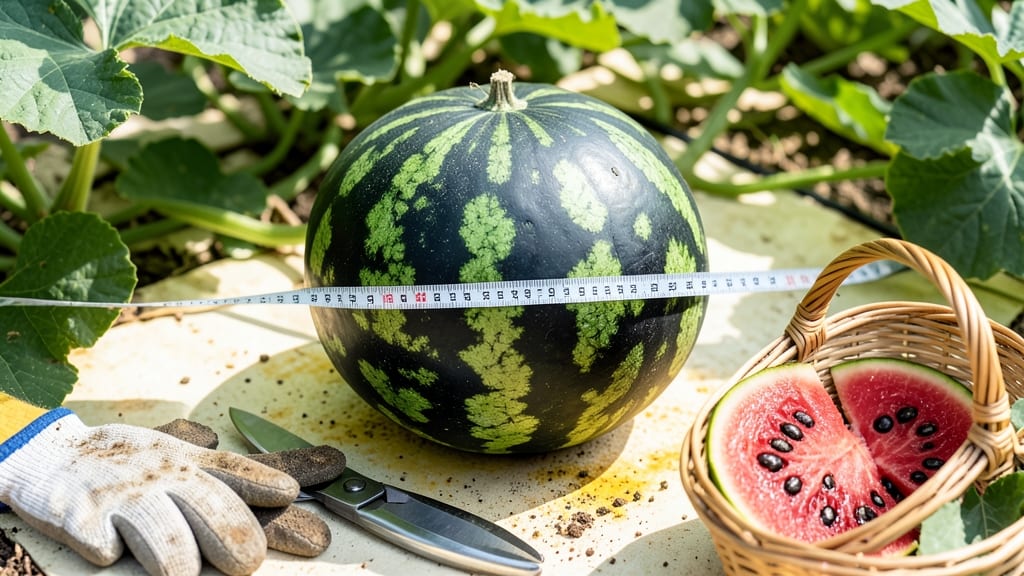
The 3 proven tests to identify a sweet Black Diamond watermelon
Picking a Black Diamond watermelon that’s sweet and ripe can feel like a gamble—until you know the right tricks. This heirloom variety is prized for its deep red flesh and intense sweetness, but its dark green rind can be deceiving. The good news?
Three simple tests—tap, thump, and slide—will reveal whether your melon is ready to slice or still needs time on the vine. Let’s dive into each method so you can confidently select the juiciest, sweetest Black Diamond every time.
First, let’s talk about the tap test, a quick way to check for ripeness without damaging the melon. Gently tap the watermelon’s blossom end (the flat side where it sat on the ground). A ripe Black Diamond will sound hollow and deep, almost like a drum.
If it sounds dull or flat, it’s likely underripe. This test works because the seeds and flesh inside mature melons create that signature hollow echo. Pro tip: Tap near the field spot (the yellowish patch where it rested on the soil) for the most accurate read.
Next, the thump test builds on the tap but adds a slight pressure check. Place your watermelon on a hard surface and gently press your thumb into the flesh side (the rounded side opposite the blossom end).
A ripe Black Diamond will have a slight give—like pressing your thumb into a firm pillow. If it feels rock-hard, it’s underripe; if it’s too soft, it may be overripe.
This test is especially useful for Black Diamonds, which often have thicker rinds than other varieties, making them feel firmer even when ripe.
The final test is the slide test, which checks for the perfect balance of sugar and moisture. Hold the watermelon firmly and slide your hand along the rind from top to bottom.
A ripe Black Diamond’s skin should feel smooth and slightly waxy, almost like a well-polished surface. If the rind feels rough or powdery, it’s not ready. This test also helps distinguish Black Diamonds from fakes—genuine ones have a distinctly glossy finish thanks to their unique genetic makeup.
🌱 Step-by-Step: The 3 Tests for a Perfect Black Diamond
- Tap Test: Tap the blossom end—hollow sound = ripe
- Thump Test: Press the flesh side—slight give = perfect
- Slide Test: Glide your hand—smooth rind = ready to eat
✅ Bonus: Look for a creamy yellow field spot—a sign of full ripeness!
Why do these tests work so well for Black Diamond watermelons? Unlike seedless varieties or lighter-fleshed melons, Black Diamonds have a higher sugar-to-water ratio, which affects their texture and sound when ripe. The thicker rind also means they won’t feel mushy even when fully mature.
For example, a seedless watermelon might pass the thump test but lack the same depth of flavor because its flesh is 80% water, while Black Diamond’s is closer to 70% water and 30% sweetness.
One common mistake is relying solely on size or weight to judge ripeness. A heavy watermelon isn’t always sweeter—it could just be overwatered or overgrown. Instead, combine the three tests for accuracy.
For instance, if your melon passes the tap and slide tests but fails the thump (feels too firm), give it a few more days on the vine. Patience pays off with Black Diamonds—their flavor peaks when fully ripe.
Pro growers also recommend checking the stem for an extra clue. If it separates easily from the watermelon with a slight tug, that’s a green light. A stubborn stem means it’s not ready. This trick works because the stem dries out as the melon matures, making separation effortless.
Pair this with the three tests above, and you’ll have a 100% foolproof way to pick the sweetest Black Diamond every time.
Remember, the key to a sweet Black Diamond is maturity, not size. These tests ensure you’re selecting a melon that’s biologically ripe, which directly correlates to maximum sweetness.
Once you master them, you’ll never settle for a bland slice again. Now grab your melon, put these tips to the test, and enjoy that burst of flavor you’ve been craving!
The 3 proven tests to identify a sweet Black Diamond watermelon
Picking a Black Diamond watermelon that’s packed with sweetness isn’t just luck—it’s science. This heirloom variety thrives on thicker rinds and lower water content, making it trickier to judge than standard watermelons.
But with these three foolproof tests, you’ll spot a ripe, flavorful fruit every time. The key? Combine visual cues with sensory checks to avoid underripe or overripe disappointments.
First, let’s tackle the tap test, a method that reveals the internal ripeness without cutting the melon. Tap the watermelon’s blossom end (the flat side) with your knuckles—it should sound hollow and deep, like a drum. A dull thud means it’s still firm and likely underripe.
Pro tip: Black Diamond melons often have a darker rind near the blossom end, so pair this test with a close look at the skin color.
🌱 Step-by-Step: The Sweetness Test Suite
- Tap Test: Tap the blossom end—hollow sound = ripe, dull thud = underripe.
- Thump Test: Lift and drop slightly—deep resonance = sweet flesh, flat sound = bland.
- Slide Test: Drag thumbnail over field spots—smooth = ripe, rough = overripe.
Field spots are the yellow patches where the melon rested on the ground.
The thump test takes the tap a step further by testing the internal sugar density. Lift the watermelon a few inches off the ground and let it drop gently. A ripe Black Diamond will vibrate and produce a deep, ringing sound.
If it feels more like a thud or flat noise, the flesh is likely watery or underdeveloped. This test works best when combined with the tap—if both sound musical, you’re onto a winner.
Last but not least, the slide test focuses on the rind texture, a critical clue for Black Diamond melons. Run your thumbnail over the field spots (the creamy-yellow patches where the melon touched the soil). A ripe melon’s spots should feel smooth to the touch, almost buttery.
If the spots are rough or dry, the melon is overripe and may have grainy flesh. This test is especially useful for darker-skinned varieties like Black Diamond, where color alone can be misleading.
Don’t overlook the stem either! A ripe Black Diamond will have a dry, papery stem that separates easily from the melon. If the stem is still green and attached firmly, the melon needs more time on the vine.
And here’s a bonus tip: Smell the stem—a sweet, melon-like aroma is a green light, while a musty or sour smell means it’s past its prime.
By mastering these three tests, you’ll confidently pick Black Diamond watermelons that burst with sweet, juicy perfection—no guesswork required. And remember, the best melons often come from homegrown vines where you control the growing conditions and harvest timing for maximum flavor. Happy picking!