
How To
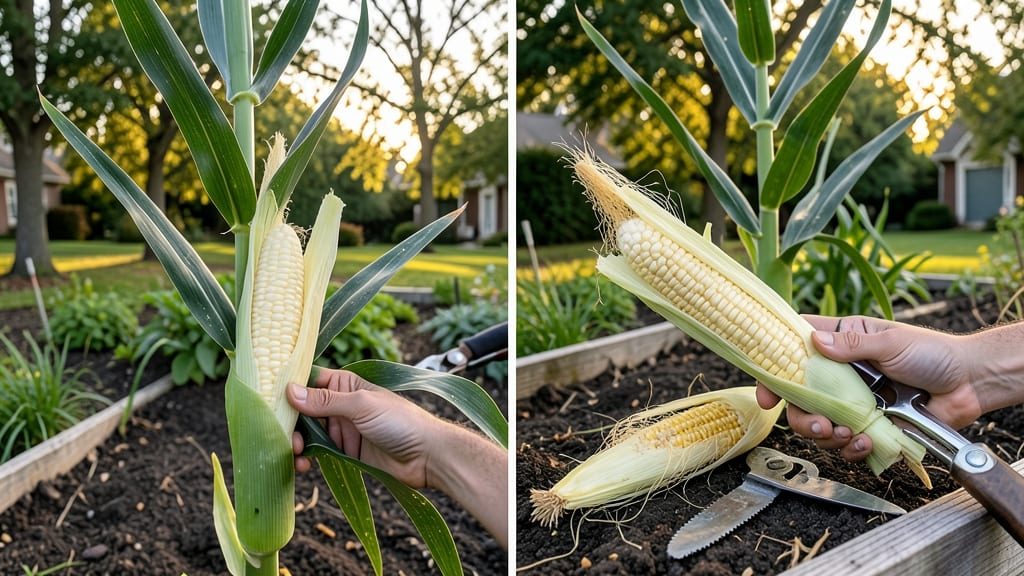
How to know when sweet corn is ready to pick can mean the difference between tender, juicy kernels and tough, starchy disappointment. That perfect moment arrives faster than you think—often just days after those silks turn brown—and missing it means losing flavor and texture.
Most gardeners wait for the obvious signs: dried silks and plump ears, but there’s more to it than meets the eye. The kernel plumpness test and silk color changes reveal the true sweetness window, and skipping these checks could leave you harvesting too early or too late.
In this guide, I’ll walk you through the foolproof methods to test your corn’s readiness, from the classic squeeze test to silk color clues. Whether you’re a first-time grower or a seasoned gardener, these tips will help you harvest at peak flavor every time—no guesswork required.
Let’s dive into the simple tricks that’ll transform your corn patch from good to exceptional, ensuring your ears are sweet, tender, and ready for the table. You’ll never second-guess harvest time again!


How to check sweet corn silk color for perfect ripeness
Sweet corn silks start bright green but transform into brown or tan as they dry—this color shift is your first clue that kernels are developing. Green silks mean pollination is still active, while dry brown silks signal the plant is redirecting energy to kernel growth.
Pay close attention to this change, as it aligns with peak sugar content and firmness.
The silk color change typically occurs 12-15 days after pollination, but timing varies by variety and weather. Hot, dry conditions can speed up drying, while cool, wet weather may delay it.
Check silks daily during the final week of growth—they’ll start curling and crisping before turning fully brown, a sign the ear is nearing harvest readiness.
Don’t rely solely on silk color, though. Moisture content plays a critical role—silks should feel dry and brittle to the touch, not damp or sticky. If they’re still slightly green or moist, the ear isn’t fully mature yet.
This moisture test helps distinguish between underripe and overripe corn, where silks may appear brown but kernels are tough.
| Silk Stage | Kernel Development | Harvest Readiness | Action |
|---|---|---|---|
| Bright green | Small, underdeveloped | Not ready | Wait 5-7 more days |
| Green turning brown | Filling out, firm | Nearly ready | Test kernels in 24 hours |
| Dry, brown | Plump, milky white | Ready to harvest | Pick within 24 hours |
| Crispy, brittle | Dry, starchy | Overripe | Use for cooking or freezing |
For super-sweet varieties like Bodacious or Silver Queen, silk color alone isn’t enough—these hybrids prioritize sugar content over traditional ripeness cues.
Combine silk checks with the kernel plumpness test (covered in the next section) to ensure you’re harvesting at the sweetest point, typically 2-3 days after silks turn brown.
Pro tip: Morning harvests yield the sweetest corn because sugar levels peak after overnight cooling. If you’re unsure about silk color due to shade or rain, focus instead on the ear’s firmness and kernel color—these indicators are more reliable in less-than-ideal conditions.
Watch for uneven silk drying, which can happen if pollen transfer was inconsistent. In this case, harvest the most mature ears first (those with fully brown silks) and leave the rest to ripen. This staggered approach ensures you get multiple harvests over 1-2 weeks, maximizing your yield.
If silks turn brown but the ears feel soft or kernels are loose, your corn may be overripe. While still edible, these ears lack the tender crunch and sweetness of perfectly ripe corn. Overripe corn is best suited for freezing or grilling, where texture becomes less critical.
For container growers, silk color is especially important since space is limited. Dwarf varieties like Little and Lovin’ mature faster, so monitor silks closely—these compact plants may show brown silks in as few as 60 days, compared to 75-90 days for standard varieties.
Remember: Silk color is just one piece of the puzzle. Pair it with the kernel plumpness test (next section) and ear firmness for foolproof results. When all three indicators align—brown silks, plump kernels, and firm ears—you’ve got harvest-ready sweet corn at its peak! 🌽
The kernel plumpness test: how to squeeze sweet corn for maximum sweetness
Sweet corn reaches its peak sweetness when kernels are plump and milky—not hard or doughy. The classic squeeze test is your foolproof way to check ripeness without guessing. Here’s how to do it right: grasp the ear firmly near the tip and gently press your thumb against a kernel row.
If it feels firm but yields slightly, it’s ready. Overripe corn will feel hard and dry, while underripe ears stay soft and uneven.
Pro tip: Test multiple kernels along the ear since ripening can vary. Focus on the middle kernels, as they’re often the first to mature. If you hear a slight pop or crack when squeezing, that’s a good sign—the kernels are packed with natural sugars.
Avoid testing ears with green silks or loose husks, as they’re unlikely to be ready yet.
Never harvest corn with dry, brittle silks or kernels that pop easily—this means the sugars have converted to starch. Overripe corn tastes starchy and mealy, not sweet. If your ears pass the squeeze test but silks are brown and crumbly, harvest immediately or risk losing flavor.
For best results, pair the squeeze test with the silk color check (brown and dry) and husks (tight but not green). Morning harvests yield the sweetest corn because cooler nighttime temps preserve sugars. Skip afternoon picks—heat causes sugars to break down faster.
If your kernels feel soft or mushy, they’re underripe and need 2–3 more days. Wait until they’re plump and firm before harvesting. Remember: harvest time is short—sweet corn peaks quickly and loses flavor fast once picked.
Don’t wait until the last ear is ready; once the first few pass the test, it’s time to harvest the whole batch.
For freezing or canning, harvest when kernels are fully plump but still slightly firm—this balances texture and sweetness for storage. Fresh-eating corn should be slightly softer to maximize tenderness. Always harvest with a sharp knife and cut the stem to preserve moisture and flavor.
Practice the squeeze test a few times, and you’ll develop a feel for perfect sweetness. The more you harvest, the easier it gets to spot that just-right moment when your corn is buttery, juicy, and bursting with flavor.