
How To
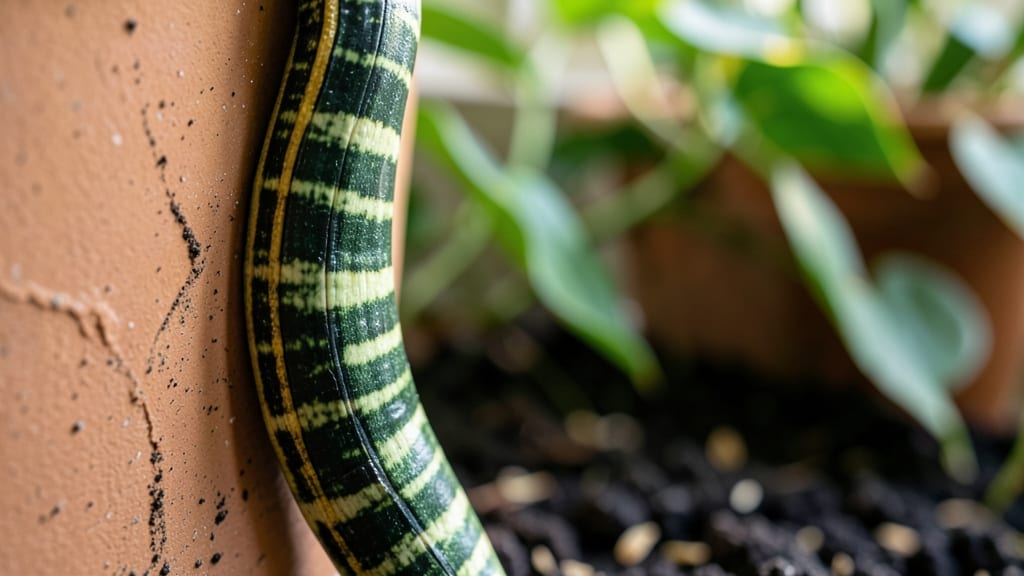
How to make a snake plant grow tall starts with light—not just any light, but the right kind. 🌿 I’ve watched mine stretch from stubby rosettes to towering, elegant stalks by mastering this one factor, and it’s simpler than you think. The trick is bright, indirect sunlight—think east-facing windows or a few feet from a south window. Too much direct sun scorches the leaves, while too little leaves them leggy and weak. Snake plants grow slow, but with consistent light, they’ll reward you with 12-18 inches of height per year—and those leaves stay thick, vibrant, and lush.
📚 In This Guide
- What you need
- Instructions
- Tips and common mistakes
- Wrapping up and next steps
What you need
- ● Snake plant (Sansevieria) – Choose a healthy, mature plant (avoid leggy or overcrowded varieties for best results).
- ● Well-draining potting mix – 1 gallon (3.8L) per 6-inch (15cm) pot. Mix cactus/succulent soil with perlite or pumice (20-30%) for aeration.
- ● Pot with drainage holes – 1-2 inches (2.5-5cm) larger in diameter than the plant’s root ball. Terracotta or ceramic works best.
- ● Balanced liquid fertilizer – 5-10-10 or 20-20-20 NPK ratio, diluted to half-strength.
- ● Watering can with a narrow spout – For precise, deep watering (avoid overhead misting).
- ● Gloves – Protect your hands from sharp leaf edges.
- ● Pruning shears or clean knife – For trimming yellow/brown leaves (sterilize with rubbing alcohol).
- ○ Grow lights (LED or fluorescent) – Optional for low-light areas; 12-16 hours of light daily.
- ○ Moisture meter – Optional but helpful to check soil dryness before watering.
- ○ Peat moss or coconut coir – Optional topsoil amendment for moisture retention (mix 10% into soil).
Step-by-step instructions for growing tall, lush snake plants
Here's how to coax your snake plant into reaching for the sky—no fancy tools, just smart care.
🌱 Step 1: Choose the Right Spot for Maximum Growth
Snake plants thrive in bright, indirect light but can handle some direct sun—just avoid harsh afternoon rays that scorch leaves. Place your plant near an east-facing window where it gets gentle morning light, or about 3 feet from a south-facing window. You'll see the difference in just a few weeks: plants in bright light grow 12-18 inches taller per year versus slow, stunted growth in dim corners.
Rotate the pot a quarter turn every 2-3 weeks so all sides get equal light exposure. This prevents the plant from leaning toward the window and ensures even growth. Watch for leaves turning yellow or brown—this means it's getting too much direct sun, so move it back a foot or add a sheer curtain.
☀️ Step 2: Master the Watering Schedule for Vertical Growth
Underwatering is the #1 reason snake plants stay short and stunted. Stick your finger 2-3 inches into the soil—if it feels dry, it's time to water. Pour water until it drains freely from the bottom, then empty the saucer after 10 minutes. Overwatering causes root rot, which halts growth entirely, so let the top 50% of soil dry out between waterings.
In winter, reduce watering to every 3-4 weeks—the plant grows slower when days are short. You'll notice new growth slows in cooler months, but don't water more frequently. The key is consistency: snake plants store water in their leaves, so they can handle dry spells but despise soggy soil.
🪴 Step 3: Repot for Room to Reach New Heights
Snake plants grow tallest when their roots have space to spread. Repot every 2-3 years or when roots circle the pot. Choose a container just 2 inches larger in diameter—too much extra space encourages leaf growth over vertical height. Use a pot with drainage holes and fresh, well-draining cactus/succulent mix.
When repotting, handle the roots gently—snake plants are tough but don't like being jostled. Place the plant in its new home and water lightly to settle the soil. You'll see a growth spurt within 4-6 weeks as the plant adjusts to fresh soil and more room. Avoid repotting in winter when growth naturally slows.
✂️ Step 4: Prune Strategically to Encourage Vertical Growth
Cut back any yellow or brown leaves at the base with clean scissors, but never trim healthy foliage. Removing dead leaves redirects the plant's energy upward. If your snake plant develops long, leggy stems, cut the tallest growth back by one-third to encourage bushier, more vertical growth. New shoots will emerge from the base, creating a fuller, taller plant.
Here's the thing—snake plants grow from the base, so focus on keeping the bottom leaves healthy. If the top leaves grow tall but the base stays bare, your plant needs more light or a repot. You'll know you're doing it right when new leaves emerge from the center, pushing the plant upward like a natural tower.
💧 Step 5: Feed for Height with the Right Nutrition
Use a balanced, diluted fertilizer (like 10-10-10) once in spring and again in summer. Mix it to half-strength to avoid burning roots, which stunts growth. Water thoroughly before fertilizing so the roots can absorb nutrients without shock. You'll see taller, darker green leaves within 6-8 weeks of proper feeding.
Skip fertilizing in fall and winter—these are resting periods for the plant. Over-fertilizing causes salt buildup in the soil, which looks like white crust on the surface and can actually slow growth. Flush the soil with water every 3 months to prevent this, and your snake plant will reward you with steady upward progress.
Tips & tricks for towering snake plants
Took me years to figure out these tricks—now my snake plants reach for the ceiling instead of staying stubbornly short.
Light Exposure: The 12-18 inches per year growth promise only works with consistent light. If your plant is near a west-facing window, move it back 2 feet during afternoon hours to prevent leaf scorch. I learned this the hard way after watching leaves turn crispy like overcooked bacon. A sheer curtain helps diffuse harsh light while still letting in plenty of brightness.
Watering Wisdom: That 10-minute drainage rule is non-negotiable—waterlogged soil is the silent growth killer. I use a moisture meter now to check soil dryness at 2-3 inches deep. In winter, when watering drops to every 3-4 weeks, I set phone reminders because my forgetfulness used to mean missed watering cycles. Trust me, your plant will thank you with taller leaves.
Repotting Strategy: The 2-inch larger pot rule is about balance—too much space = leafy but short plants. I repot in early spring when new growth starts, using a pot just snug enough to encourage upward stretching. Pro tip: Add a handful of perlite to the fresh mix for extra drainage—this keeps roots happy and growing.
Pruning Payoff: When trimming leggy stems by one-third, I always cut at a 45-degree angle just above a leaf node. This creates a natural growth point and prevents water from pooling on the cut. The new shoots that emerge from the base are always thicker and more vertical—like nature's way of saying "thank you for the haircut."
Pro Tips for Make Snake Plant Grow Tall
- Took me years to figure out these tricks—now my snake plants reach for the ceiling instead of staying stubbornly short.
- Light Exposure: The 12-18 inches per year growth promise only works with consistent light.
- Watering Wisdom: That 10-minute drainage rule is non-negotiable—waterlogged soil is the silent growth killer.
Frequently asked questions
Got questions about growing your snake plant into a stunning vertical masterpiece? You’re not alone! Here are answers to the most common queries—so you can keep your Sansevieria reaching for the sky with confidence.
1. How long does it take for a snake plant to grow tall?
A snake plant’s growth is slow but steady—expect 6 to 12 inches per year under ideal conditions. With proper care (bright, indirect light + occasional fertilizer), you’ll see noticeable height gains in 1–3 years. Patience is key, but the wait is worth it for those lush, towering leaves!
2. Why isn’t my snake plant growing tall—just getting bushier?
If your plant is putting energy into width instead of height, it’s likely due to overcrowded roots or low light. Try repotting into a slightly taller container or moving it to a brighter spot (but avoid harsh direct sun). A balanced fertilizer with more nitrogen can also encourage vertical growth.
3. Can I prune my snake plant to make it grow taller?
Pruning won’t directly make your snake plant taller, but you can remove yellow or damaged leaves to redirect energy upward. Focus on trimming only the lower, older leaves—never the top growth. This keeps the plant healthy and encourages new, taller shoots to emerge. Think of it as a “haircut” for your leafy friend!
4. What’s the best time of year to fertilize for taller growth?
Feed your snake plant spring and summer (March–September) with a diluted houseplant fertilizer every 4–6 weeks. Avoid fertilizing in fall/winter—it’s dormant! Use a balanced formula (e.g., 10-10-10) or one with slightly more nitrogen for leafy growth. Less is more—overdoing it can stunt progress.
5. Is there a way to grow a snake plant taller indoors without sunlight?
If natural light is limited, grow lights are your best bet—use a full-spectrum LED for 12–14 hours/day, 6–12 inches above the plant. Supplement with bright, indirect light from a south-facing window. Just remember: snake plants are tough but won’t thrive in total darkness. A rotating schedule (turn the pot weekly) ensures even growth.
6. How do I know if my snake plant is getting enough light for tall growth?
Check for these signs: Dark green leaves = more light needed; yellow edges = too much sun; leaves leaning toward light = it’s reaching for brightness. Ideal spots include 1–3 feet from an east/west window or moderate artificial light. If leaves are pale or stretchy, it’s time to adjust!
Wrapping up and next steps
Growing a tall, lush snake plant is all about patience, the right conditions, and a little extra care! 🌱 By mastering bright, indirect sunlight, proper spacing, and occasional pruning, you’ll watch your plant reach impressive heights—while keeping those stunning variegated leaves vibrant.
Remember, consistency is key, so stick with your routine and celebrate every inch of growth!
Ready to see your snake plant thrive? Start by assessing its current light exposure—adjust its spot today, and soon, you’ll be admiring a towering, jungle-like centerpiece. Happy growing! 🌿