
How To
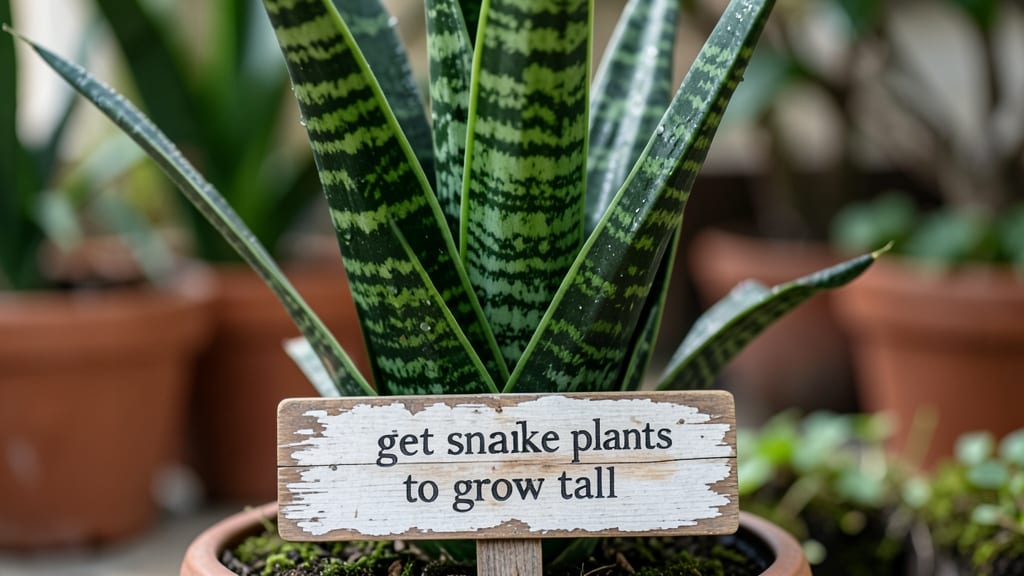
How to get snake plants to grow tall isn’t about forcing them—it’s about creating the perfect conditions for their natural upward reach. 🌱 Most growers overwater and underlight, turning their plants into squat, sad clumps instead of the dramatic vertical statements they could be. The secret to height? Bright, indirect light and dry, well-draining soil—think desert, not swamp. Water only when the soil is bone-dry, and place it where it gets 6+ hours of light daily (no dark corners!). With patience, you'll see those leaves reaching for the ceiling within 6-12 months. Here's the kicker: pruning the right way encourages new growth from the base, creating multiple tall stems. Cut back leggy leaves at the base, and you'll trigger a second flush of vertical growth—just don't expect miracles overnight. Snake plants grow slow, but they grow right when you give them what they truly need.
📚 In This Guide
- What you need
- Instructions
- Tips and common mistakes
- Wrapping up and next steps
What you need
- ○ Snake Plant (Sansevieria): Choose a healthy, mature plant (varieties like Sansevieria trifasciata or Sansevieria cylindrica work great). Optional: Start with a 6–12" tall pup (baby plant) for faster growth.
- ● Pot with Drainage: A terracotta or ceramic pot (8–12" diameter) with drainage holes. Pro tip: Avoid plastic—it retains too much moisture!
- ● Well-Draining Soil Mix: 1 part cactus/succulent soil (e.g., Miracle-Gro Cactus Soil)
- ● 1 part perlite or pumice (for aeration)
- ○ 1 part coarse sand or orchid bark (optional, for extra grit)
- ● Watering Can with Narrow Spout: A 1-gallon can with a rose attachment to avoid overwatering.
- ○ Grow Lights (Optional but Helpful): LED full-spectrum grow light (10W–20W) for indoor setups with low natural light.
- ● Adjustable light stand to position 6–12" above the plant.
- ● Bright, Indirect Light: A south- or west-facing window (or equivalent grow light setup). ⚠️ Avoid direct midday sun—it can scorch leaves!
- ● Temperature Range: Keep between 60–85°F (15–29°C). Snake plants hate cold drafts!
- ● Humidity: Average household humidity (30–50%) is perfect—no humidifier needed!
- ● Balanced Fertilizer: Diluted liquid fertilizer (e.g., 10-10-10 or 20-20-20) applied every 4–6 weeks in spring/summer.
- ○ Root Stimulator: Optional—use a seaweed extract or hydroponic solution (like Dyna-Gro Foliage Pro) for a growth kick.
- ● Support Stake (For Top-Heavy Plants): A bamboo or wooden stake (3–4 ft tall) to gently guide tall varieties.
Step-by-step instructions for growing towering snake plants
Here's how I coax snake plants into reaching their full height potential—no shortcuts, just proven care.
☀️ Step 1: Position for Bright, Indirect Light
Snake plants thrive in bright, indirect light—think east-facing windows or 2-3 feet from a south window. Direct midday sun scorches leaves, while dim corners stunt growth. You'll know your placement is perfect when leaves stay upright with a slight blue-green hue (never yellow or brown).
Rotate the pot quarter-turn weekly to prevent leaning. I notice my plants grow most vigorously when they receive 12-14 hours of light daily. If leaves start stretching (a sign of insufficient light), move closer to the window or supplement with a grow light for 14 hours daily.
🪴 Step 2: Use Fast-Draining, Mineral-Rich Soil
Snake plants despise soggy roots, so use a cactus/succulent mix with 50% perlite or pumice added for aeration. I repot mine every 2-3 years with fresh mix to prevent compaction, which slows vertical growth. The ideal soil should feel gritty when dry and drain completely within 10 minutes of watering.
Add a handful of orchid bark or worm castings to boost nutrients without increasing moisture retention. Over time, you'll see taller growth when roots spread freely in loose soil rather than struggling in dense mixes.
💧 Step 3: Water Deeply but Infrequently
Water only when the top 3-4 inches of soil feel completely dry—stick your finger in to check. I water mine every 2-3 weeks in spring/summer and every 4-6 weeks in winter. Overwatering causes root rot, which halts upward growth entirely.
When watering, soak until liquid drains from the bottom holes, then empty the saucer immediately. You'll notice taller growth when roots establish deep in the pot, seeking moisture rather than sitting in wet soil. Yellowing leaf tips? That's your signal to cut back on water.
✂️ Step 4: Prune Strategically to Encourage Height
Remove only the bottom 1-2 inches of dead or yellowed leaves with clean scissors. Never trim healthy foliage—this disrupts the plant's energy flow. I prune mine once annually in spring to redirect nutrients upward, which visibly boosts vertical growth within 3-4 months.
For leggy plants, avoid cutting back more than 20% of the foliage at once. You'll see new shoots emerging from the base within 4-6 weeks, signaling the plant is focusing energy on producing taller, stronger stems.
🌱 Step 5: Fertilize Lightly During Growing Season
Use a balanced liquid fertilizer (10-10-10) diluted to ¼ strength every 6-8 weeks from spring to fall. I skip fertilizing in winter when growth slows naturally. Over-fertilizing burns roots and stunts height—always water thoroughly before and after applying.
You'll notice taller, more vibrant growth when leaves develop a deeper green color and new shoots appear at the base. Stop fertilizing if leaves develop brown tips, a sign of salt buildup from overuse.
Tips & tricks for towering snake plants
Real talk: The difference between a snake plant that barely reaches the windowsill and one that stretches toward the ceiling comes down to these small but mighty details.
Light Strategy: That 12-14 hours of daily light isn't just a suggestion—it's the sweet spot for vertical growth. If your windowsill only gets 8-10 hours of sunlight, invest in a full-spectrum grow light positioned 6-12 inches above the plant. I've seen snake plants grow an extra 6 inches in just 3 months with proper supplemental lighting. The key is consistency: keep that light on a timer for those 14 hours daily, even if you're not home to monitor it.
Soil Science: The 50% perlite or pumice mix isn't just about drainage—it's about creating an oxygen-rich environment that encourages deep root growth. I've noticed my tallest snake plants develop when the soil stays loose and airy. Pro tip: Add a handful of chicken grit to your potting mix (about 10% by volume) for an extra boost—it mimics the natural gritty soil these plants thrive in, promoting stronger stems that support more height.
Watering Wisdom: Those top 3-4 inches of dry soil before watering might seem like a long wait, but it's what forces roots to grow deeper in search of moisture. I've seen plants that were watered weekly develop shallow root systems and struggle to support their own weight, while properly watered plants grow upright and sturdy. For extra-tall growth, try the "bottom-watering" method: place the pot in a tray of water for 10 minutes, then drain completely. This encourages roots to spread evenly throughout the pot.
Pruning Precision: When you're removing those bottom 1-2 inches of dead leaves in spring, think of it as a growth reset button. I've found that making the cut just above a leaf node (the small bump where leaves grow) encourages new shoots to emerge from that exact spot, often producing taller stems. Just be patient—those new shoots might take 4-6 weeks to appear, but they'll be worth the wait for that extra height.
Pro Tips for Get Snake Plants To Grow Tall
- Real talk: The difference between a snake plant that barely reaches the windowsill and one that stretches toward the ceiling comes down to these small but mighty details.
- Light Strategy: That 12-14 hours of daily light isn't just a suggestion—it's the sweet spot for vertical growth.
- Soil Science: The 50% perlite or pumice mix isn't just about drainage—it's about creating an oxygen-rich environment that encourages deep root growth.
Frequently asked questions
How long does it take for a snake plant to grow tall?
A snake plant grows slowly but steadily—expect 1-2 inches per year under ideal conditions. With proper care (bright, indirect light and well-draining soil), you may see noticeable height gains in 2-3 years. Patience is key!
Why is my snake plant growing wide instead of tall?
Snake plants prioritize leaf width over height when stressed. Check for:
- Low light: Move it to brighter (but indirect) light.
- Overwatering: Let soil dry completely between waterings.
- Small pots: Repot in a slightly larger container to encourage upward growth.
Can I prune my snake plant to encourage height?
Pruning isn’t necessary for height, but you can remove yellow or damaged leaves to redirect energy. Cut just above the soil line with clean scissors. Avoid trimming healthy leaves—snake plants grow best when left undisturbed.
What’s the best soil mix for tall snake plants?
A well-draining mix is critical. Combine:
- 60% potting soil
- 30% perlite or pumice
- 10% coarse sand or orchid bark
Will artificial light help my snake plant grow taller?
Yes! Use a grow light (LED or fluorescent) for 12-14 hours/day if natural light is limited. Place it 6-12 inches away to mimic sunlight. Just avoid direct heat—snake plants thrive in warmth but not scorching conditions.
Wrapping up and next steps
Growing tall, lush snake plants is all about patience, the right care, and a little green thumb love! 🌱 With the perfect balance of bright, indirect sunlight, well-draining soil, and occasional pruning, your snake plant will reach for the sky in no time.
Remember, consistency is key—small adjustments over time yield the best results.
Now that you’re armed with the secrets, give your snake plant the TLC it deserves and watch it thrive. Ready to level up? Try experimenting with different light conditions or soil mixes to see what works best for your plant’s unique growth journey! 🌟