
How To
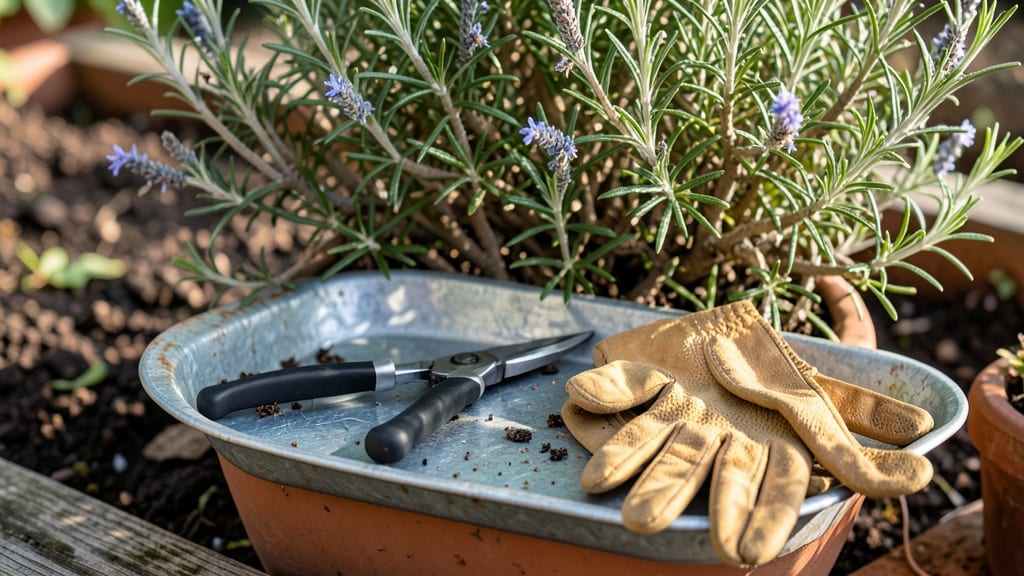
My rosemary plant looked like a sad twig until I discovered the secret to bushier growth. ✂️ The key isn't complicated—it's about timing, technique, and a little patience.
Most people over-prune or wait too long, but with the right approach, you'll see dense, fragrant foliage in just a few weeks.
Start by pinching back the tips of new growth when they're about 3-4 inches long. This encourages branching, not just vertical growth. Then, prune lightly in early spring and again after harvest to maintain shape. Avoid heavy cuts—rosemary responds better to gentle shaping than drastic trimming.
You'll notice new side shoots within 2-3 weeks, and the plant will fill out dramatically. The trick is consistency: prune regularly, but never more than one-third of the plant at a time. Too much too soon stresses rosemary, and it can become leggy again.
Bonus tip: Use well-draining soil and place your rosemary in full sun (at least 6-8 hours daily). These two factors make all the difference in keeping it lush and healthy. Once you master this, your rosemary will be the envy of the neighborhood—no more sad, sparse stems!
📚 In This Guide
- What you need
- Instructions
- Tips and common mistakes
- Wrapping up and next steps
What you need
- ● Rosemary plant: A healthy, mature rosemary bush (upright or trailing varieties work best). Pro tip: If your plant is leggy or sparse, it’s a perfect candidate for this makeover! 🌱
- ○ Pruning shears: Sharp, clean bypass pruners (avoid dull or anvil shears—they crush stems). Optional: Small hand pruners for finer trimming.
- ● Gloves: A pair of gardening gloves (nitrile or leather) to protect your hands from prickly stems.
- ● Watering can or hose: With a gentle spray nozzle for post-pruning hydration.
- ○ Balanced fertilizer: A 10-10-10 or 20-20-20 NPK fertilizer (or organic options like compost or fish emulsion). Optional: Slow-release granules for convenience.
- ● Rake or small broom: To clear fallen debris after pruning.
- ● Sunlight: Ensure your rosemary gets 6–8 hours of full sun daily—pruning works best when the plant is thriving.
- ● Well-draining soil: Rosemary hates soggy roots! If potted, use a mix with sand or perlite.
- ● Timing: Prune in early spring or after flowering (avoid harsh winters or extreme heat).
- ● Patience: Bushier growth takes 4–6 weeks to show—consistency is key! ✨
Tips & tricks for pruning and pinching rosemary
Took me years to figure out the subtle cues that turn leggy rosemary into a fragrant, dense bush—here’s what nobody tells you.
Pruning Precision: When cutting back those one-third leggy branches in Step 1, always make your cuts at a 45-degree angle just above a leaf node. This small detail prevents water from pooling on the cut and encourages faster regrowth. I learned this the hard way after watching pruned stems rot instead of sprout. Use clean pruners every time—dull blades crush stems, inviting disease.
Pinching Technique: In Step 2, focus on removing only the very top set of leaves when pinching. The goal is to eliminate the apical bud—the growth hormone center—without damaging the side buds below. I often see beginners pinch too deeply, which can stress the plant. For best results, pinch when new growth is about 2-3 inches long, giving your rosemary enough energy to branch out.
Root Care: The root trimming in Step 3 deserves special attention. When repotting, gently loosen the root ball before trimming the outer roots by one-quarter. This shock treatment forces the plant to redirect its energy upward. I’ve seen rosemary plants that were root-bound for years finally flourish after this simple step. Use well-draining soil and a pot with drainage holes—rosemary hates soggy feet.
Seasonal Timing: While the instructions mention spring and summer, I’ve found that early fall pruning (before the first frost) can give your rosemary a head start for next year’s growth. Just avoid heavy pruning in late fall or winter when the plant is dormant. The 4-6 week intervals work perfectly for spring through summer, but extend to 6-8 weeks in fall for a gentler approach.
Pro Tips for Make Rosemary Bushier
- Took me years to figure out the subtle cues that turn leggy rosemary into a fragrant, dense bush—here’s what nobody tells you.
- Pruning Precision: When cutting back those one-third leggy branches in Step 1, always make your cuts at a 45-degree angle just above a leaf node.
- Pinching Technique: In Step 2, focus on removing only the very top set of leaves when pinching.
Frequently asked questions
Got questions about growing a fuller rosemary bush? Here are some of the most common ones—and their answers!
How often should I pinch rosemary to encourage bushiness?
Pinch rosemary lightly every 4–6 weeks during the growing season (spring to early fall). Avoid overdoing it—too much pinching can stress the plant. Focus on new growth tips to promote branching. If you’re new to rosemary care, start with once a month and adjust based on how it responds!
Can I prune rosemary in winter?
It’s best to avoid heavy pruning in winter since rosemary is semi-dormant. Light trimming to remove dead or damaged branches is fine, but save major shaping for early spring (before new growth starts). Cold snaps can stress the plant, so wait until temperatures stabilize—usually after the last frost.
What if my rosemary looks leggy after pruning?
Leggy rosemary is a sign it needs more light and balanced pruning. Move it to a sunnier spot (6+ hours of direct sun daily) and pinch the topmost sets of leaves to encourage side shoots. If it’s already late in the season, focus on watering consistently (but not overwatering) and fertilizing lightly with a balanced, diluted fertilizer.
Can I propagate cuttings from my bushier rosemary?
Take 4–6 inch cuttings from healthy, non-flowering stems. Remove lower leaves, dip in rooting hormone (optional), and place in well-draining soil or water. Keep in bright, indirect light and mist occasionally. Roots should form in 2–4 weeks—then transplant to a pot or garden!
Why won’t my rosemary bush out after pruning?
Several factors could be at play: overwatering (rosemary hates soggy soil), poor drainage, or lack of sunlight. Check your soil—it should dry out between waterings. Also, ensure you’re pruning just above a leaf node (not bare stems) and using clean, sharp shears. If the problem persists, test for pests or disease (like root rot or spider mites).
Wrapping up and next steps
Transforming your rosemary into a lush, bushier plant is simpler than you think! By mastering pruning and pinching techniques, you’ll encourage dense growth and vibrant foliage—no green thumb required. 🌿 With patience and consistency, your rosemary will thrive, rewarding you with fragrant, full bushes perfect for cooking or landscaping.
Ready to take the next step? Start small: pick a few stems to prune this weekend, and watch your rosemary flourish over time. Happy gardening!