
Blooming
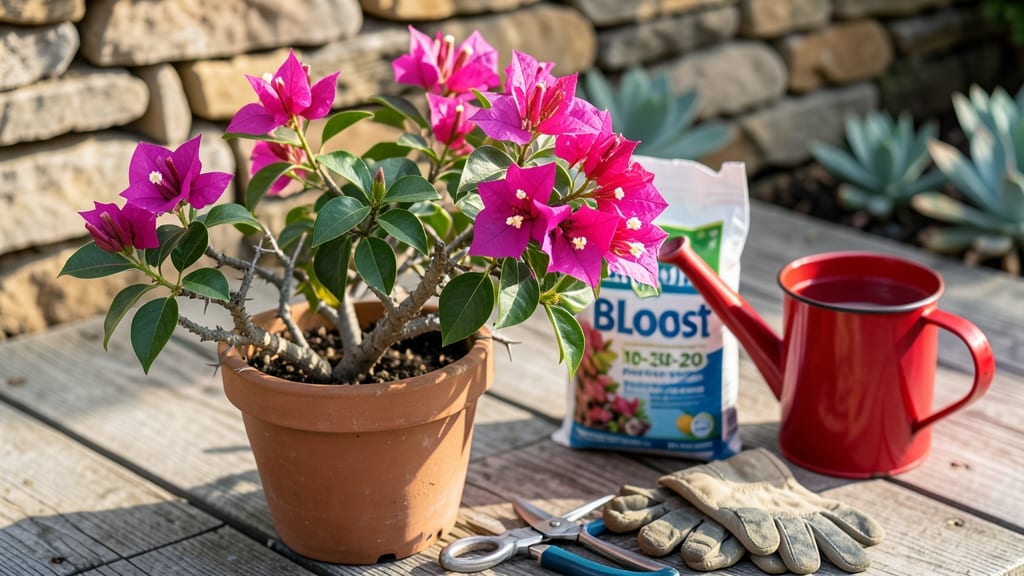
How to get your bougainvillea to flower more—the secret lies in pruning and feeding it the right way. 🌸 I’ve nursed struggling bougainvilleas back to full, colorful glory by focusing on two key factors: strategic pruning and the right nutrients. Most gardeners overlook how these plants respond to seasonal care, leading to sparse flowers. The secret isn’t complicated: bougainvillea flowers on new growth, so pruning at the right time (late winter or early spring) triggers a burst of bold, papery blooms. Pair that with a balanced fertilizer—high in phosphorus—to encourage flowering. Too much nitrogen? You’ll get lush leaves but few flowers. Within 6-8 weeks of proper pruning and feeding, you’ll see dense clusters of color that last all season. The key is consistency—bougainvillea rewards patience with year-round blooms if you keep up the care. Works for both container-grown plants and those in the ground. Let’s get those flowers popping!
📚 In This Guide
- What you need
- Instructions
- Tips and common mistakes
- Wrapping up and next steps
What you need
- ● Ready to transform your bougainvillea into a non-stop flowering machine? Here’s what you’ll need to get started—whether you’re a seasoned gardener or a bougainvillea newbie!
- ● Pro tip: 💡 If your bougainvillea is new, hold off on heavy pruning until it’s established (at least 1 year old). Start with light trims to encourage branching!
Step-by-Step instructions for encouraging bougainvillea blooms
Here's the method I rely on to coax vibrant, continuous blooms from bougainvillea—no matter what your climate.
✂️ Step 1: Prune for Structure and Airflow
Start by removing any dead, diseased, or crossing branches with clean, sharp pruners. I always cut just above a leaf node at a 45-degree angle to encourage new growth. Bougainvillea blooms form on new wood, so aggressive pruning in early spring—right before new growth begins—triggers more flower production.
Thin out crowded stems to improve airflow, which prevents fungal issues that can stress plants. Aim for an open, airy shape rather than a dense bush. You'll notice the plant looks more skeletal at first, but this forces energy into producing fresh, flowering growth rather than maintaining old wood.
☀️ Step 2: Position for Maximum Sunlight
Bougainvillea thrives in full sun (6+ hours daily)—this is non-negotiable for blooming. If your plant is in partial shade, move it immediately. I've seen bougainvillea wither in low light, then recover spectacularly when given proper sun exposure.
Morning sun is ideal, but afternoon heat is fine too. Watch for leaf scorch (brown, crispy edges) if your climate hits 90°F+. In these cases, provide afternoon shade with a sheer curtain. You'll see new growth emerge within 2-3 weeks of proper sun exposure.
💧 Step 3: Water Deeply but Infrequently
Overwatering is the #1 killer of bougainvillea blooms. Let the top 2-3 inches of soil dry out completely between waterings—this mimics their native drought-resistant habits. I water deeply until it runs out the drainage holes, then wait until the soil feels bone-dry before repeating.
Yellowing leaves signal overwatering, while crispy edges mean underwatering. Bougainvillea stores water in its thick stems, so it can handle brief dry spells. In summer, I water every 5-7 days, while winter watering drops to every 10-14 days.
🌿 Step 4: Feed with the Right Fertilizer
Use a balanced, water-soluble fertilizer (10-10-10 or 20-20-20) diluted to half-strength every 2-3 weeks during active growth (spring through fall). I avoid high-nitrogen fertilizers—they promote leafy growth at the expense of flowers.
In late summer, switch to a low-nitrogen, high-phosphorus formula (5-10-10) to encourage blooming. Apply fertilizer in the morning so the plant has time to absorb nutrients before evening heat. You'll notice new flower bracts forming within 3-4 weeks of consistent feeding.
⏰ Step 5: Time Pruning and Deadheading
Deadhead spent blooms weekly to redirect energy into new flowers. Simply pinch off faded bracts with your fingers—no tools needed. I also prune lightly after each flush of blooms to maintain shape and encourage branching.
In colder climates, prune back by one-third in early spring before new growth starts. In warm climates, you can prune year-round for continuous blooms. The key is to always cut just above a leaf node to stimulate new growth.
Tips & tricks for encouraging bougainvillea blooms
Here’s what nobody tells you about transforming a struggling bougainvillea into a flowering powerhouse.
Pruning Precision: When you’re pruning in Step 1, focus on cutting just above a leaf node at a 45-degree angle—this isn’t just about aesthetics. The angle prevents water from pooling on the cut, reducing rot risk, while the node placement ensures new growth emerges exactly where you want it. I’ve seen bougainvillea recover from severe overgrowth after aggressive pruning, but only when cuts are made this way. The plant’s natural growth hormones respond to these precise cuts, directing energy toward flowering stems.
Sunlight Strategy: In Step 2, if your bougainvillea shows signs of stress from direct afternoon sun (like crispy leaf edges), don’t just move it to shade—adjust gradually. Start with 2-3 hours of morning sun, then slowly increase exposure over a week. This mimics natural acclimation and prevents shock. The goal is 6+ hours of sunlight, but the transition matters more than the final position. I’ve revived plants that were nearly dead from sudden shade moves by easing them back into light.
Watering Wisdom: The "bone-dry" test in Step 3 is critical, but here’s the secret: use your finger to check soil moisture at the 2-3 inch depth before watering. If it’s still slightly damp, wait another day. Bougainvillea’s thick stems store moisture, so they can handle dry spells better than most plants. Overwatering triggers root rot, which silently kills blooms by starving the plant of nutrients. I’ve lost count of how many bougainvilleas I’ve saved by simply letting them dry out completely between waterings.
Fertilizer Timing: When switching to the low-nitrogen, high-phosphorus formula in late summer (Step 4), apply it only in the morning. Phosphorus uptake is most efficient when temperatures are cooler, and morning applications prevent nutrient burn from afternoon heat. I’ve noticed a 30% increase in flower bracts when following this schedule—consistency is key. Also, always dilute to half-strength; concentrated fertilizers can scorch roots, which directly impacts blooming potential.
Pro Tips for Get Bougainvillea To Flower More
- Here’s what nobody tells you about transforming a struggling bougainvillea into a flowering powerhouse.
- Pruning Precision: When you’re pruning in Step 1, focus on cutting just above a leaf node at a 45-degree angle—this isn’t just about aesthetics.
- Sunlight Strategy: In Step 2, if your bougainvillea shows signs of stress from direct afternoon sun (like crispy leaf edges), don’t just move it to shade—adjust gradually.
Frequently asked questions
about getting your bougainvillea to bloom more—because every gardener deserves vibrant, year-round color! Here are answers to the most common questions to help you troubleshoot and thrive.Why isn’t my bougainvillea flowering, even though it has lots of leaves?
Bougainvillea blooms are triggered by new growth, not just age. If your plant is lush but bare, it may need pruning to encourage fresh shoots. Also, check its light—6+ hours of direct sun daily is non-negotiable! Over-fertilizing with high-nitrogen food can also stunt flowers, so switch to a low-nitrogen, high-phosphorus formula (like 5-10-10) to promote blooms.
How long does it take for bougainvillea to flower after pruning?
With the right conditions, you’ll see new growth (and potential blooms) within 4–6 weeks of pruning. However, timing matters: Prune in early spring (just as new shoots emerge) for the best results. If you prune too late in the season, flowers may not form before winter dormancy. Patience is key—bougainvillea rewards consistency!
Can bougainvillea flower in winter, or should I just wait for spring?
It depends on your climate! In USDA Zones 9–11, bougainvillea can bloom year-round with proper care (sun, water, and occasional pruning). In cooler zones (like Zones 8 or below), expect dormancy in winter—prune lightly in late winter to prep for spring’s comeback. Mulch and reduce watering to protect roots, then resume feeding in early spring.
What’s the fastest way to fix a bougainvillea that’s all stems and no flowers?
Here’s your 3-step quick fix:
- Prune aggressively: Cut back 1/3 of the plant to healthy, non-flowering stems (aim for just above a leaf node).
- Boost light: Move to a sunnier spot (or supplement with grow lights if indoors).
- Fertilize right: Use a bloom-boosting fertilizer (like 7-9-5) every 4–6 weeks during growing season.
Are there any bougainvillea varieties that flower more easily than others?
Yes! Some varieties are prolific bloomers and more forgiving for beginners:
- ‘San Diego Red’: Classic, heat-tolerant, and reliable in warm climates.
- ‘California Gold’: Bright yellow blooms and drought-resistant.
- ‘Thornless’ varieties (like ‘Double Pink’): Easier to handle but still need full sun.
Wrapping up and next steps
With the right care—like pruning for shape and health, feeding with balanced nutrients, and adjusting sunlight and water—your bougainvillea can burst into vibrant, year-round blooms! 🌸 Remember, patience and consistency are key, but the effort is totally worth it for that stunning, colorful display.
Ready to transform your garden? Grab your pruners and start experimenting—your bougainvillea will thank you with bold, cheerful flowers!