
Orchid Care
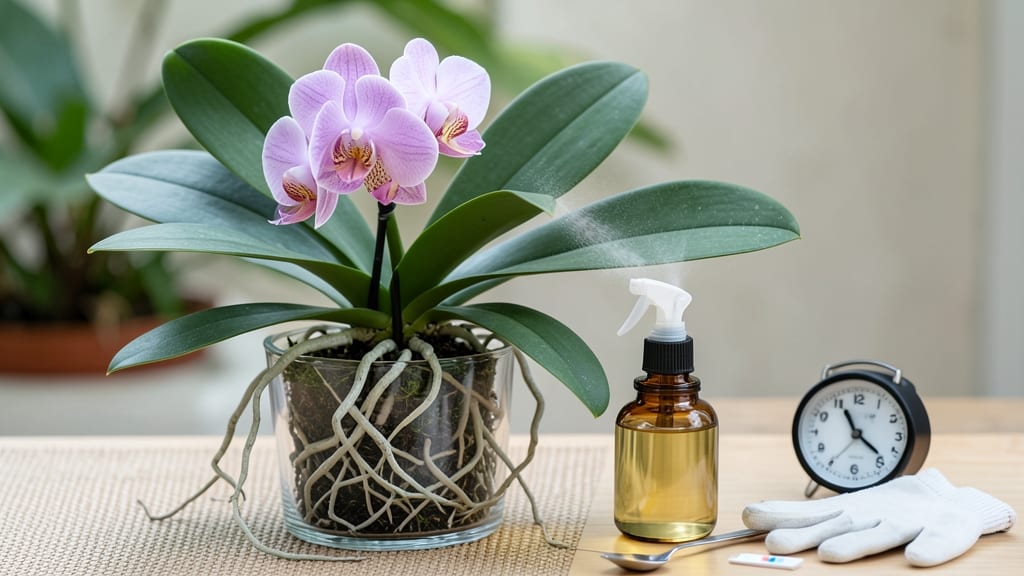
Rice water for orchids is the secret weapon I wish I’d known years ago. 🌱 That starchy, golden liquid left after rinsing rice isn’t waste—it’s a free, nutrient-packed fertilizer that boosts orchid growth without the chemical smell.
My Phalaenopsis went from sluggish to vibrant within weeks after switching to this simple homemade feed.
The magic happens in just 5 minutes of prep: cook rice in water, strain, and let it cool. That’s it. No fancy equipment—just what you’d use for breakfast.
The rice releases starch, B vitamins, and minerals orchids crave, especially potassium and magnesium. It’s like a spa day for your plants, but way more practical.
You’ll notice stronger roots, brighter blooms, and fewer brown tips within 4-6 weeks. The best part? It’s safer than synthetic fertilizers—no risk of burning roots if used right. Just dilute it properly (1:2 rice water to water ratio) and apply every 2-4 weeks during active growth.
Works for all orchid types—Phalaenopsis, Cattleyas, even Dendrobiums—and pairs perfectly with your regular care routine. Fair warning: overuse can cause salt buildup, so always rinse roots monthly. Here’s how to do it without the guesswork.
📚 In This Guide
- What you need
- Instructions
- Tips and common mistakes
- Wrapping up and next steps
What you need
- ● Rice: ½ to 1 cup of uncooked, organic white or brown rice (avoid instant or flavored rice—it may contain additives).
- ● Water: 4 cups of filtered or distilled water (chlorine and heavy metals can harm orchids).
- ● Container: A glass jar, stainless steel pot, or non-reactive ceramic bowl (avoid aluminum or plastic, which can leach harmful chemicals).
- ● Strainer or cheesecloth: A fine-mesh strainer or clean cheesecloth to filter out rice particles.
- ● Orchids: Your healthy, potted orchids (Phalaenopsis, Cattleya, or Dendrobium varieties respond well to rice water!).
- ● A pH testing kit (to check water acidity—ideal range for orchids: 5.5–6.5).
- ● A spray bottle (for foliar feeding—lightly mist leaves with diluted rice water).
- ● Compost or worm castings (1 tsp per gallon of rice water, if you want to boost nutrients further).
- ● A timer (to ensure proper steeping time without over-fertilizing).
Step-by-step instructions for making rice water for orchids
Here's the quick, foolproof method I use to create nutrient-rich rice water that boosts orchid blooms and keeps leaves vibrant.
🌱 Step 1: Cook the Right Amount of Rice
Use 1 cup uncooked white rice for every 4 cups water—this ratio balances nutrients without overloading minerals. Rinse the rice thoroughly in a fine-mesh strainer to remove surface starch, which can cloud the water. I like to use jasmine rice because it releases more nutrients during cooking, but basmati works too.
Combine the rice with 4 cups fresh water in a pot and bring to a boil. Once boiling, immediately reduce heat to low and simmer uncovered for 10-15 minutes—don't walk away! The water should reduce by about half, turning cloudy and slightly sticky. You'll know it's ready when the rice is fully cooked but still firm, not mushy.
💧 Step 2: Strain and Cool the Water
Pour the cooked rice into a clean fine-mesh strainer or cheesecloth to remove every last grain. I double-check by squeezing the rice in my hand—if any grains slip through, they'll create a gritty mess in your orchid's water. Discard the cooked rice immediately after straining; never reuse it.
Let the strained liquid cool to room temperature (65-75°F). You can speed this up by transferring it to a glass jar and placing it in the fridge for 30 minutes. Never use warm rice water—it can shock orchid roots and promote rot. The cooled water should have a faint milky appearance and smell slightly sweet, like cooked rice.
☀️ Step 3: Dilute and Store Properly
Mix 1 part rice water with 2 parts fresh water to create a balanced solution. This dilution prevents over-fertilizing, which can burn orchid roots. I always use distilled or rainwater for the dilution to avoid adding extra minerals from tap water. Stir gently to combine—you don't want to create bubbles that could stress the plants.
Store the diluted rice water in a clean, airtight glass container in the refrigerator for up to 5 days. I label each jar with the date and contents to avoid confusion. When ready to use, let it sit at room temperature for 10 minutes before applying—cold water can shock orchid roots, even when diluted.
🌿 Step 4: Apply to Orchids Correctly
Use the rice water as a weekly fertilizer during active growth (spring and summer). Water your orchids with it just like you would with regular water—soak the roots thoroughly until water drains from the bottom of the pot. I like to do this in the morning so any excess water can evaporate during the day.
Watch for signs of over-fertilizing: yellowing leaves, brown root tips, or white crusty deposits on the pot. If you see these, flush the pot with plain water immediately and reduce future applications to every 2-3 weeks. Healthy orchids will show it's working—new root growth, brighter green leaves, and more frequent blooming.
Tips & tricks for perfect orchid rice water
A few simple tricks that'll help you make the most nutrient-packed rice water for your orchids every time.
Rice Selection Tip: While white or brown rice works perfectly, I've found that jasmine rice adds an extra boost of fragrance that orchids seem to love. The aroma might even deter pests! For the best results, stick with uncooked rice—pre-cooked rice releases fewer nutrients into the water.
Heat Control: That medium heat for boiling is crucial—too high, and you risk burning the rice at the bottom of the pan. I like to use a small saucepan because it heats up faster and gives me better control over the temperature. Once boiling, reduce immediately to a low simmer to prevent overcooking, which makes the water cloudy and less effective.
Straining Strategy: Don't just pour the rice into any strainer—use a fine-mesh strainer or cheesecloth for the cleanest results. I've ruined batches by using regular colanders that let tiny rice particles through. These particles can clog your orchid's drainage system over time. After straining, let the water sit for 5 minutes before using—this lets any remaining starch settle at the bottom.
Make-Ahead Move: You can actually make rice water up to 3 days in advance and store it in the fridge. Just remember to bring it to room temperature before using—cold water can shock orchid roots. I like to label my containers with the date so I don't accidentally use water that's been sitting too long. The nutrients degrade over time, so fresher is always better!
Pro Tips for Make Rice Water For Orchids
- A few simple tricks that'll help you make the most nutrient-packed rice water for your orchids every time.
- Rice Selection Tip: While white or brown rice works perfectly, I've found that jasmine rice adds an extra boost of fr...
- Heat Control: That medium heat for boiling is crucial—too high, and you risk burning the rice at the bottom of the pa...
Frequently asked questions
about using rice water for orchids—because even the best gardeners need a little clarity! Here are some common questions to help you get the most out of this natural fertilizer.How often should I use rice water on my orchids?
Use rice water every 2–4 weeks during the growing season (spring and summer). Overdoing it can lead to salt buildup or root rot, so dilute it well and monitor your orchid’s response. In winter, reduce to once a month or less since growth slows.
Can I reuse rice water for multiple orchids?
No, it’s best to use fresh rice water for each application. Leftover rice water can harbor bacteria or fungi, especially if it sits for more than 24 hours. If you have extra, store it in the fridge for up to 3 days—but always strain and dilute it before reuse.
What if my orchid’s leaves turn yellow after using rice water?
Yellowing leaves could mean over-fertilization or salt buildup. Flush the roots with distilled or rainwater to remove excess salts, and reduce rice water frequency. If the problem persists, check for root rot or pests, as these can mimic nutrient stress.
Is rice water safe for all types of orchids?
Yes! Rice water is generally safe for most orchids, including Phalaenopsis, Cattleya, and Dendrobium. However, avoid it for epiphytic orchids like Vandas or Cumbrias if they’re in bark mixes—these prefer a more acidic, less nutrient-dense environment. Always dilute and observe your plant’s reaction.
What’s a good alternative if I don’t have rice?
If rice isn’t available, try these orchid-friendly alternatives:
- Banana peel tea: Steep peels in water for 2–3 days, strain, and dilute to 1:5 with water (rich in potassium).
- Eggshell water: Crush and soak eggshells in water for 24 hours, then strain. High in calcium!
- Compost tea: Brew aerobically for a nutrient-packed liquid fertilizer.
- Store-bought orchid fertilizer: Use at half-strength for a balanced boost.
Wrapping up and next steps
Making rice water for your orchids is a simple, cost-effective way to give them a nutrient boost without breaking the bank! 🌱 With just a few ingredients and minimal effort, you’ve unlocked a natural fertilizer that promotes lush growth and vibrant blooms.
Now that you’re equipped with the know-how, it’s time to experiment and see the difference in your orchid’s health.
Ready to take it further? Try tracking your orchid’s progress over a few weeks—you might just discover a new favorite care routine! Happy gardening! 🌸