
How To
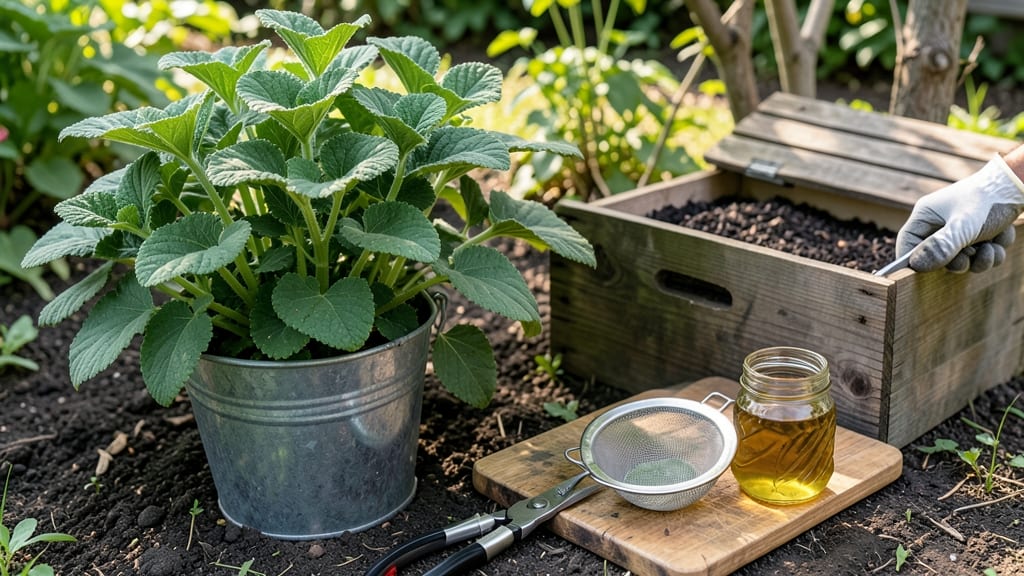
Making comfrey tea turns garden weeds into liquid gold. 🌱 This nutrient-packed brew strengthens plants, deters pests, and boosts soil fertility—all from leaves you might otherwise pull. The process is simpler than you’d think, and the results speak for themselves after just one application.
You’ll need fresh comfrey leaves (about 2 cups), a large bucket, and a breathable cloth or old pillowcase. No fancy equipment—just what’s already in your garden shed. The tea steeps for 24-48 hours, releasing minerals like potassium, phosphorus, and nitrogen that feed your plants naturally.
Safety note: comfrey contains alkaloids, so always wear gloves and dilute the tea before use.
After steeping, strain the liquid and dilute it 1:1 with water for foliar sprays or 1:10 for soil drenches. The scent is earthy and rich, signaling your garden’s health is about to get a serious upgrade.
Use it weekly during growing seasons, and watch your plants thrive without synthetic fertilizers.
Works for vegetables, flowers, and even houseplants—just adjust dilution based on plant sensitivity. Overwatering? Not with this. It’s a zero-waste, high-reward garden hack that turns weeds into a powerhouse tool. Ready to brew?
📚 In This Guide
- What you need
- Instructions
- Tips and common mistakes
- Wrapping up and next steps
What you need
- ● Comfrey leaves: Fresh: 1–2 cups (harvested from organic plants, never from roadsides or contaminated soil).
- ● Dried: 1–2 tablespoons (store-bought or home-dried, finely chopped for faster infusion).
- ● Water: 1–2 cups (8–16 oz) of filtered or spring water (avoid tap water with high chlorine).
- ● Heat source: Stovetop kettle, electric teapot, or slow cooker (for large batches).
- ● Infusion vessel: Glass jar, enamel pot, or French press (to strain leaves easily).
- ● Strainer or cheesecloth: Fine-mesh strainer or muslin cloth to filter out plant fibers.
- ○ Optional flavor boosters: Honey or maple syrup (1 tsp) to sweeten.
- ● Lemon juice (½ tsp) for vitamin C.
- ● Cinnamon stick or ginger (¼ tsp) for warmth.
- ● Positive plant ID: Confirm leaves are Symphytum officinale (comfrey) and not look-alikes (e.g., foxglove). Use a field guide or consult a herbalist.
- ● Harvesting rules: Avoid leaves from flowering plants (focus on young, tender growth).
- ● Wear gloves if you have sensitive skin (comfrey can cause irritation in some).
- ● Storage: Fresh leaves last 3–5 days in the fridge; dried leaves keep 1–2 years in an airtight container.
Step-by-Step instructions for harvesting and brewing comfrey tea
Here's my foolproof method for turning your comfrey leaves into a potent, nutrient-rich garden tonic.
🌿 Step 1: Harvest Mature Leaves at Peak Potency
Select only the largest, most robust leaves from the outer growth of your comfrey plant—these contain the highest concentration of beneficial compounds. I avoid harvesting from the center of the plant, as this can stunt new growth. Use clean, sharp scissors or pruning shears to snip leaves just above a leaf node, leaving about 1/3 of the leaf intact to encourage regrowth.
Harvest on a dry morning after the dew has evaporated but before the sun reaches its peak intensity. Comfrey leaves wilt quickly in direct sunlight, which reduces their quality for tea. Aim for 2-3 cups of fresh leaves per quart of water—this ratio ensures a strong infusion without bitterness. Store harvested leaves in a breathable paper bag or mesh container in the refrigerator until ready to use.
💧 Step 2: Prepare and Steep the Leaves
Fill a large pot with 4 cups of filtered water and bring to a gentle boil. While the water heats, tear or chop the comfrey leaves into 1-inch pieces—smaller pieces release more nutrients during steeping. Add the leaves to the pot and immediately remove from heat, allowing the water to steep off the stove for 4-6 hours (or overnight for maximum potency).
I like to cover the pot loosely with a lid or cloth during steeping to retain heat and prevent dust contamination. The longer you steep, the stronger the tea—but don't exceed 12 hours, as this can turn the infusion bitter. You'll know it's ready when the water takes on a deep green hue and a slightly earthy aroma.
⏰ Step 3: Strain and Store for Later Use
Strain the infusion through a fine-mesh sieve or cheesecloth, pressing gently on the leaves to extract every last drop of liquid. Discard the spent leaves—composting them returns their remaining nutrients to your garden. For immediate use, dilute the concentrated tea with water at a 1:1 ratio before applying to plants.
To store for later, pour the strained tea into clean glass jars or bottles, leaving about 1 inch of headspace at the top. Seal tightly and store in a cool, dark place. Properly stored comfrey tea retains its potency for up to 3 months. The tea will darken slightly over time, which is normal and indicates continued nutrient concentration.
🌱 Step 4: Apply to Your Garden for Maximum Benefit
Use your comfrey tea as a foliar spray or soil drench, depending on your plants' needs. For foliar application, dilute the tea with water at a 1:3 ratio and spray on leaves in the early morning or late evening to avoid leaf burn. This method is ideal for combating pests like aphids and spider mites—comfrey's high potassium and allantoin content strengthens plant defenses.
For soil application, use the tea undiluted as a liquid fertilizer, applying 1 quart per 10 square feet of garden bed. Water deeply afterward to help the nutrients penetrate the root zone. I apply comfrey tea every 2-4 weeks during the growing season, always alternating between foliar and soil applications to maximize benefits without overloading the plants.
Tips & tricks for perfect comfrey tea
Turning comfrey leaves into a garden tonic doesn't have to be guesswork—these insights will help you maximize potency and avoid common pitfalls.
The Harvest Factor: Never harvest comfrey leaves after rain or when they're wet—they'll mold quickly in storage. I always check for dew in the morning and wait until leaves are completely dry to the touch. The outer leaves are your goldmine for nutrients, so focus your harvest there while leaving the center intact to keep your plant thriving.
Steeping Science: The 4-6 hour steeping window in Step 2 is critical for extracting allantoin and other beneficial compounds. For maximum potency, I use a heatproof glass jar instead of a metal pot during steeping—it retains heat better and prevents oxidation. If you're short on time, 6 hours gives you the strongest infusion without bitterness, while overnight (up to 12 hours) works beautifully if you're making a large batch.
Storage Wisdom: That 1-inch headspace in your storage jars isn't just for show—it prevents oxidation and mold growth. I also add a drop of vegetable glycerin (optional) to the tea before sealing to help preserve its potency longer. Store jars in the darkest part of your pantry or basement where temperatures stay cool and consistent. The slight darkening you'll notice over time is completely normal and indicates continued nutrient concentration.
Application Strategy: When using comfrey tea as a foliar spray in Step 4, always test a small area first—some plants with sensitive leaves might react to the concentrated nutrients. I've found that alternating between foliar sprays and soil applications every 2-4 weeks gives my garden the most balanced benefits without overwhelming the plants. The 1:3 dilution ratio is perfect for most vegetables, but delicate herbs like basil might prefer a 1:4 ratio to avoid stressing their leaves.
Pro Tips for Make Comfrey Tea
- Turning comfrey leaves into a garden tonic doesn't have to be guesswork—these insights will help you maximize potency and avoid common pitfalls.
- The Harvest Factor: Never harvest comfrey leaves after rain or when they're wet—they'll mold quickly in storage.
- Steeping Science: The 4-6 hour steeping window in Step 2 is critical for extracting allantoin and other beneficial compounds.
Frequently asked questions
Got questions about making comfrey tea?
You’re not alone! Here are answers to the most common queries—from prep tips to troubleshooting—so you can brew with confidence.
Can I use dried or fresh comfrey leaves for tea?
Both work, but fresh leaves pack more potency. For tea, use 1–2 tbsp of fresh (finely chopped) or 1 tsp of dried leaves per cup. Dried leaves keep longer and are easier to store—just steep them 5–10 minutes longer (vs. 3–5 minutes for fresh). Pro tip: If using fresh, crush the leaves slightly to release more beneficial compounds!
How long should I steep comfrey tea for the best results?
Steep time matters! For a mild, digestible tea, steep fresh leaves for 3–5 minutes or dried leaves for 5–10 minutes. Oversteeping (beyond 15 mins) can increase pyrrolizidine alkaloids (PAs)—compounds to limit in high doses. Troubleshooting: If it tastes bitter, reduce steep time or use less leaf.
Is comfrey tea safe during pregnancy or for long-term use?
Comfrey is not recommended for pregnant/breastfeeding individuals or long-term use (beyond 4–6 weeks) due to PA content, which may stress the liver. Opt for short-term use (1–2 weeks) and consult a healthcare provider if you have liver conditions or take medications. Alternatives: Try plantain or marshmallow root tea for similar soothing effects.
Can I grow comfrey at home, and how do I harvest it?
Comfrey thrives in most climates and spreads easily. Harvest leaves (not roots) in the morning after dew dries (peak nutrient time!). Cut stems just above a leaf node to encourage bushier growth. Avoid harvesting from roadsides—soil contamination is a risk. Storage tip: Dry leaves in a dark, airy space or freeze them for later use.
What does comfrey tea taste like, and how can I improve the flavor?
Expect a earthy, slightly bitter taste with herbal undertones—similar to spinach or a mild green tea. To mask bitterness, mix with:
- Sweetener: Honey or maple syrup (1 tsp per cup).
- Flavor boost: Add cinnamon, ginger, or lemon balm.
- Creaminess: A splash of oat or almond milk.
What if my comfrey tea smells or tastes off?
Off flavors or smells (musty, sour, or ammonia-like) signal spoilage. Discard immediately—comfrey tea shouldn’t smell like rotten eggs or have a sharp, chemical tang. Prevention: Store dried leaves in an airtight container away from light/moisture, and use fresh leaves within 24 hours of harvesting.
Wrapping up and next steps
Making comfrey tea at home is a simple yet rewarding way to harness nature’s healing power right from your garden! 🌿 Whether you’re soothing sore muscles, supporting skin health, or boosting overall wellness, this versatile herb offers a natural remedy with minimal effort.
Now that you know how to prepare it safely and effectively, why not experiment with recipes or share this gift of the earth with friends and family?
Ready to dive deeper? Try growing your own comfrey patch—it’s hardy, fast-growing, and a garden staple for herbal enthusiasts! 🌱 Your next sip of wellness could be just a few steps away.