
Size
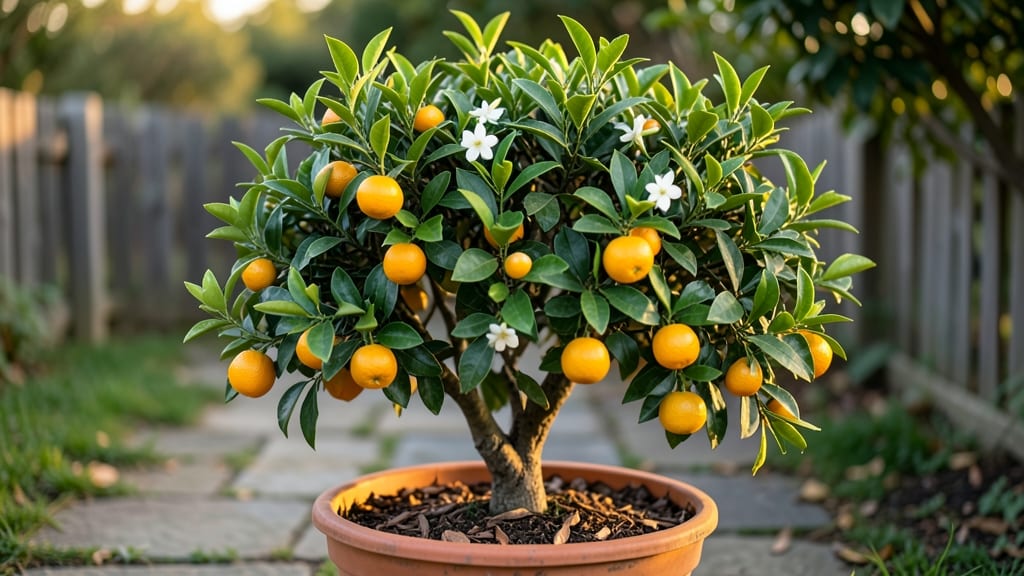
Sweet citrus in your backyard—how to grow satsuma trees without Florida’s heat. 🌱 These hardy varieties thrive where most citrus fails, and I’ve grown mine through three winters (with a few frost scars to prove it).
The key? Choosing the right variety, protecting tender branches, and giving them the right conditions from day one.
You’ll need a sunny spot with well-draining soil, a 5-gallon container for young trees, and patience—these grow slowly but reward you with easy-to-peel fruit by year three. Satsumas handle cooler temps than oranges, but they still need winter protection in zones 7 and below.
The secret? A thick mulch and temporary cover when frost threatens.
By summer, you’ll watch glossy leaves unfurl and tiny white flowers perfume the air. Prune in late winter to shape the tree and improve airflow, and fertilize lightly in spring. The first harvest might be small, but each year brings more fruit and fewer surprises—if you follow these steps.
Perfect for containers or in-ground planting, these trees adapt well to urban spaces. Here’s how to set yours up for success without the common pitfalls—like overwatering or frost damage—that trip up new growers.
📚 In This Guide
- What you need
- Instructions
- Tips and common mistakes
- Wrapping up and next steps
What you need
- ● Satsuma tree seedlings or grafted trees: Choose cold-hardy varieties like Owari or Brown Select (1-3 trees for home gardens).
- ● Well-draining soil: Mix 50% citrus soil (or sandy loam) + 50% compost (1-2 cubic yards per tree).
- ● Pot or planting hole: For container growing: 15–25 gallon pot (minimum 18" diameter) with drainage holes.
- ● For ground planting: Dig a hole twice as wide as the root ball, 2–3" deeper.
- ● Fertilizer: Citrus-specific fertilizer (e.g., 6-6-6 NPK ratio) – 1 lb per tree (spring/fall).
- ● Iron sulfate or chelated iron (for chlorosis prevention, 1 tbsp/month in growing season).
- ● Mulch: 2–3 inches of wood chips or straw (keep 6" away from trunk).
- ● Drip irrigation or hose: Slow-drip system (1–2 gallons per tree daily in summer).
- ● Pruning shears: Bypass pruners (sharp, clean, for shaping and deadwood removal).
- ○ Support stakes (optional):** 3–4 ft bamboo stakes + soft ties (for young trees).
- ● USDA Zones 7–10: Satsumas tolerate light frost (down to 15°F with protection).
- ● Full sun: 6–8+ hours daily (south-facing spot ideal).
- ● Windbreak: Fencing or shrubs (to protect from cold winds).
- ● pH 6.0–7.0: Test soil and amend with lime if needed.
- ● Citrus spray (copper fungicide) – For melanose or scab prevention.
- ● Thermometer/humidity monitor – Track microclimate for frost alerts.
- ● Pollination aid: Small paintbrush (if hand-pollinating in cold zones).
- ● Harvest basket – Because nothing beats 🍊🍊🍊 picking your own!
Step-by-Step instructions for growing satsuma trees
Here's the straightforward method I've used to grow thriving satsuma trees in my own yard—no fancy equipment needed.
🌱 Step 1: Choose the Right Location and Planting Time
Satsumas need full sun (at least 6-8 hours daily) and protection from harsh winds. I plant mine in late spring or early fall when temperatures are 60-80°F—this gives roots time to establish before summer heat. If you live in a colder zone, wait until after the last frost date.
Dig a hole twice as wide as the root ball but only as deep. The top of the root ball should sit 1-2 inches above ground level—this prevents water from pooling around the trunk. Amend the native soil with 2-3 inches of compost mixed into the bottom of the hole for better drainage.
☀️ Step 2: Plant and Water Deeply
Remove the satsuma from its container and gently loosen any circling roots. Place it in the hole so the root flare is visible above the soil line. Backfill with the amended soil, tamping lightly every 6 inches to eliminate air pockets. Water deeply until the soil is 6-8 inches wet—you'll know it's right when water runs out the bottom of the hole.
Mulch around the base with 2-3 inches of organic mulch (like wood chips), keeping it 3 inches away from the trunk. This helps retain moisture and regulate soil temperature. Avoid over-mulching—too much can suffocate roots and attract pests.
💧 Step 3: Water Consistently and Monitor Soil
Satsumas need 1-1.5 inches of water weekly, but check the soil first—water when the top 2-3 inches feel dry. I use a soaker hose to water slowly at the base, avoiding wetting the leaves to prevent fungal diseases. Young trees need more frequent watering (every 3-4 days in hot weather), while established trees can go 7-10 days between waterings.
Watch for yellowing leaves—this usually means overwatering. If the soil feels soggy, hold off until it dries out. Satsumas are drought-tolerant once established, but they won’t produce fruit if stressed.
✂️ Step 4: Prune for Shape and Health
Prune in late winter or early spring before new growth starts. Remove dead, diseased, or crossing branches first—these are easy to spot. Then, shape the tree by cutting back overlapping branches to improve airflow. I aim for an open center so sunlight reaches all parts of the tree.
Never prune more than 25% of the tree at once—this can stress it. Use clean, sharp pruners and make cuts just above a leaf node (where new growth can sprout). Seal larger cuts with pruning sealant to prevent disease entry.
🍊 Step 5: Fertilize and Prepare for Harvest
Feed young satsumas with a balanced citrus fertilizer (like 6-6-6) in early spring and mid-summer. Follow the package rates—over-fertilizing burns roots. Once the tree is 3-5 years old, switch to a low-nitrogen, high-potassium fertilizer (like 3-1-2) to encourage fruiting.
Harvest when the fruit is deep orange and slightly soft to the touch—usually fall or winter, depending on your climate. Twist gently to remove; don’t pull or the stem may tear. Store in a cool, dry place for up to 2 weeks or refrigerate for longer shelf life.
Tips & tricks for perfect satsuma tree growth
Here's what nobody tells you about growing these cold-hardy citrus trees—tricks that'll help you avoid common pitfalls and get fruit faster.
Sunlight Secret: While satsumas need that full sun, don't assume every sunny spot is equal. Morning sun is gentler than harsh afternoon rays, especially in hot climates. I position my trees to catch the morning sun first, then afternoon shade—this prevents leaf scorch while still giving them their required 6-8 hours. If you notice yellowing leaves in summer, try moving the tree to a slightly shadier spot for a few hours each afternoon.
Soil Prep Strategy: That 2-3 inches of compost in Step 1 isn't just for drainage—it's about creating the right texture. Satsumas prefer well-draining soil that still holds moisture. I mix in equal parts compost and native soil to create a loose, crumbly texture. For heavy clay soil, add perlite or coarse sand to improve aeration. The goal is soil that feels like a damp sponge—not compact or muddy.
Watering Wisdom: The 1-1.5 inches weekly guideline is ideal, but timing matters just as much. Water in the morning so leaves dry quickly—this prevents fungal diseases. I set my soaker hose for 20-30 minutes every other morning, then check the top 2-3 inches of soil. If it's dry, water again. The key is consistency: satsumas hate having wet feet but also can't handle drought stress.
Pruning Pro Tip: When shaping your tree in Step 4, focus on creating that open center, but don't forget about upward growth. Remove any branches growing straight up—they'll compete with the main canopy for sunlight. I also cut back any suckers growing from the base, as they drain energy from fruit production. Always make clean cuts just above a leaf node to encourage new growth in the right direction.
Pro Tips for Grow Satsuma Trees
- Here's what nobody tells you about growing these cold-hardy citrus trees—tricks that'll help you avoid common pitfalls and get fruit faster.
- Sunlight Secret: While satsumas need that full sun, don't assume every sunny spot is equal.
- Soil Prep Strategy: That 2-3 inches of compost in Step 1 isn't just for drainage—it's about creating the right texture.
Frequently asked questions
Got questions about growing your own Satsuma trees? You’re not alone! Here are answers to the most common concerns—from timing to troubleshooting—so you can grow citrus with confidence.
How long does it take for a Satsuma tree to bear fruit?
A young Satsuma tree typically takes 3–5 years to produce fruit, depending on care, climate, and variety. Owari Satsumas (the most common) often fruit earlier than Brown Select or Okitsu types. Patience pays off—healthy trees reward you with sweet, seedless citrus!
Can I grow a Satsuma tree in a pot, or does it need to be planted in the ground?
Yes! Satsuma trees thrive in large containers (15+ gallons) for 2–3 years before transplanting. Use well-draining soil, ensure the pot has drainage holes, and move it indoors (or to a garage) when temps drop below 20°F (-7°C). Just avoid over-potting—root-bound trees struggle.
Why aren’t my Satsuma tree leaves turning green, or they’re yellowing?
Yellow or pale leaves often signal nutrient deficiencies (like nitrogen or iron) or overwatering. Check soil moisture—roots need aeration. For yellowing between veins, test for chlorosis (common in alkaline soil) and amend with chelated iron. Brown edges? It might be underwatering or salt buildup from tap water.
Do Satsuma trees need cross-pollination, or can a single tree produce fruit?
Great news: Satsumas are self-pollinating! A single tree will produce fruit without needing another nearby. However, for better yields, plant two trees (even if they’re the same variety). Bees and wind help, but the tree handles the rest.
What’s the best way to protect my Satsuma tree from frost or cold winters?
Satsumas are cold-hardy (down to 15°F/-9°C), but young trees or unexpected freezes need help. Wrap the trunk in burlap, cover with frost cloth, or use a Christmas tree as a windbreak. Move potted trees indoors or to a sheltered spot. Mulch the base to insulate roots.
Can I grow Satsuma trees from seed, or should I buy a grafted tree?
While you can grow from seed, it’s not recommended—seed-grown trees take 10+ years to fruit and may not match the parent’s flavor or traits. Buy a grafted nursery tree (like Owari) for faster, reliable fruit. Seedlings are fun for experiments, but grafted trees are the way to go for harvests!
Wrapping up and next steps
Growing your own Satsuma trees is a rewarding journey that brings sweet, seedless citrus to your doorstep with minimal fuss! 🌱 With the right location, care, and patience, you’ll enjoy luscious harvests in just a few years.
Whether you’re a beginner or a seasoned gardener, these tips will help you nurture a thriving tree—and maybe even share the bounty with neighbors.
Ready to take the next step? Start with a healthy sapling (or seed!) and watch your backyard transform into a mini citrus grove. Happy growing! 🍊✨