
How To
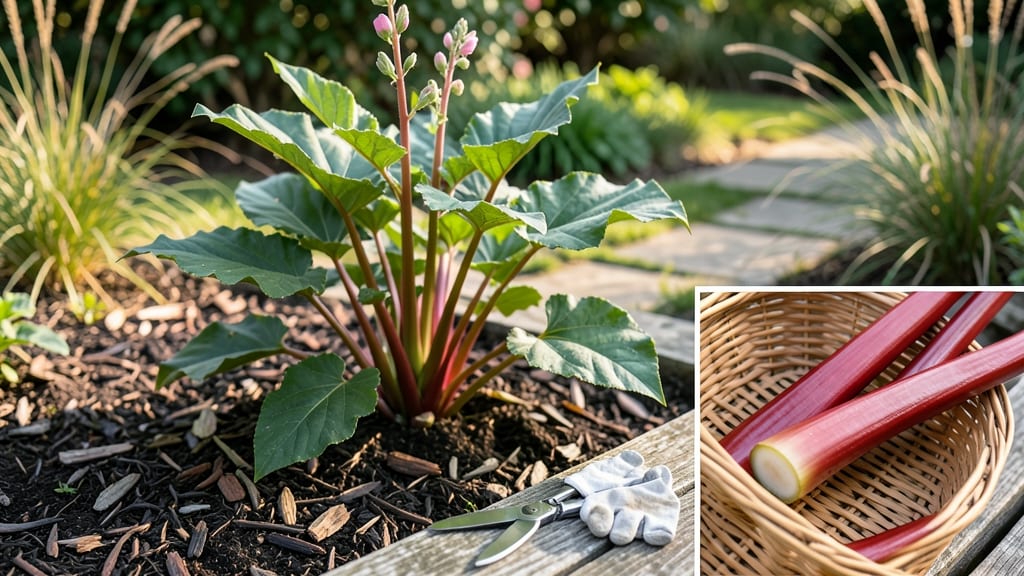
How to know when to pick rhubarb can turn your garden into a treasure trove of tart-sweet stalks—or leave you with tough, disappointing harvests. The difference often comes down to three simple checks: color, size, and texture, all of which signal peak flavor and tenderness.
If you're new to growing 🌱 rhubarb in Zone 6a, you might be tempted to harvest as soon as stalks appear, but patience pays off. Wait until stalks reach about 10-12 inches long and develop a deep, vibrant hue—whether that's rich red or bright green, depending on your variety.
This is your first clue that the plant is ready to share its bounty.
Don't just go by size, though—run your thumb along a stalk to check for firmness. The ideal rhubarb should snap cleanly when bent, not bend like a rubber band.
A woody or fibrous texture means it's not ready yet, and harvesting too early can stress the plant and reduce future yields.
Here's the game-changer: timing matters beyond just size and color. Early spring harvests (May-June) in Zone 6a deliver the sweetest flavor, and picking in the morning ensures the best texture.
I'll show you how to balance these factors so you never miss the perfect moment—or overharvest and risk weakening your plant.


3 Color and texture signs your rhubarb is ready for harvesting
When your rhubarb stalks reach the perfect balance of color, size, and texture, you’re just days away from a harvest that’ll make your pies shine. But how do you tell if they’re truly ready?
The key lies in three simple checks: stalk thickness, color vibrancy, and firmness. Skipping these cues can leave you with woody, underdeveloped stalks—or worse, a plant that struggles to recover.
First, let’s talk about stalk thickness. Ready-to-harvest rhubarb should measure at least 1 inch in diameter. If you’re holding a stalk thinner than your thumb, it’s not quite time. Thin stalks often taste bland and tough because they haven’t developed enough sugar storage.
Think of it like waiting for a tomato to ripen—patience pays off with flavor. For peak tenderness, aim for stalks that are 10-12 inches long and feel substantial when you grip them.
Use your thumb as a guide—thicker = sweeter!
Red varieties: bright crimson; green: rich emerald
Bend a stalk—it should snap, not bend or tear
The color of your rhubarb is your next clue. Ready stalks should boast a deep, uniform hue—think vibrant crimson for red varieties or rich emerald green for green types. Pale or splotchy stalks? They’re not mature enough.
Color develops as the stalks store more anthocyanins (the compounds that give red rhubarb its signature hue) and sugars. Pro tip: Morning sunlight enhances color intensity, so harvest on a sunny morning for the most striking stalks.
Here’s where many gardeners go wrong: they rely on stalk length alone. A 12-inch stalk that’s still woody or fibrous won’t taste great, no matter how long it is. That’s why the snap test is non-negotiable.
Grasp a stalk near the base and bend it gently—if it snaps cleanly (like a fresh celery stalk), it’s ready. If it bends without breaking or feels rubbery, give it another 1-2 weeks.
This test tells you whether the cell structure has softened enough for that prized tender crunch.
Don’t overlook the leaf attachment either. Healthy rhubarb leaves should be fully unfurled and vibrant, not curled or yellowing. The leaves act as the plant’s energy factories, and if they’re struggling, the stalks won’t develop properly.
A quick check: Run your fingers along the stalk-leaf junction. It should feel smooth, not rough or fibrous. Roughness often signals immature growth or stress.
One common mistake is harvesting too many stalks at once. Rhubarb plants are perennial, and over-picking can weaken them. As a rule, never remove more than one-third of the stalks in a single harvest.
For a first-year plant, be even more conservative—limit yourself to 2-3 stalks to avoid stunting growth. Think of it like pruning a rose bush: you want to encourage more blooms (or in this case, more stalks) next season.
Seasoned gardeners swear by the "finger press test" for texture. Press your thumb into a stalk—it should yield slightly, like a ripe avocado. If it feels hard as a board, it’s premature. Overly soft stalks?
That’s a sign of over-maturity, which can lead to a mushy texture and diluted flavor. The sweet spot is when the stalk feels firm yet yielding, like the perfect peach.
For red rhubarb varieties like ‘Strawberry’ or ‘Victoria’, aim for stalks with a deep magenta blush. Green varieties like ‘Green Stem’ should have a uniform, glossy green appearance.
If you’re growing striped rhubarb, the pink and green stripes should be bold and even. Uneven striping can indicate nutrient imbalances or inconsistent sunlight.
Finally, trust your taste buds. If you’re unsure, pick a few stalks and sample them raw (yes, really!). Ready rhubarb has a mildly tart, crisp flavor.
Underripe stalks taste bitter and fibrous, while overripe ones can be watery and bland. This little test is your ultimate quality control—no guesswork needed.
Pro move: Mark your harvest calendar based on these cues. In USDA Zone 6, rhubarb typically hits peak harvest in late May to early June, but your local climate can shift this by 1-2 weeks.
Keep an eye on your stalks, and you’ll always know when to reach for those sharp pruners—just be sure to cut 1 inch above the leaf to avoid damaging the plant.
3 Color and texture signs your rhubarb is ready for harvesting
Rhubarb stalks reveal their ripeness through three key visual and tactile cues. Ignoring these signs often leads to woody, bitter stalks instead of the tender harvest you want. Let’s break down what to look for—starting with the most obvious clue.
First, check the stalk thickness. Ready-to-harvest rhubarb should measure at least 1 inch in diameter (about the width of your thumb). Thin stalks are still maturing and will be tough and stringy when cooked. Pro tip: Use your fingers to gauge thickness—no ruler needed!
Next, examine the color intensity. Mature rhubarb develops a deep, uniform hue—whether red, pink, or green—with no pale or yellowing sections. Varieties like 'Victoria' turn vibrant pink, while 'Cherry' rhubarb stays green but darkens. A dull color signals overripe or sun-stressed stalks.
Finally, perform the snap test: Gently bend a stalk near the base. If it snaps cleanly with minimal force, it’s ready. Resistance means it’s still woody and immature. This test works even for first-time growers—no experience needed!
Harvesting too early? You’ll end up with fibrous, underdeveloped stalks that ruin pies and compotes. Wait until all three signs align for peak sweetness and texture. Pro move: Mark your calendar for late May to early June in most climates.
Remember: The leaves stay attached during harvest—they’re toxic, so never eat them! Cut stalks at a 45-degree angle about 1 inch above the crown to encourage regrowth. Now you’re ready to pick like a pro!