
Pruning
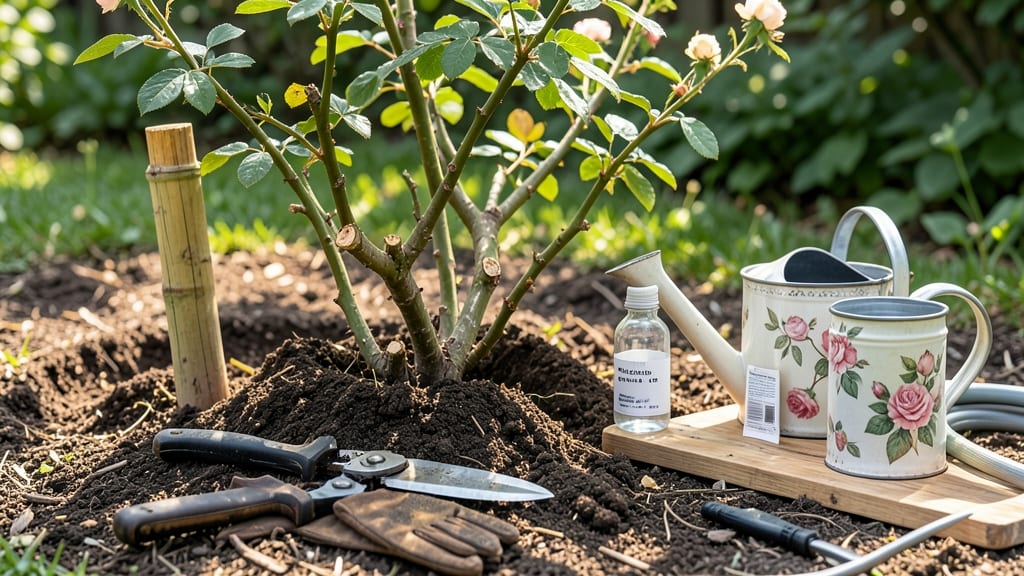
Cutting back your rose bush isn't just pruning—it's a chance to rejuvenate it for next season's showstopping blooms. ✂️ I've watched my own roses go from leggy and sparse to lush and productive after a proper replanting cut, and the secret isn't in fancy tools but in understanding exactly where to make those cuts.
The best time to replant is late winter or early spring, when the plant is still dormant but about to wake up. You'll need sharp pruners, rubbing alcohol for sterilizing, and a fresh spot in your garden with well-draining soil.
The key move? Cutting back one-third to one-half of the plant's height to encourage new growth from the base.
What you'll end up with is a bush that looks like it just got a haircut—neater, fuller, and ready to put all its energy into producing more flowers and stronger stems.
The first flush of blooms might be smaller, but by mid-summer, your roses will be bursting with color and fragrance like never before.
This method works for both hybrid teas and shrub roses, though older bushes might need more aggressive pruning. The payoff? Roses that live longer, bloom bigger, and require less maintenance. Here's how to do it without killing your plant in the process.
📚 In This Guide
- What you need
- Instructions
- Tips and common mistakes
- Wrapping up and next steps
What you need
- ● Pruning shears or loppers – Sharp, clean, and bypass-style (for clean cuts). Choose 10-12 inch loppers for thicker stems.
- ● Hand pruners – For smaller branches (½ inch or less in diameter). Bypass pruners are ideal.
- ● Gloves – Heavy-duty gardening gloves to protect against thorns and dirt.
- ● Disinfectant (70% isopropyl alcohol or bleach solution) – To sterilize tools between cuts and prevent disease spread.
- ○ Garden twine or zip ties – For temporarily securing large branches if needed (optional but helpful).
- ● Shovel or spade – A sturdy digging tool for replanting (choose a 12-14 inch spade for ease).
- ● Compost or well-aged manure – 1-2 gallons to enrich the replanting hole.
- ○ Mulch (optional but recommended) – 2-3 inches of organic mulch (e.g., wood chips or straw) to retain moisture.
- ● Choose the right time – Prune in late winter or early spring (before new growth) for best results.
- ● Check the weather – Avoid pruning if rain is forecasted within 24 hours to prevent soil erosion.
- ● Assess the rose bush – Look for dead, diseased, or crossing branches to target during pruning.
- ● Clear the workspace – Remove weeds, debris, or obstacles around the bush for easy access.
Tips & tricks for perfect rose bush pruning and replanting
These little-known tricks will help you avoid common mistakes and give your rose bush the best chance to thrive after replanting.
Timing is Everything: The 4-6 week window before your last frost isn't just about avoiding cold—it's also about giving your rose time to establish new roots before summer heat stress. I've found that replanting in early spring (around late March to early April in most zones) gives roots 6-8 weeks to settle before the hottest months. If you're in a warmer climate, aim for fall replanting instead—just avoid the first frost.
Pruning Precision: In Step 2, when you're making those 45-degree cuts, here's what nobody tells you: The outward-facing bud is your guide for future growth direction. If you're unsure which way the bud faces, gently bend the stem—you'll see the bud's "eye" (the tiny slit) pointing toward where new growth will emerge. This small detail makes all the difference in creating an open, airy bush structure that prevents disease.
Root Care Matters: During Step 3, when inspecting roots, pay special attention to the root ball's shape—it should be compact and firm. If roots are spreading outward in all directions, gently fold them inward before replanting. This creates a more concentrated root system that establishes faster. I've seen roses with roots splayed out take twice as long to recover compared to those with neatly folded root balls.
Post-Replanting Checklist: After you've planted (Step 5), here's what I do next: I mark the stem's original height with a flag or ribbon before mulching. This helps me monitor growth—any new growth above this line means roots are establishing properly. If you don't see new growth within 3-4 weeks, it might be time to check for root rot or other issues.
Pro Tips for Cut A Rose Bush To Replant
- These little-known tricks will help you avoid common mistakes and give your rose bush the best chance to thrive after...
- Timing is Everything: The 4-6 week window before your last frost isn't just about avoiding cold—it's also about givin...
- Pruning Precision: In Step 2, when you're making those 45-degree cuts, here's what nobody tells you: The outward-faci...
Frequently asked questions
Got questions about cutting and replanting your rose bush? You’re not alone! Here are some of the most common concerns—and their straightforward solutions—to help you prune like a pro.
When is the best time to cut and replant a rose bush?
The ideal window is late winter or early spring (before new growth starts), but you can also replant in early fall. Avoid pruning in summer or fall—this stresses the plant and invites pests. If you must replant outside the ideal time, do it on a cool, overcast day to reduce shock.
How do I know if I’m cutting the rose bush at the right height?
For most roses, aim to cut back one-third to half of the plant’s height. Look for outward-facing buds (they’ll grow into branches) and make cuts just above them at a 45-degree angle. If your bush is leggy, trim more aggressively—just avoid cutting into old wood (no green center).
Can I replant a rose bush in the same spot after cutting it down?
While possible, it’s not recommended long-term. Roses deplete soil nutrients, and replanting in the same hole risks disease or poor growth. Instead, move it 3–4 feet away or to a new location with fresh, well-draining soil. If space is tight, amend the original soil with compost or organic matter before replanting.
What should I do if my rose bush looks sad after replanting?
Don’t panic! Wilting or yellowing leaves are normal for 1–2 weeks as the plant adjusts. To help it recover:
- Water deeply but infrequently (1–2 inches per week).
- Avoid fertilizing for 4–6 weeks to reduce stress.
- Mulch around the base to retain moisture.
- If leaves turn black or mushy, you may have root rot—check drainage immediately.
Can I divide a mature rose bush instead of cutting it down?
Dividing is tricky for most roses (they’re not like perennials), but climbing roses or shrub roses can sometimes be separated if they’ve grown into a thicket. Dig up the bush, gently tease apart roots, and replant sections with 3–4 healthy canes each. Success rates are low, so pruning and replanting whole is usually safer.
Wrapping up and next steps
You’ve got everything you need to revitalize your rose bush and give it a fresh start! Remember, the key is timing, clean cuts, and patience—your efforts will soon reward you with lush, vibrant blooms.
Now that you’re armed with pruning know-how, take that next step: watch your rose bush thrive as you nurture it back to full health.
🌱 Pro Tip: Keep an eye on your replanted rose over the next few weeks. Light, consistent watering and a little extra love will set the stage for a blooming masterpiece next season!