
How To
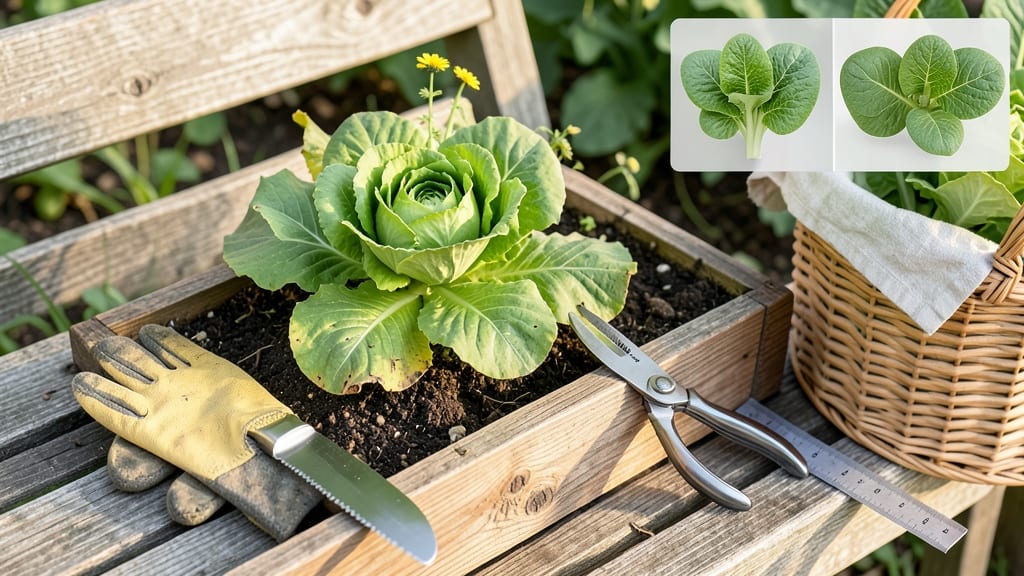
How to know when to pick lettuce is the secret to crisp, flavorful greens that make every salad worth eating—and waiting too long ruins everything. That first bitter bite or wilted texture happens when you miss the perfect harvest window, and it’s easier to avoid than you think.
The key lies in three simple leaf checks that tell you exactly when your lettuce is ready. You don’t need a gardening degree—just your eyes and fingers.
I’ll show you how to spot the ideal moment, whether you’re growing head lettuce or loose-leaf varieties, and why timing matters more than you realize.
Seasonal shifts can throw off even experienced gardeners, but I’ll break down how to adjust for spring and fall harvests. Learn the common mistakes that turn good lettuce into sad, wilted scraps—and how to stretch your harvest season for maximum freshness.
By the end, you’ll never second-guess whether your lettuce is ready again. Let’s get those salads tasting their best—no guesswork required.


3 Visual leaf checks to determine lettuce harvest readiness
Timing your lettuce harvest is an art that balances leaf maturity, flavor intensity, and crisp texture. One day too early, and you’ll have underdeveloped leaves; one day too late, and you risk bitter bolting or limp, wilted greens.
The key lies in three simple visual checks that reveal when your lettuce is begging to be picked. Whether you’re growing butterhead, romaine, or loose-leaf varieties, these cues apply universally.
First, focus on leaf size—this is your most reliable indicator. For head lettuce varieties, aim for a firm, closed head that’s about 4-6 inches in diameter. Loose-leaf types should have leaves that are 4-6 inches long and fully unfurled.
Smaller leaves mean the plant still needs time to develop its full sweetness and crunch, while oversized leaves often signal the plant is transitioning to bolting.
Next, examine the color intensity of your lettuce. Vibrant, deep hues—whether rich green, deep red, or buttery yellow—are a hallmark of peak ripeness. Pale or uneven coloring can indicate nutrient deficiencies or stress, often caused by inconsistent watering or too much direct sun.
If the outer leaves are noticeably darker than the inner ones, it’s time to harvest before the plant diverts energy to flowering.
Finally, test the texture and firmness of the leaves. Ready-to-harvest lettuce should feel crisp and sturdy when gently squeezed. If the leaves bend easily or feel rubbery, they’ve likely been overwatered or left in the heat too long.
Conversely, leaves that are still tender and pliable need more time to develop their signature snap. Pro tip: Harvest in the morning when moisture levels are optimal for the best texture.
🌱 3 Key Harvest Checks
- Leaf Size: 4-6" long for loose-leaf, 4-6" diameter for heads
- Color: Deep, vibrant hues (no pale or mottled patches)
- Texture: Firm, crisp leaves that resist bending
💡 Pro Tip: Harvest outer leaves first to extend the plant’s life and encourage regrowth.
One common mistake gardeners make is waiting until the lettuce bolts—that’s when it sends up a tall, bitter-tasting flower stalk. This happens when days get longer or temperatures rise, especially in spring or fall transitions.
To avoid this, monitor your lettuce’s growth rate and harvest before you see the first signs of a tall stalk emerging from the center. If you do spot bolting, pull the entire plant and use the leaves immediately in recipes that can handle a slightly bitter flavor.
For loose-leaf varieties, you can actually harvest continuously by picking the outer leaves first. This method lets you enjoy a steady supply while the inner leaves keep growing. Just be sure to leave at least 2-3 inches of growth at the base so the plant can regenerate.
Head lettuce, on the other hand, should be harvested all at once when the head is fully formed. Cut the entire head 1 inch above the soil to avoid damaging the roots.
Seasonal factors play a huge role in harvest timing. In cool spring or fall weather, lettuce matures faster and stays crisp longer. But during hot summer months, it can bolt in as little as 30 days.
To combat this, use shade cloth or plant in partial shade and harvest frequently. If you’re growing in containers, choose compact varieties like Little Gem or Buttercrunch, which mature quickly and are less prone to bolting.
Pay attention to the growth pattern of your lettuce plants. Healthy lettuce grows in a compact, upright manner with leaves radiating outward. If you notice the plant stretching or leaning, it’s likely reaching for more light, a sign it’s ready to bolt.
This is your cue to harvest immediately. Conversely, if the plant looks stunted or leggy, it might be underwatered or overcrowded, and you’ll need to adjust your care routine before proceeding with harvest.
Remember, the earlier you harvest, the more tender and flavorful your lettuce will be. Don’t wait until the leaves are too large or bitter—trust your eyes and hands to guide you.
With these three checks, you’ll never again guess whether your lettuce is ready for the cutting board. Now, grab your shears and enjoy that fresh, homegrown crunch! 🥬
3 Visual leaf checks to determine lettuce harvest readiness
Knowing exactly when to harvest your lettuce can feel tricky, but focusing on three key visual cues will help you avoid bitter, overmature leaves or underdeveloped greens.
The leaf size, color intensity, and texture firmness all signal whether your lettuce is ready for the table—or still needs time to grow.
For head lettuce varieties like romaine or iceberg, timing is especially critical.
These types form a compact head, and harvesting too early means a loose, underdeveloped center, while waiting too long results in a tough, bitter core. Loose-leaf varieties, on the other hand, offer more flexibility since you can pick outer leaves as they mature, allowing the plant to keep producing.
Here’s how to check your lettuce’s readiness using these three simple visual cues:
One common mistake is waiting until the entire plant looks perfect before harvesting. Instead, for loose-leaf varieties, pick outer leaves when they reach 3-4 inches—this encourages regrowth and extends your harvest window.
For head lettuce, cut the entire head at once when the outer leaves are fully formed.
Pay attention to the plant’s growth pattern too. If your lettuce starts sending up a tall, thin stalk (bolting), it’s past its prime. This often happens in hot weather or when days grow longer, so plan your harvest before temperatures rise above 75°F (24°C).
Pro tip: Harvest in the morning when leaves are crispest. Use a sharp knife to cut just above the soil line for head lettuce, or snip individual leaves for loose-leaf types.
Rinse gently and store in a plastic bag with a paper towel to keep them fresh for up to a week.