
How To
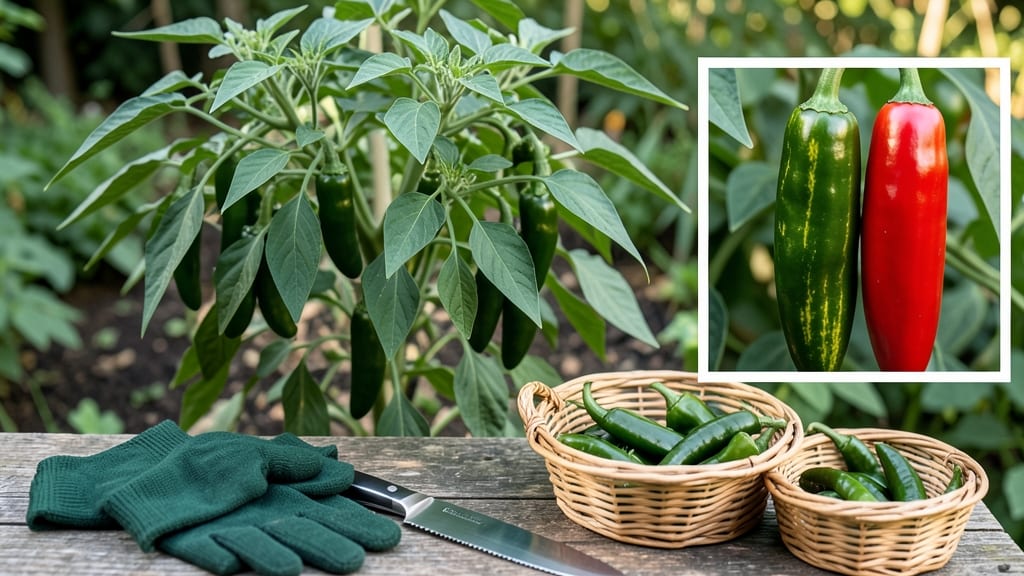
How to know when to pick a jalapeño 🌶️ can make the difference between a fiery, flavorful harvest and wasted effort. The right moment isn’t just about size—it’s about color, firmness, and even how the pepper feels when you touch it.
If you’ve ever plucked a jalapeño too early (mild and rubbery) or too late (overripe and bitter), you know timing matters. I’ll show you exactly what to look for—from glossy skin to the perfect snap at the stem—to ensure you’re harvesting at peak flavor and heat.
Whether you’re growing in USDA Zone 6a or another climate, these cues apply year-round. By July, your plants should be bursting with potential, but waiting until October could mean missing the sweet spot.
Let’s break down the 3 key checks that’ll transform your jalapeño game—so you never second-guess harvest time again.


Jalapeño ripening stages: what color means for flavor and heat
Jalapeños go through distinct ripening stages, each affecting their flavor, heat level, and ideal harvest window. Understanding these stages helps you pick peppers at peak quality. The journey starts with green, unripe jalapeños and can progress to red, yellow, or even purple depending on the variety.
When jalapeños are fully green and firm, they’re typically harvested for fresh eating or pickling. This stage offers a milder heat (2,500–5,000 SHU) and a crisp texture.
However, if left on the plant, they’ll continue ripening into red or yellow, which intensifies their sweetness and heat (up to 8,000 SHU).
Here’s how color directly impacts your harvest decisions:
| Stage | Color | Heat Level (SHU) | Best For | Harvest Tip |
|---|---|---|---|---|
| Early Green | Bright green | 2,500–5,000 | Pickling, fresh eating | Pick when 2–3 inches long |
| Mature Green | Darker green, glossy | 5,000–8,000 | Salsas, grilling | Harvest before color shifts |
| Ripe (Red/Yellow) | Red, yellow, or purple | 8,000+ | Drying, sauces | Wait for full color change |
The capsaicin content, which gives jalapeños their heat, increases as they ripen. Green jalapeños have less capsaicin concentrated in their seeds and membranes, while red or yellow varieties distribute it more evenly. This means ripe peppers pack a more balanced heat throughout the pepper.
If you’re growing milder jalapeño varieties, like ‘Early Jalapeño’ or ‘Big Jim’, you might prefer harvesting them while still green. However, hotter varieties, such as ‘Red Jalapeño’ or ‘Poblano’, develop their full potential when left to ripen to red or yellow.
Always check your plant’s variety description for specific ripening expectations.
One common mistake is assuming all jalapeños must ripen to red. Some varieties, like ‘Serrano’, stay green but become hotter. Pay attention to size and firmness alongside color—these are your best indicators of readiness.
Pro tip: Morning harvests work best because jalapeños absorb water overnight, making them firmer and easier to handle. Use clean, sharp scissors or pruners to avoid damaging the plant.
🌱
Firmness and size: the physical cues that confirm jalapeño readiness
When it comes to jalapeños, size and firmness are your best friends for determining readiness. A ripe jalapeño should feel firm but slightly yielding when gently pressed—like a ripe avocado, not a soft squash.
If it dents under pressure, it’s overripe and past its prime. For size, aim for 3–6 inches long, though smaller peppers (2–3 inches) can still be flavorful if fully colored.
Never judge a jalapeño by its stem alone—some gardeners mistakenly think a green stem means unripe, but this is only true if the pepper is tiny (<2 inches).
A mature stem should snap cleanly when bent, signaling it’s ready for harvest. This tactile check is especially useful for green jalapeños, which can stay ripe without turning red.
Watch for glossy skin—a telltale sign of ripeness. Dull or wrinkled peppers are either underripe or overripe. If the skin feels waxy or slightly sticky, that’s another green flag.
Overripe peppers often develop a leathery texture or even crack open, which means they’ve lost their peak heat and flavor.
⚠️ Common Mistakes to Avoid
- Picking too early: Small (<2 inches) or soft peppers lack flavor and heat. Wait for full size (3–6 inches).
- Ignoring firmness: Overripe peppers feel mushy—like a squashed stress ball. Harvest before they reach this stage.
- Assuming color = readiness: Some varieties stay green but are fully ripe. Always check size + firmness first.
For continuous harvests, pick jalapeños every 2–3 days during peak season (July–October). This encourages the plant to produce more peppers. Use clean, sharp pruners or your fingers to twist them off—never yank, or you’ll damage the plant.
If the stem snaps easily but the pepper is still small, wait another day or two.
Pro tip: Morning harvests work best because peppers are cooler and firmer. Avoid picking after heavy rain, as excess moisture can make them slippery and prone to bruising. Store freshly picked jalapeños in the fridge for up to 2 weeks to preserve their heat and crispness.
If you’re unsure whether a pepper is ready, err on the side of waiting. Underripe jalapeños won’t improve off the plant, but overripe ones can turn bitter or mealy. Trust your fingers and eyes—they’re your best tools for perfect peppers!