Picking
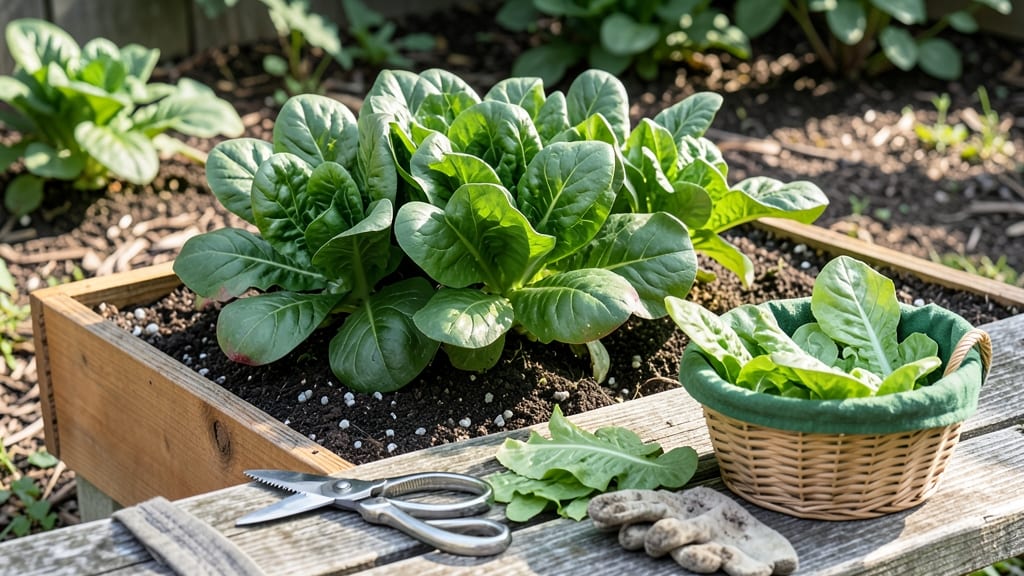
How to harvest lettuce without killing the plant—it’s all about precision and patience. 🌱 The cut-and-come-again method preserves your plant’s health while giving you fresh, crisp greens for weeks—no regrowth stress required. I’ve perfected this approach after years of over-harvesting and watching lettuce bolt or wilt, and it’s the secret to a thriving garden salad supply.
Start by waiting until your lettuce reaches 4-6 inches tall before cutting, and always use clean, sharp scissors to avoid tearing leaves. Snip outer leaves first, leaving the inner rosette intact—this is where new growth emerges.
The key is to never remove more than one-third of the plant at a time, as this ensures the center stays strong enough to regenerate.
After harvesting, water the base thoroughly to help the plant recover, and consider adding a light mulch to retain moisture. Within 3-5 days, you’ll see new leaves pushing through the center, ready for your next harvest.
This method works for all lettuce types—leaf, romaine, and butterhead—so long as you’re patient and precise with your cuts.
For best results, harvest in the morning when leaves are crispest, and avoid pulling leaves by hand—this damages the stem and slows regrowth. With this technique, a single plant can produce harvests for 6-8 weeks, making it one of the most efficient ways to grow lettuce without waste.
📚 In This Guide
- What you need
- Instructions
- Tips and common mistakes
- Wrapping up and next steps
What you need
- ● Sharp, clean pruning shears or garden scissors – Opt for bypass-style shears (like Felco or Fiskars) to avoid crushing stems. Must be sanitized with rubbing alcohol or soapy water to prevent disease.
- ○ Gloves (optional but recommended) – Lightweight gardening gloves protect your hands from dirt, thorns (if harvesting near other plants), and potential irritants.
- ● Container or basket – A shallow tray, colander, or mesh bag to hold harvested leaves without bruising them.
- ○ Water spray bottle (optional but handy) – A 16–32 oz spray bottle with water to mist leaves post-harvest (keeps them crisp).
- ● Markers or flags (for large gardens) – Small stakes or plant markers to label harvested sections if you’re practicing the "cut-and-come-again" method repeatedly.
- ● Kitchen knife or clean knife – For smaller leaves or if you prefer a more precise cut than shears.
- ● Plastic or metal harvest tray – A shallow, rigid tray (like a baking sheet) to transport lettuce to the kitchen without crushing.
- ● Rubbing alcohol wipes – For quick sanitization of tools between harvests.
- ● Compost bin or bag – To dispose of outer leaves or damaged foliage (great for nutrient recycling!).
Step-by-Step instructions for harvesting lettuce without killing the plant
Here’s how to keep your lettuce thriving after each harvest—no sad, wilted leaves in sight.
✂️ Step 1: Identify the Right Time to Harvest
Harvest lettuce when the outer leaves reach 4-6 inches tall and the inner leaves are still tender. You’ll notice the leaves are firm but not woody, and the plant has at least 6-8 mature outer leaves. This ensures you’re taking only what’s ready while leaving enough growth to regenerate.
Check the base of the plant daily—if the outer leaves are curling or bolting (sending up a tall flower stalk), it’s time to harvest immediately. Bolting happens when lettuce senses heat or long days, and once it starts, the leaves turn bitter. A quick harvest prevents this waste.
🌱 Step 2: Use the Cut-and-Come-Again Technique
Grab a clean, sharp pair of scissors or pruning shears and cut the outer leaves about 1 inch above the soil line. This leaves the inner leaves intact to keep growing. Never pull leaves—this damages the plant’s roots and weakens future regrowth.
Focus on harvesting 1-2 outer leaves at a time if the plant is small, or a third of the plant’s foliage if it’s mature. You’ll see new growth emerge from the center within 3-5 days, signaling the plant is recovering well. This method keeps lettuce producing for weeks longer than a single harvest.
💧 Step 3: Water and Fertilize After Harvesting
After cutting, water the base of the plant deeply but gently to avoid dislodging the remaining leaves. Use a watering can with a fine rose to direct moisture to the roots without splashing the foliage. Wet leaves left in sunlight can develop sunburn or fungal issues.
Add a balanced liquid fertilizer (like 10-10-10) diluted to half-strength 24 hours after harvesting. This gives the plant a quick nutrient boost to recover. Avoid over-fertilizing—too much salt can stress the roots. You’ll notice healthier regrowth within a week if the soil stays consistently moist.
☀️ Step 4: Monitor Light and Space for Regrowth
Place your lettuce in a spot with 4-6 hours of indirect sunlight daily—too much direct sun causes bolting, while too little leads to leggy, weak growth. If your lettuce is in a container, rotate it a quarter turn every few days to ensure even light exposure.
Watch for crowded growth—if the remaining leaves start shading each other, thin them out by snipping the largest ones. This encourages the plant to put energy into producing new, tender leaves rather than struggling to compete for light. You’ll see bushier regrowth within 5-7 days if conditions are right.
⏰ Step 5: Repeat Harvests Until Bolting or Heat Stress
Continue harvesting every 7-10 days, always cutting just above the soil line. With proper care, a single lettuce plant can yield 3-5 harvests before bolting or heat stress takes over. Stop harvesting when the plant sends up a tall flower stalk or the leaves turn bitter—this is its natural end-of-life signal.
Here’s the thing—if your lettuce bolts, don’t toss it. The flower stalks are edible (just bitter) and can be used in soups or pestos. Save the seeds for next season if you’re growing heirloom varieties. With this method, you’ll enjoy a steady supply of fresh lettuce without sacrificing the plant’s future.
Tips & tricks for perfect lettuce harvesting
These simple tricks will help you extend your lettuce harvest season while keeping plants healthy and productive.
Timing is Everything: In Step 1, when checking for the right harvest time, look for leaves that are firm but pliable—they should bend slightly without snapping. This indicates peak tenderness. I've learned the hard way that harvesting too early (when leaves are still small) stresses the plant, while waiting too long (until leaves turn tough) reduces quality. The 4-6 inch guideline is perfect for most varieties like romaine and butterhead.
Precision Cutting Technique: For Step 2, use a clean, sharp knife or pruning shears to make your cuts—dull tools crush stems and invite disease. Cut at a 45-degree angle just above the soil line to maximize surface area for new growth. I've seen gardeners accidentally sever the crown by cutting straight across, which can kill the plant. A slight angle exposes more stem tissue to regenerate.
Post-Harvest Recovery Boost: After harvesting, focus on the 24-hour fertilizer window mentioned in Step 3. This timing is critical because it gives the plant just enough nutrients to recover before new growth begins. I recommend mixing in a handful of compost along with the diluted fertilizer—this adds beneficial microbes that help roots absorb nutrients faster. The combination of water, fertilizer, and compost creates the perfect recovery cocktail.
Light Management Secret: In Step 4, when monitoring light exposure, pay special attention to morning sunlight—it's less intense than afternoon sun and won't trigger bolting as quickly. If you notice leaves turning pale or stretching toward light, rotate your container quarter-turns every 2-3 days instead of just once. This even exposure prevents lopsided growth and keeps your lettuce compact and tender.
Pro Tips for Harvest Lettuce Without Killing The Plant
- These simple tricks will help you extend your lettuce harvest season while keeping plants healthy and productive.
- Timing is Everything: In Step 1, when checking for the right harvest time, look for leaves that are firm but pliable—...
- Precision Cutting Technique: For Step 2, use a clean, sharp knife or pruning shears to make your cuts—dull tools crus...
Frequently asked questions
Got questions about harvesting lettuce the right way? You’re not alone—here are some of the most common concerns, answered clearly and simply!
How do I know when my lettuce is ready to harvest?
Lettuce is ready when the leaves are firm, crisp, and about 4–6 inches tall. For loose-leaf varieties, harvest outer leaves when they’re 3–4 inches long. For head lettuce, wait until the head feels full but still tender—usually 6–8 weeks after planting.
Can I harvest lettuce by pulling the whole plant?
Nope! Pulling the whole plant kills it. Instead, use the cut-and-come-again method: Snip outer leaves 1–2 inches above the base with clean scissors or shears. This encourages regrowth for multiple harvests over weeks or months.
What’s the best time of day to harvest lettuce?
Harvest in the morning after dew dries but before the sun peaks (around 8–10 AM). Cooler temps keep leaves crisp, and you avoid the stress of midday heat. If you must harvest later, trim leaves and store them in the fridge immediately.
Why does my lettuce taste bitter after harvesting?
Bitter flavor often means stress—like heat, drought, or over-maturity. To fix it, harvest in the morning, keep soil moist, and mulch to retain coolness. For heat-loving varieties, try leaf lettuce (like Buttercrunch) or romaine, which handle warmth better than delicate types like romaine.
Can I harvest lettuce if it bolts (goes to seed)?
Yes! If your lettuce bolts (sends up a flower stalk), the lower leaves may still be edible—just trim them carefully. Bolted lettuce loses its tender texture, but you can use the leaves in salads or cook them (like in soups or stir-fries). Save seeds for next year if you’re growing heirloom varieties!
Wrapping up and next steps
Harvesting lettuce the right way doesn’t have to be tricky—with the cut-and-come-again method, you’ll enjoy a steady supply of fresh greens while keeping your plants thriving! 🌱 The key is gentle cuts, regular checks, and a little patience—soon, you’ll be reaping crisp, homegrown lettuce without stressing your plants.
Now that you’re armed with these tips, why not try harvesting a few leaves today and watch your garden flourish? Happy growing!