
How To
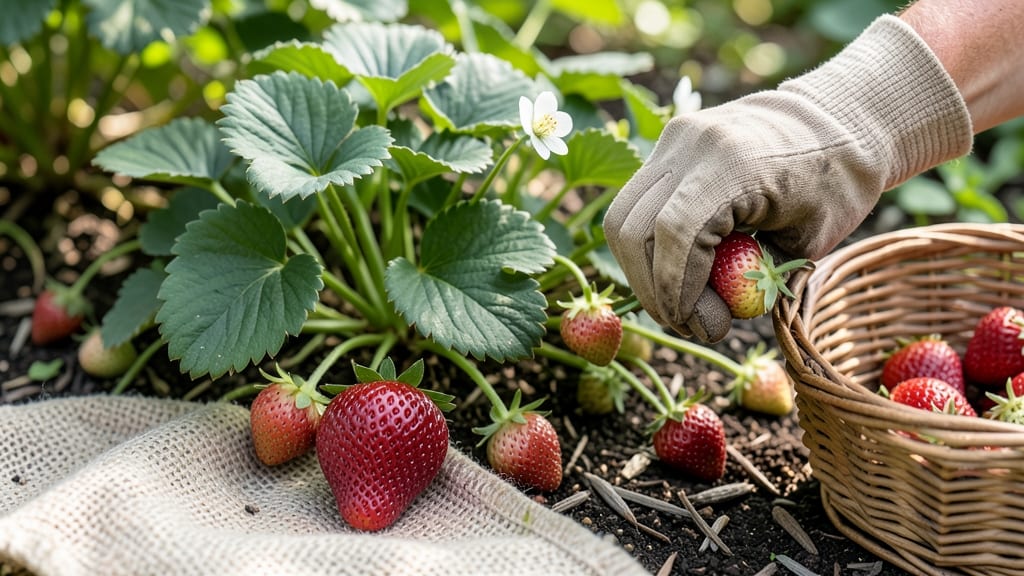
How to know when strawberries are ready to pick can turn a so-so harvest into a sweet, juicy triumph—yet most gardeners miss the perfect moment. That deep red glow, the plump shape, and that signature scent aren’t just luck; they’re science-backed cues that tell you your 🍓 are at peak flavor.
If you’ve ever plucked a strawberry only to find it bland or mushy, you’re not alone. The key lies in combining color, texture, and aroma—three simple checks that separate ripe fruit from underripe or overripe disappointment.
I’ll show you exactly what to look for, so you never waste another harvest again.
Timing matters too. Early-season varieties ripen faster than late ones, and morning vs. evening picking can make a difference in sweetness. Plus, I’ll share pro tips for handling your harvest to keep those flavors vibrant long after you’ve picked them.
Ready to go from guessing to knowing? Let’s dive into the three foolproof ways to tell when your strawberries are begging to be picked—and how to enjoy them at their absolute best.


3 Infallible color and shape signs strawberries are perfectly ripe
Strawberries don’t ripen evenly on the vine, so color consistency is your first clue. Look for a uniform deep red hue across the entire berry—no lingering green or white patches.
Some varieties like Albion or Seascape may show hints of yellow or pink, but their ripeness follows the same principle: full, even color means peak flavor.
Next, check the shoulder test. Gently press the berry’s topmost point (where the cap meets the fruit). If it yields slightly but doesn’t feel mushy, it’s ripe. A hard shoulder means it’s underripe, while a squishy one signals overripeness. This trick works for June-bearing, everbearing, and day-neutral varieties alike.
Shape matters too! A ripe strawberry should be plump and symmetrical, with a slightly glossy sheen. Shriveled or lopsided berries didn’t get enough water or sun. Pro tip: Compare berries side by side—the ripest ones will stand out in your harvest tray.
Regional growing conditions affect color. In cooler climates (like Pacific Northwest), strawberries may ripen to a duller red due to less sunlight. Meanwhile, hotter zones (like Texas) produce brighter reds. Adjust your expectations based on your USDA zone and microclimate.
Don’t overlook the cap (hull). When fully ripe, the cap should easily detach from the fruit with a gentle twist. If it resists, the berry needs more time. This separation is nature’s way of signaling: “Pick me now!”
Watch for white specks on the surface, which are mold spores from overripeness. These appear first on the sun-exposed side of the berry. Remove any affected fruit immediately to prevent spreading. Early detection saves your entire harvest!
| Ripeness Sign | What to Look For | Action |
|---|---|---|
| Color | Uniform deep red (or variety-specific hue) | Pick immediately |
| Shoulder Test | Slightly soft when pressed | Harvest within 24 hours |
| Shape | Plump, symmetrical, glossy | Prioritize for fresh eating |
| Cap Detachment | Twists off easily | Best flavor window |
| Surface Texture | Slightly bumpy, no mold | Store in fridge for 3-5 days |
For everbearing varieties like Ozark Beauty, berries ripen in two flushes: early summer and late summer. The first batch often ripens faster due to warmer soil temperatures. Use a harvest journal to track ripening patterns—note the days between flowering and fruit readiness for each flush.
If your strawberries are red but taste bland, they may have been picked too early. The sugar content peaks 2-3 days after full color. For the sweetest berries, wait until the morning after a warm day—sugars concentrate overnight.
This is especially true for day-neutral varieties like Seascape, which produce fruit continuously.
Finally, inspect the leaves and stems. Healthy plants have vibrant green leaves and no brown spots. Yellowing leaves or white powdery mildew can stunt ripening. Address issues immediately by pruning damaged foliage and applying neem oil if needed.
The texture and aroma test: why firmness and scent beat relying on color alone
Many gardeners focus solely on strawberry color when deciding if fruit is ripe, but texture and aroma reveal the true story. A deep red exterior might hide underripe or overripe flesh—this is where your fingers and nose become your best tools.
I’ve learned that ignoring these subtle cues often leads to picking fruit that’s either bland or past its prime.
Start by giving each berry a gentle squeeze between your thumb and forefinger. A ripe strawberry should yield slightly to pressure but still hold its shape—think of it like pressing a ripe peach.
If it feels rock-hard, it’s not ready yet, while a mushy or squishy berry has overstayed its welcome. This test works best when the fruit is cool to the touch, typically in the morning.
Next, bring the berry close to your nose and take a deep sniff. A ripe strawberry emits a sweet, tangy aroma that’s impossible to mistake—it’s like the garden’s version of a perfume.
If you detect no scent or just a faint vegetable-like smell, the fruit likely needs more time on the vine. This aroma test is especially critical for everbearing varieties, which produce fruit in multiple flushes throughout the season.
Here’s a pro tip: Taste test a few berries when you’re unsure. The flavor profile of a truly ripe strawberry includes a balance of sweetness and acidity, with a juicy burst that’s unmatched.
If it tastes bland or overly tart, it’s not ready yet. This method might seem time-consuming, but it ensures you’re harvesting at peak flavor—something worth the extra minute or two.
🚨
- Picking based on size alone – Some varieties stay small but pack intense flavor.
- Ignoring the stem – A ripe berry will twist off easily without tearing.
- Harvesting after rain – Berries can appear ripe but are waterlogged and flavorless.
Don’t forget that environmental stress can alter texture and aroma. For example, strawberries grown in hot, dry conditions may develop a stronger scent but can become tougher. Conversely, cool, cloudy weather often results in milder aromas but juicier fruit.
Adjust your expectations based on your local climate—what’s ripe in California’s heat might differ from what’s ready in Pacific Northwest’s cooler summers.
To maximize your harvest, combine these tests with the color and shape checks from the previous section. When all three—color, texture, and aroma—align, you’re guaranteed a berry at its absolute peak.
Trust me, your taste buds will thank you when you bite into that perfectly ripe strawberry, bursting with flavor and freshness.