
How To
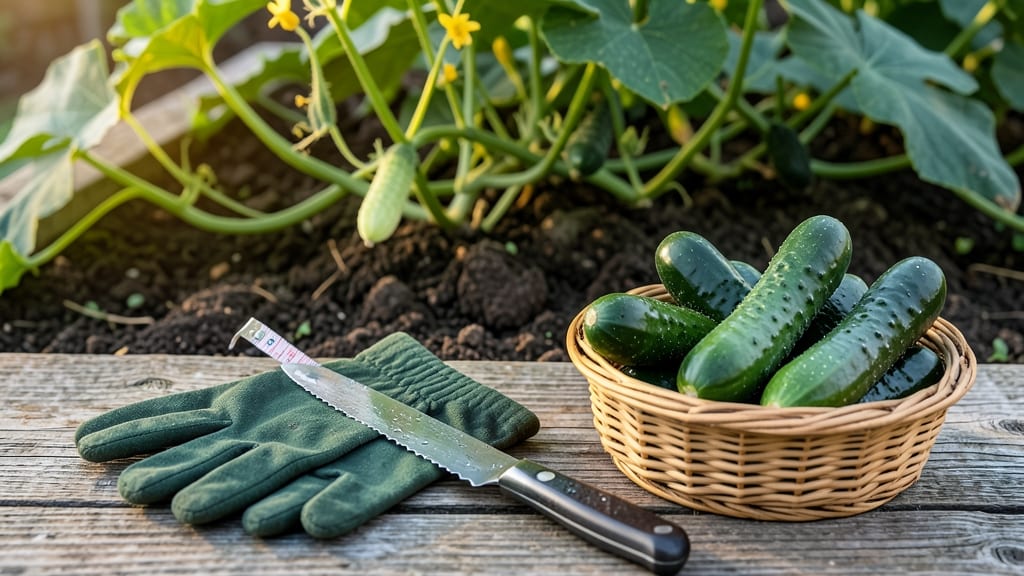
Knowing exactly when cucumber 🥒 are ready to pick can turn a disappointing harvest into a bounty of crisp, flavorful fruits—if you know what to look for. Too early, and you get bitter, seedy cucumbers; too late, and they turn mealy or rot on the vine.
The difference between these outcomes often comes down to a few simple checks most gardeners miss.
I’ve spent years growing cucumbers in USDA Zone 6a, and the best harvests always start with these three visual cues: size, color, and texture. A cucumber that’s 6-8 inches long with a firm but slightly yielding skin is usually prime, but there’s more to it than just length.
For example, slicing varieties like ‘Straight Eight’ should be picked when they’re 1-2 inches in diameter, while pickling cucumbers like ‘Boston Pickling’ are best at just 2-3 inches.
Beyond measurements, pay attention to the stem end—it changes from green to yellow or white when fully ripe—and give the cucumber a gentle squeeze. If it feels soft but doesn’t dent easily, it’s ready.
Ignoring these signs can lead to overripe cucumbers that lose their crunch or underripe ones that never develop their full sweetness.
In this guide, I’ll break down the exact signals to watch for, including how to adjust your picking schedule for continuous production. Whether you’re a first-time gardener or a seasoned grower, these tips will help you avoid the most common mistakes and enjoy a harvest that’s always at its peak.
Cucumber ripeness by size: exact measurements for optimal harvest
Timing your cucumber harvest by size is the first step to avoiding those tough, seedy cucumbers that ruin salads. Most gardeners focus on length, but diameter and variety also play critical roles.
For example, slicing cucumbers like 'Straight Eight' should be harvested at 6-8 inches, while pickling varieties such as 'Boston Pickling' need to stay smaller—around 3-4 inches—to prevent bitterness.
If you wait too long, cucumbers grow overripe and develop large seeds, which can make them woody and bitter. On the flip side, picking too early means underdeveloped fruit that lacks flavor.
The key is to check your cucumbers every 2-3 days during peak production (usually July through August in most climates).
Here’s a quick guide to help you visualize the ideal size for common varieties:
| Variety Type | Ideal Length | Ideal Diameter | Visual Cue |
|---|---|---|---|
| Slicing (e.g., 'Straight Eight') | 6-8 inches | 2-2.5 inches | Firm, bright green skin |
| Pickling (e.g., 'Boston Pickling') | 3-4 inches | 1.5-2 inches | Small, bumpy texture |
| Heirloom (e.g., 'Lemon Cucumber') | 4-6 inches | 2-3 inches | Yellow or variegated skin |
| Bush Varieties (e.g., 'Bush Champion') | 7-9 inches | 2-2.5 inches | Smooth, glossy skin |
📏 Pro Tip: Use a ruler or measuring tape to check cucumbers—this prevents guessing and ensures consistency.
For bush varieties, focus on height rather than length. These compact plants produce cucumbers that grow straight up, so a 7-9 inch cucumber is perfect for slicing.
If you notice cucumbers curling or twisting, they’re likely overripe and past their prime. This is a clear sign to harvest immediately or the plant may stop producing.
Another trick is to check the stem end of the cucumber. When it turns from green to yellow or white, that’s your cue to pick it. This change signals the cucumber has reached its peak ripeness.
Ignore this cue, and you’ll end up with cucumbers that are too soft or developing rot.
If you’re growing heirloom varieties, like the 'Lemon Cucumber', pay attention to color shifts. These cucumbers start green but turn yellow or pale green when ready. Harvest them at 4-6 inches to avoid bitterness, as they can quickly become overripe and mealy.
To encourage continuous production, pick cucumbers consistently every 2-3 days. This habit signals the plant to keep producing new fruit instead of focusing on maturing a single cucumber. Over time, you’ll develop an instinct for the perfect harvest window, ensuring your cucumbers are always at their best.
One last tip: If you’re unsure whether a cucumber is ready, pick it anyway. It’s better to harvest a slightly underripe cucumber than to miss the window entirely. Underripe cucumbers can still be used in cooking (like stir-fries) and will ripen slightly over a few days on your counter.
Color and texture clues: beyond the basics of green and firm
When I first grew cucumbers, I assumed all I needed to do was wait until they turned green and felt firm—but that’s only half the story. The true ripeness of a cucumber hides in subtle color shifts and texture changes that most gardeners miss.
Heirloom varieties, like the Lemon Cucumber, even turn yellow when ready, while others develop faint stripes or blushes. Paying attention to these details ensures you harvest at peak flavor, not just basic edibility.
Start by examining the stem end of the cucumber. A ripe cucumber’s stem end will often change color—turning from bright green to a pale yellow or white. This shift signals the cucumber has stopped growing and is ready for picking.
For bush varieties, this cue is especially reliable since they don’t grow as large as vining types. Ignoring this detail can lead to cucumbers that are too seedy or bitter-tasting, even if they look green on the outside.
Ripe Cucumber Clues
- Firm but yielding skin
- Smooth, glossy surface
- Pale stem end (yellow/white)
- Consistent color (no blotches)
- Hard, unyielding skin
- Dull, rough texture
- Green stem end (unripe)
- Overly large seeds (bitter)
Next, run your fingers over the cucumber’s surface. A ripe cucumber should feel smooth and slightly waxy, almost like a fresh apple. If the skin feels rough or bumpy, it’s past its prime.
For slicing cucumbers, this texture is a game-changer—it’s the difference between a crunchy salad and a mushy one. Pro tip: Gently press the cucumber with your thumb. It should yield slightly but not feel mushy.
Don’t overlook the bloom color of the flower that produced the cucumber. If the flower was yellow, the cucumber is likely ripe when it reaches full size.
For white flowers, the cucumber may turn slightly yellow or stay green but will still be sweeter when harvested at the right time. This trick works especially well for heirloom varieties, which often have more pronounced color changes than hybrid types.
Finally, check for subtle stripes or blushes. Some varieties, like Armenian cucumbers, develop faint stripes when ripe, while others may show a light green blush** near the stem end. These visual cues are your garden’s way of telling you it’s time to harvest.
Overlooking them can mean cucumbers that are too large, seedy, and tough—a common mistake I made until I learned to look closer.
Mastering these color and texture clues will transform your cucumber harvest from so-so to spectacular. The next time you’re in your garden, take an extra 10 seconds to inspect your cucumbers closely—your taste buds will thank you. 🌱