How To
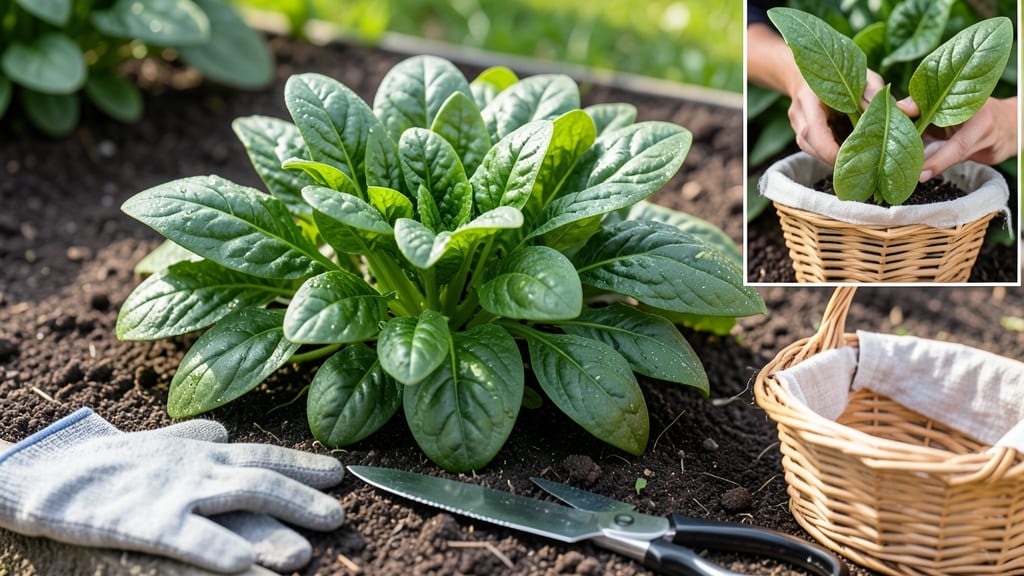
How to know when spinach is ready to harvest can make the difference between tender, flavorful greens and tough, bitter leaves. Too early, and you miss out on the best flavor; too late, and your plants bolt or become woody. The secret lies in those perfect visual cues that tell you it's time to pick—like leaf size, color, and texture.
Most gardeners in USDA Zone 6a know spring and fall are the prime times for spinach, but timing the harvest within those seasons is where many go wrong. You’ll want leaves that are 3–6 inches long, deep green, and slightly crisp—signs your spinach is at its peak.
Ignore these clues, and you might end up with sparse, pale leaves or bitter stems.
Harvesting at the right moment isn’t just about taste—it’s also about encouraging your spinach to keep producing. Cutting the outer leaves properly leaves room for new growth, so you can enjoy a steady supply all season long.
Whether you’re growing baby leaves or mature harvests, these simple checks will help you avoid common mistakes.
Ready to master the art of spinach harvesting? I’ll walk you through the exact visual and physical cues to look for, plus pro tips to keep your plants thriving. Let’s get started!


Spinach leaf size and color: the two key harvest indicators
Timing your spinach harvest correctly transforms your garden from bitter, tough leaves to tender, flavorful greens. The two most reliable indicators are leaf size and color intensity. For baby spinach, aim for leaves about 3–4 inches long, while mature varieties should reach 5–6 inches before harvesting.
Smaller leaves mean you’re harvesting too early—missing out on full flavor development.
Color is your second clue. Deep, vibrant green leaves signal peak ripeness, while pale or yellowing leaves mean your spinach is either underwatered or overmature. Look for slightly crinkled edges, a hallmark of crisp, flavorful spinach.
If the leaves start developing yellow veins or a woody stem, you’ve waited too long, and the texture will suffer.
🌱
| Harvest Stage | Leaf Size | Color | Stem Texture | Flavor |
|---|---|---|---|---|
| Too Early | 1–2 inches | Pale green | Very tender | Mild, bland |
| Ideal Harvest | 3–6 inches | Deep green | Firm but not woody | Sweet, crisp |
| Overmature | 6+ inches | Yellowing or brown | Woody, tough | Bitter, tough |
Seasonal timing also plays a role. In spring and fall, when temperatures are cooler (50–75°F), spinach matures faster. If your plants are exposed to hot summer heat, they may bolt (send up a flower stalk) before reaching ideal size.
To prevent this, use shade cloth or harvest early in the season. For continuous harvests, focus on outer leaves first, leaving the inner leaves to keep growing.
Pro tip: Harvest in the morning when leaves are at their crispest and most hydrated. Use clean, sharp scissors or your fingers to snip or pinch leaves just above the soil line. This encourages new growth from the base while preserving the plant’s energy for future harvests.
📏
Don’t rely solely on days after planting—visual cues matter most. For example, ‘Baby’s Leaf’ varieties may be ready in 30–40 days, while ‘Giant Winter’ takes closer to 50–60 days.
Always check leaf size and color before pulling, especially if you’re growing multiple varieties. Overlooking these signs can turn your flavorful harvest into a bitter disappointment.
If your spinach starts developing bolt stems (tall, thin flower stalks), it’s a sign of stress—likely from heat or drought. In this case, harvest immediately, as the leaves will turn bitter and tough. For the best results, prioritize consistent moisture and partial shade during hot spells.
🌿
Remember, spinach is a cut-and-come-again crop. By harvesting at the right size and color, you’ll enjoy a longer harvest window and avoid the frustration of wasted effort. Start with the largest, outermost leaves and work your way inward, always leaving at least 2–3 inches of growth at the base.
This method keeps your plants productive and your kitchen stocked with fresh, homegrown greens all season.
Spinach leaf size and color: the two key harvest indicators
Timing your spinach harvest correctly hinges on two visual cues: leaf size and color. For the best flavor and texture, aim to harvest when leaves reach 3–6 inches long—this ensures they’re fully developed but still tender.
Smaller leaves (under 3 inches) taste mild but less satisfying, while oversized leaves (over 6 inches) often become tough and bitter.
Color is your second clue: deep, vibrant green leaves signal peak ripeness. Look for slightly crinkled edges and a glossy sheen, which indicate optimal moisture content. Pale or yellowing leaves mean your spinach is either underwatered or overmature, both of which ruin the harvest.
Pay special attention to the outer leaves, as these mature first and are the best indicators of overall readiness.
| Stage | Leaf Size | Color | Texture | Action |
|---|---|---|---|---|
| Too Young | Under 3" | Pale green | Tender, almost translucent | Wait 1–2 weeks |
| Perfect Harvest | 3–6" | Deep green | Crisp, slightly crinkled | Harvest now! |
| Overmature | Over 6" | Dull green/yellow | Tough, woody stems | Harvest quickly or compost |
Seasonal factors also play a role: spring and fall harvests yield the crispiest leaves thanks to cooler temperatures. In hot weather, spinach bolts (sends up a flower stalk) faster, so prioritize harvesting outer leaves to prolong the harvest window.
If your spinach is planted in partial shade (ideal for most varieties), leaves may grow slower—adjust your timing by checking size and color rather than days since planting.
Pro tip: Use a ruler or measuring tape to check leaf length if you’re unsure. For baby leaf varieties, harvest when leaves are just 2–3 inches long for ultra-tender greens.
Always harvest in the morning when leaves are hydrated and flavorful, avoiding the heat of the day when they wilt faster.
One final cue: stem firmness. Gently pinch a stem—if it snaps easily, the plant’s not ready. If it resists slightly but doesn’t feel woody, it’s harvest-ready.
Woody stems mean you’ve missed the window, but don’t worry: you can still use the leaves in cooked dishes like soups or stir-fries where texture is less critical.
Mastering these cues ensures you enjoy continuous harvests throughout the growing season. Start with the outer leaves to encourage new growth, and you’ll have a steady supply of fresh spinach for weeks—no bitter surprises in sight! 🥬