
How To
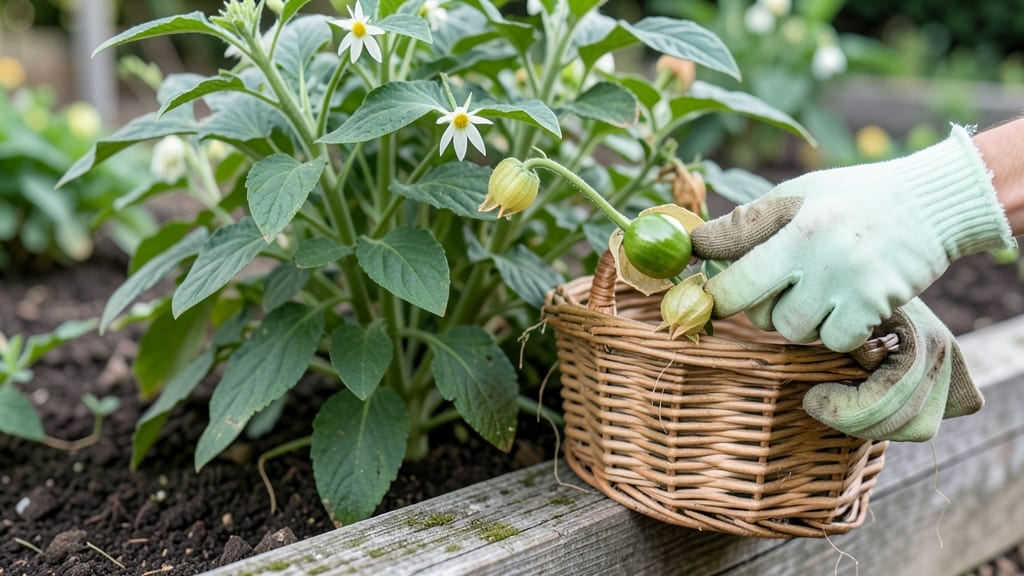
How to know when to pick tomatillos can transform your salsa verde from good to extraordinary—and skipping this step might leave you with bland, mealy fruit instead. These spring favorites thrive in USDA Zone 6a, where the July-September harvest window offers the perfect chance to master their ripeness. The trick lies in their color, size, and texture, which I’ll break down so you never second-guess your harvest again.
Picture this: a tomatillo 🌱 with a papery brown husk that peels back easily, revealing fruit about 1-2 inches wide. That’s your cue—they’re firm but yield slightly when gently squeezed, like a ripe avocado.
Skipping this step means waiting too long, and suddenly, your once-promising harvest turns mushy or overly tangy.
But here’s the catch: not all tomatillos follow the same timeline. Varieties like Green Sage or Purple ripen at slightly different rates, and weather plays a role too.
I’ll walk you through the 3 key checks—color, size, and firmness—that take the guesswork out of harvesting, so you’re always picking at peak flavor.
Ready to go from uncertain gardener to confident harvester? Let’s dive into the exact signs that prove your tomatillos are ready—before they’re past their prime.


3 Key color and texture signs tomatillos are ready to harvest
Tomatillos are finicky little fruits—pick them too early, and you’ll end up with bland, mealy centers. Too late, and they’ll turn mushy or even rot on the vine. The secret lies in mastering three key visual and tactile cues: husk color, fruit firmness, and size consistency.
These signs work together like a symphony, telling you exactly when to harvest for peak flavor.
First, focus on the husk’s transformation. When planted, tomatillos sprout with a tight, green husk that protects the developing fruit. As they mature, this husk gradually dries out and turns a papery brown color.
This isn’t just a color change—it’s a clear signal that the fruit inside is nearing perfection. If you see husks that are still bright green and crisp, your tomatillos need more time on the plant.
Next, check the fruit’s firmness by gently squeezing it through the husk. At the perfect moment, the tomatillo should feel firm but slightly yielding, almost like a ripe avocado. If it’s rock-hard, it’s not ready yet.
If it feels mushy or squishy, you’ve waited too long. This tactile test is your best friend when deciding whether to harvest or wait a few more days.
Here’s where it gets tricky: weather plays a huge role. Hot, dry conditions can speed up ripening, while cool, cloudy weather may slow it down.
In my Zone 6a garden, I’ve seen tomatillos ripen in as little as 60 days during scorching summers, but they often take closer to 80 days in cooler, wetter years. Pay attention to your local climate—it’s the missing piece in the puzzle.
3 Key color and texture signs tomatillos are ready to harvest
Tomatillos are tricky little fruits—they don’t ripen like tomatoes, so you can’t rely on color alone. Instead, focus on three key signs: husk color, fruit firmness, and size consistency.
When these align, you’ve got perfect harvest-ready tomatillos packed with tangy flavor. Let’s break down what to look for in your garden.
First, check the husk covering—this papery layer is your best indicator. When it turns from bright green to dry, papery brown, the fruit inside is usually ready. If the husk is still green and tight, wait a few days.
This change signals the fruit has reached peak ripeness, balancing tartness and sweetness for that signature salsa verde taste.
Next, test the fruit’s firmness—this is where many gardeners go wrong. A ripe tomatillo should yield slightly when pressed with your thumb (like a ripe peach), but it shouldn’t feel mushy or squishy.
If it’s rock-hard, it’s not ready; if it’s overly soft, it might be overripe. Pro tip: Harvest in the morning when temperatures are cooler to preserve texture and flavor.
Don’t overlook the fruit’s size—while tomatillos vary by variety, most reach 1–2 inches in diameter at peak ripeness. Smaller than 1 inch? They’re likely underripe. Larger than 2 inches? They might be past their prime, especially in hot climates where they ripen faster.
Varieties like ‘Green Sage’ stay smaller (1 inch), while ‘Purple’ tomatillos can grow slightly larger (up to 2.5 inches).
Weather plays a sneaky role in ripening. Hot, dry conditions can speed up the process, while cool, cloudy weather slows it down. If your tomatillos are taking longer than 75–90 days to mature (the typical harvest window), they might need more sun or balanced fertilizer.
Keep an eye on the husk—if it’s brown but the fruit inside is still hard, give it another week.
Finally, trust your nose. A ripe tomatillo emits a subtle sweet-tangy aroma—not the sharp, sour smell of an unripe one. If your tomatillos smell fermented or overly acidic, they’ve likely overripe.
Harvest promptly, use them in recipes within a week, or store them in the fridge to slow down spoilage. Once you master these cues, you’ll never second-guess your tomatillo harvest again!