How To
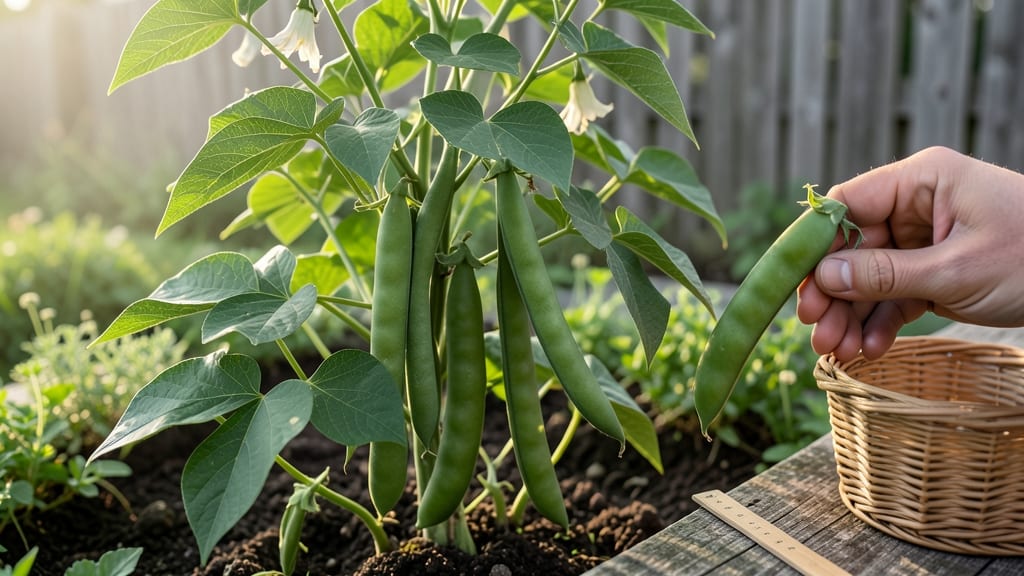
How to know when beans are ready to harvest can mean the difference between crisp, flavorful pods and tough, stringy disappointments—yet even seasoned gardeners often overlook the subtle clues your 🌱 plants provide.
Most people assume beans are ready simply because they've been growing for 60-75 days, but timing matters far more than days alone. The key lies in what you can see and feel: pod size, color, and firmness all shift dramatically in the final days before peak harvest.
I'll show you exactly what to look for so you never miss the window again.
Whether you're growing tender green beans or shelling varieties, these visual cues work for all types—though pole beans and bush beans have slightly different ideal harvest windows.
We'll also cover how heat and humidity can trick you into picking too early (or too late), and why checking just once a week might cost you half your harvest.
By the end, you'll confidently recognize that perfect moment when your beans are at their peak—ready to be picked, cooked, and enjoyed. Let's dive into the three visual cues most gardeners miss that guarantee your harvest will be the best yet.


3 Key visual cues to identify perfectly ripe green beans
Harvesting beans at the right moment transforms your garden into a flavor factory. The difference between crisp, sweet beans and woody, tough pods often comes down to three simple visual cues most gardeners overlook.
I’ve learned these tricks after years of trial—and a few too many overripe harvests! Let’s break down what to look for in your bean plants.
First, focus on pod size—this is your most reliable indicator. For most green beans, pods should reach 4-6 inches long before harvesting. Smaller pods (under 2 inches) are still developing, while larger ones may become fibrous.
Measure a few pods to get a sense of your variety’s ideal size—some heirloom beans can grow longer before reaching peak flavor.
Next, examine the pod color. Bright, uniform green is the gold standard for freshness, but some varieties develop subtle yellow or red streaks when fully ripe. Avoid pods with dull or mottled coloring—they’re past their prime.
Pro tip: Check the seam where the pod splits open. If it’s still light green, the beans inside are likely underdeveloped.
Finally, test for pod firmness by gently pressing between your fingers. Ready-to-harvest beans should feel firm but tender, almost snapping when bent slightly. If they bend without resistance, they’re overripe.
Conversely, pods that feel hard or woody need more time on the vine. This tactile check is my favorite trick—it’s instant feedback without damaging the plant.
🌱 3 Visual Cues for Perfectly Ripe Beans
- 1. Pod Size: 4-6 inches long (varies by variety) 📏
- 2. Color: Bright, uniform green or variety-specific hues (no dull spots) 🎨
- 3. Firmness: Snaps easily when bent—firm yet tender ✂️
Many gardeners make the mistake of waiting until pods stop growing entirely. By then, the beans inside may have started developing seeds, which can make the pods tough and stringy.
I’ve found that harvesting every 2-3 days keeps my plants producing continuously. This frequent picking also prevents pests like Mexican bean beetles from finding your crop first.
For pole beans, pay extra attention to the topmost pods on the plant. These often ripen first and can be a great early harvest indicator. If you’re growing dwarf varieties, focus on the outermost pods since they tend to mature slightly ahead of those in the center.
Always check a few pods from different parts of the plant to ensure even ripening.
One common misconception is that larger pods equal better flavor. In reality, many bean varieties become woody or mealy if left too long on the vine. The sweetness peaks at the optimal size—usually before the pod reaches its maximum length.
To test this, try harvesting a few pods at different sizes and compare their flavors. You’ll quickly learn your plants’ preferences!
Environmental factors can also trick your eye. Hot, dry weather may cause pods to stop growing prematurely, while cool, wet conditions can slow ripening. If your beans seem to be taking longer than expected, check the weather forecast and adjust your harvesting schedule accordingly.
In my Zone 6a garden, late summer heat often speeds up ripening, so I harvest more frequently during those weeks.
Remember, the goal is to pick beans when they’re at their peak freshness. Overripe beans not only lose flavor but also attract pests and diseases. By mastering these three visual cues—size, color, and firmness—you’ll transform your bean harvest from hit-or-miss to consistently delicious.
Grab your basket and start checking those pods today!
How bean variety affects harvest timing (with comparison guide)
Not all beans ripen on the same schedule—bush beans, pole beans, and heirloom varieties each have unique harvest windows. Understanding these differences helps you pick beans at their peak flavor and texture.
For example, bush beans like 'Blue Lake' mature in just 50-60 days, while pole beans such as 'Kentucky Wonder' take 60-75 days and produce for weeks longer.
Heirloom varieties often have longer maturation times but reward you with richer flavors. Varieties like 'Christmas Limas' or 'Scarlet Runner' may require 75-90 days to reach harvest readiness.
Even within the same type, pod size and color intensity can vary—some beans are best picked when bright green, while others develop stripe patterns or reddish hues as they ripen.
Here’s how to match your harvest timing to the bean type you’re growing:
Environmental factors like temperature and humidity can also shift harvest timing. In hot climates, beans may ripen faster, while cooler weather can slow maturation. Always check for pod firmness and seed development—these are your best indicators, regardless of variety.
Pro tip: Keep a harvest journal to track when your specific varieties ripen. Note the days to maturity listed on seed packets, but adjust based on your local climate. Over time, you’ll anticipate the perfect moment to pick beans that are crisp, tender, and bursting with flavor.
For a quick reference, compare these common varieties below:
| Variety | Type | Days to Harvest | Harvest Cues | Best For |
|---|---|---|---|---|
| Blue Lake | Bush | 50-60 | 4-5" pods, bright green | Fresh eating, canning |
| Kentucky Wonder | Pole | 60-75 | 5-8" pods, firm | Long harvest, freezing |
| Scarlet Runner | Pole | 75-90 | Reddish pods, plump seeds | Dried beans, ornamental |
| Christmas Lima | Bush | 75-90 | Dry pods, flat seeds | ★★★★★4.5(7 reviews) |