
Aphids
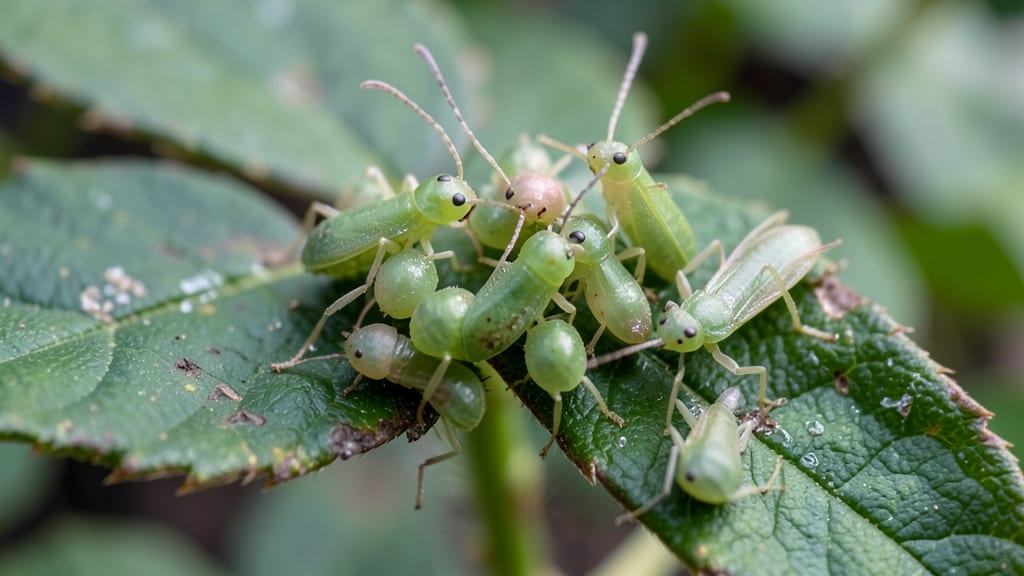
Identifying aphids on the plants before they wreck your garden saves you hours of cleanup. 🌱 I learned this the hard way when a colony turned my roses into sticky, curled messes—until I spotted these five fast visual clues that reveal them early.
Look for tiny, pear-shaped bodies clustered on new growth, especially undersides of leaves or stem joints. Their color varies (green, black, or white), but size is consistent: about 1/16 inch long. Check for honeydew trails—sticky residue that attracts ants and sooty mold. The key is acting fast.
Aphids multiply exponentially, so early detection means less damage. Once you know what to look for, you'll catch them before they become a full-blown infestation. This works for backyard gardens, container plants, and even houseplants. Let's get those pests under control before they start."
Root Causes of Aphid Infestations
Aphids may seem like a sudden, unwelcome surprise, but their arrival is rarely random. These tiny sap-sucking pests thrive due to a mix of environmental conditions, plant vulnerabilities, and even human habits.
Understanding why aphids target your plants is the first step to preventing them—and stopping them before they multiply into a full-blown crisis. Let’s break down the science behind their attraction.
Aphids are opportunistic feeders—they zero in on plants that are already struggling. When a plant is weak, its defenses drop, and its sap becomes sweeter (yes, really!). Here’s what makes your plants aphid magnets:
- Nutrient Deficiencies: Plants low in nitrogen or phosphorus produce softer, more attractive sap. Think of it like a buffet sign for aphids.
- Overwatering or Poor Drainage: Soggy roots and fungal diseases (like powdery mildew) weaken plants, making them easier targets. Aphids love a plant that’s already battling other pests.
- Physical Damage: Pruning wounds, hail, or even insect bites create entry points. Aphids exploit these openings to insert their stylets (mouthparts) and start feeding.
- New Growth: Young, tender shoots are aphid favorites because they’re packed with easily accessible sugars. This is why you might spot clusters on brand-new leaves or buds.
💡 Pro Tip: Healthy plants are resilient. Rotate crops, mulch properly, and avoid over-fertilizing with high-nitrogen blends to keep aphids at bay.
Not all plants are created equal when it comes to aphid resistance. Some are like all-you-can-eat buffets, while others repel pests naturally. Here’s the breakdown:
| High-Risk Plants | Why Aphids Love Them |
|---|---|
| Rose bushes | Soft, fuzzy leaves and sweet sap are aphid catnip. Plus, they’re often pruned, creating fresh growth aphids adore. |
| Peppers, cucumbers, and squash | These veggies produce sticky honeydew, which attracts ants—aphids’ unwitting bodyguards. It’s a pest party waiting to happen. |
| Fruit trees (especially apple, pear, and citrus) | Aphids distort new leaves and buds, reducing fruit yield. Their colonies also spread viral diseases like Apple Mosaic Virus. |
| Houseplants (e.g., ferns, ivy, and poinsettias) | Indoor environments with warm, humid air create the perfect aphid nursery. Plus, many houseplants lack natural predators. |
🌡️ Science Note: Aphids prefer plants with high levels of amino acids in their phloem (the plant’s “vein” system). These nutrients fuel their rapid reproduction—some species can give birth to 50+ live nymphs per day without mating!
🎯 Actionable Fix: Space plants widely for airflow, choose aphid-resistant varieties (like aphid-resistant roses), and interplant with repellent herbs (e.g., basil, mint, or garlic).
Here’s a shocking truth: ants love aphids. They don’t eat them—they farm them. Ants protect aphid colonies in exchange for honeydew, the sugary waste product aphids excrete. This symbiotic relationship turns your garden into an aphid safe haven.
- How It Works: Ants “milk” aphids by tapping them with their antennae, stimulating honeydew production. Some species even carry aphid eggs to new plants!
- Where You’ll See It: Look for trails of ants leading to aphid clusters, especially on the undersides of leaves or near stems.
- The Domino Effect: Without predators (like ladybugs or lacewings), aphid populations explode. The ants’ protection lets them focus solely on feeding and reproducing.
🔥 Quick Solution: Disrupt the ant-aphid bond by:
- Setting out borax or diatomaceous earth baits to kill ants (but keep pets/kids away).
- Using soapy water sprays to knock ants off plants temporarily.
- Planting ant-repellent herbs like spearmint or thyme near aphid-prone areas.
Aphids are cold-blooded (literally—they rely on external temperatures). Their life cycles accelerate in warm, stable conditions, but they also have tricks for survival in less-than-ideal weather.
| Weather Factor | Aphid Reaction |
|---|---|
| Warm Springs | Aphids emerge early to feed on fresh growth before predators (like ladybugs) hatch. |
| Dry, Windless Days | Low humidity helps aphids conserve moisture, and still air prevents natural enemies (e.g., hoverflies) from hunting them. |
| Sudden Temperature Drops | Aphids produce winged morphs to seek warmer microclimates (like greenhouses or indoor plants). |
| High Rainfall | While rain can wash away some aphids, it also dilutes natural predators and washes away beneficial fungi (like Beauveria bassiana, which infects aphids). |
✨ Climate Hack: Create an aphid-unfriendly environment by:
- Encouraging natural airflow with proper pruning and spacing.
- Using row covers in early spring to block winged aphids from landing.
- Introducing beneficial insects (like lacewings or parasitic wasps) that thrive in warm, sunny conditions.
Sometimes, the problem starts with us. Unintentional gardening practices can turn your green space into an aphid paradise:
- Over-Fertilizing: Too much nitrogen = lush, aphid-loved growth. Think of it as giving them a growth hormone.
- Ignoring Weeds: Dandelions, clover, and plantain are aphid magnets. They host aphids that later migrate to your prized plants.
- Bringing Infested Plants Indoors: New houseplants or garden center purchases often carry hidden aphid eggs or nymphs.
- Poor Sanitation: Leaving fallen leaves, debris, or old plant matter creates hiding spots for aphids to overwinter.
🔪 Prevention Tip: Break the cycle by:
- Quarantining new plants for 2–4 weeks before introducing them to your garden.
- Pulling weeds regularly
Quick Fixes for Aphid Infestations
Now that you’ve spotted the tiny troublemakers, it’s time to act! Aphids may be small, but they multiply fast—so don’t wait. The good news? You don’t need harsh chemicals to tackle them. Below, we’ve mapped common causes to effective solutions, plus prevention tips to keep your plants aphid-free long-term.
Cause: Heavy infestations or weakened plants attract more aphids. Fix:
- 🔥 Prune affected areas with clean, sharp shears. Focus on leaves curled by aphids or stems with sticky residue (honeydew).
- 🍳 Isolate severely infected plants in a sealed bag for 2–3 days to starve the aphids before composting or discarding.
- 👨🍳 For small gardens, remove and crush aphids by hand (wear gloves if squeamish!).
Pro Tip: 💡 Check the undersides of leaves first—they’re aphid hotspots!
Cause: Aphids hate moisture and struggle to cling to wet surfaces. Fix:
- 🥘 Spray plants thoroughly with a strong stream of water (especially undersides and new growth). Repeat every 2–3 days for 1–2 weeks.
- ⏰ Best time: Early morning or late afternoon to avoid shocking plants with midday sun.
- 🌡️ Add a drop of mild soap (like Castile soap) to 1 quart of water for extra stickiness. Test on a small leaf first!
Pro Tip: ✨ Use a hose nozzle or spray bottle—gentle pressure works too!
Cause: Aphids thrive when their predators (like ladybugs or lacewings) are absent. Fix:
- 🎯 Attract beneficial insects by planting dill, fennel, or marigolds near your garden. These flowers lure ladybugs, lacewings, and parasitic wasps—all aphid hunters!
- 🔥 Buy predator eggs or adults online or from garden centers (e.g., ladybug larvae or Aphidius wasps). Release them in the evening when they’re least active.
- 🍎 Avoid pesticides—they kill both aphids and their natural enemies!
Pro Tip: 🌿 Leave some aphids behind! A few ensure predators stick around for future outbreaks.
Cause: Chemical pesticides can harm ecosystems; natural alternatives work just as well. Fix:
- 🔪 Homemade soap spray:
- Mix 1 tbsp mild liquid soap (like Dr. Bronner’s) + 1 quart water.
- Spray directly on aphids (avoid flowers if pollinators are active).
- Reapply every 3–5 days until gone.
- 🥘 Horticultural oil spray:
- Use neem oil or refined mineral oil (follow package rates).
- Works by suffocating aphids and disrupting their life cycle.
- Apply in early morning or late evening to protect bees.
Pro Tip: 💡 Shake sprays well before use—oil separates over time!
Cause: Weak, stressed, or over-fertilized plants attract aphids like a buffet. Fix:
- 💪 Balance fertilizers: Too much nitrogen = soft, aphid-loved growth. Switch to a low-nitrogen, high-phosphorus fertilizer (like 5-10-10) to boost root health.
- 🥗 Improve soil health: Add compost or worm castings to give plants natural defenses.
- 🍎 Prune for airflow: Crowded plants stay damp longer—aphids love humidity! Trim back overgrowth.
Pro Tip: 🌡️ Stress-resistant varieties like rosemary, lavender, or basil repel aphids naturally.
Cause: Aphids return if conditions stay favorable. Fix:
- 🌿 Inspect new plants before bringing them home. Quarantine for 2 weeks to catch hitchhikers.
- 🍳 Use reflective mulch (like aluminum foil or silver plastic) to confuse aphids with light reflections.
- 🔥 Encourage biodiversity: A diverse garden with herbs, flowers, and veggies disrupts aphid colonization.
- ⏰ Monitor regularly: Check new growth, undersides of leaves, and stems weekly.
Pro Tip: 🎯 Plant garlic or chives nearby—their scent deters aphids!*
Remember: Patience is key! Some methods (like predator release) take 1–2 weeks to show results. Combine 2–3 strategies for the fastest, most sustainable wins. Your plants—and your sanity—will thank you!
Frequently asked questions
What do baby aphids (nymphs) look like?
Baby aphids, or nymphs, are nearly identical to adults but slightly smaller—about 1/32 inch long. They’re pear-shaped, soft-bodied, and usually the same color as mature aphids (green, black, or white). The key difference is size: nymphs lack wings and are harder to spot without magnification. Check new growth areas first!
Can aphids survive winter in my garden?
Yes! Aphids overwinter in several ways: some lay eggs on plant stems or bark, while others seek shelter in leaf litter or mulch. In cold climates, only eggs survive, but in milder regions, a few adults may persist. Remove garden debris in fall and inspect stored wood/pots—aphids often hide there!
How can I tell if aphids are damaging my plants?
Look for these signs: curled or yellowing leaves, sticky honeydew residue (especially on lower leaves), and distorted new growth. Severe damage causes stunted plants or black sooty mold (a fungus growing on honeydew). Check stems and leaf undersides—aphids rarely attack healthy, mature leaves.
Are all aphids bad for plants?
Not exactly! While most species damage plants by sucking sap, some aphids actually benefit ecosystems. For example, root aphids help certain plants absorb nutrients, and aphids serve as food for predators like ladybugs. The key is balance—focus on controlling outbreaks before they become problematic.
Why do aphids always seem to return after treatment?
This happens because aphids reproduce asexually (no mating needed) and multiply exponentially. A single female can produce 50+ nymphs in days! Plus, new aphids may arrive via wind, insects, or contaminated plants. Combine treatments (like soap spray + predator release) and monitor regularly for early detection.