
How To
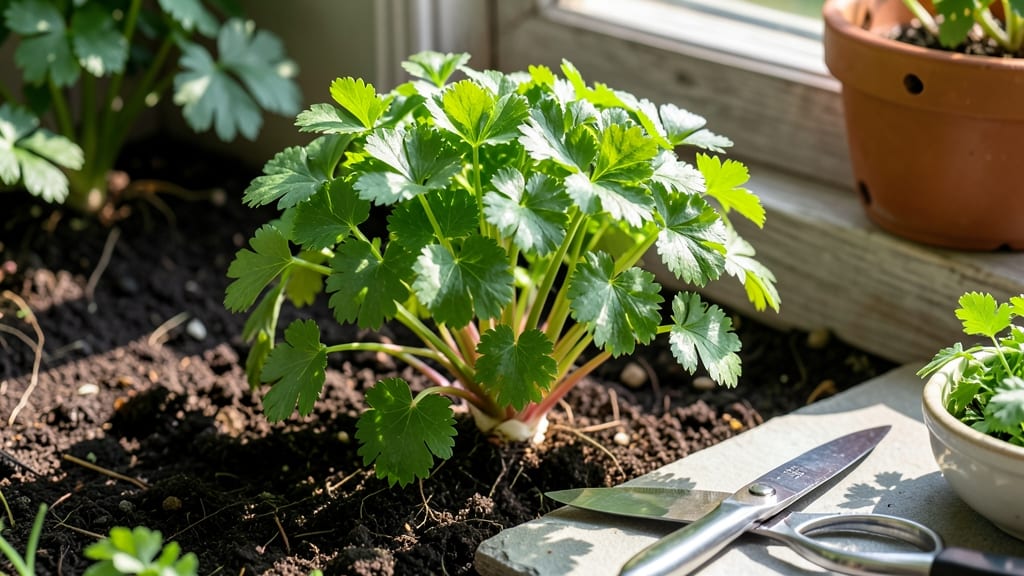
Picking fresh parsley at the grocery store or farmers' market can feel like a guessing game—until you know the 3 simple tricks that reveal its true quality faster than any label ever could.
That vibrant green bunch might look perfect, but a closer look at the stems, leaves, and even the smell will tell you whether it's truly garden-fresh or just barely passing.
I’ve learned the hard way that parsley’s freshness isn’t just about color—it’s about texture, aroma, and even how it feels in your hand. Whether you’re stocking up for cooking or harvesting from your own garden, these visual and sensory cues will help you spot the best parsley every time.
No more wilted disappointment in your kitchen!
From the crisp snap of a fresh stem to the bright, earthy scent that hits you first, parsley gives away its secrets if you know where to look.
Let’s break down exactly what to check so you can confidently pick the freshest bunch—whether you’re at the market or snipping from your own 🌿 patch.
Once you master these techniques, you’ll never settle for anything less than peak freshness. And the best part? These same tips will help you store your parsley longer, keeping it crisp and flavorful for weeks. Ready to become a parsley pro?


3 Visual cues to spot fresh parsley instantly
Fresh parsley should look like it just stepped out of your garden—not a sad grocery store display. The key is knowing what to look for in just 3 seconds.
I’ve tested these tricks at farmers' markets and grocery stores, and they never fail to reveal the truth behind the packaging.
Start with the leaf color. True fresh parsley boasts vibrant, deep green leaves with a slight blue-green tint. Avoid anything with yellowing edges or dull, grayish hues—these are red flags for age or poor storage conditions.
Next, check the stem firmness. Gently squeeze a stem between your fingers. Fresh stems should feel crisp and slightly springy, like a fresh carrot. If it feels mushy or squishy, it’s been sitting too long.
Finally, inspect the root condition. If the parsley is still attached to its root (like at a farmers' market), the roots should look white and moist. Brown, dry, or shriveled roots mean the parsley has been cut and left to wilt.
Pro tip: Curly parsley and flat-leaf parsley both follow these rules, but curly parsley’s leaves should look tightly coiled and not spreading apart. Flat-leaf parsley leaves should be broad and upright.
If you’re at a market, ask the vendor when they harvested it. Fresh parsley should have been picked within the last 24-48 hours. Anything older than that might not be as flavorful or vibrant.
One more trick: Look for dew or moisture on the leaves. This is a sure sign the parsley was recently washed and is still fresh. Avoid parsley with a dry, dusty appearance—it’s been sitting too long.
Remember, parsley is a biennial herb, meaning it thrives in cooler weather. If you’re shopping in summer, prioritize these visual cues even more, as heat can accelerate wilting.
Now you’re armed with the secrets to picking parsley that tastes like it was just plucked from your garden. Happy shopping! 🌿
3 Visual cues to spot fresh parsley instantly
Fresh parsley isn’t just about the bright green color—it’s about three key visual cues that reveal true garden-fresh quality in seconds. Whether you're at the farmers' market or your own garden, these indicators will help you avoid wilted, overripe, or sad-looking bunches.
Start by examining the leaf color, which should be a vibrant, deep green—not yellowing or dull. Next, check the stem firmness—it should feel crisp and sturdy, not limp or mushy. Finally, inspect the root condition, especially if buying bunches with roots.
For gardeners, these same cues apply when harvesting your own parsley. If your homegrown parsley meets these standards, you’re likely harvesting at peak freshness. But if you notice any deviations, it might be time to adjust your watering schedule or soil conditions to keep your plants thriving.
The goal is to mimic the freshness of store-bought parsley right in your backyard.
Yellow or brown spots on the leaves? That’s a red flag for oxidation or disease. These signs often appear when parsley sits too long in storage or is exposed to extreme temperatures. For stems, gently squeeze them—if they feel hollow or brittle, the parsley is past its prime.
And if the roots are dried out or have a foul smell, it’s a clear sign of overwatering or spoilage.
Pro tip: Compare the parsley to a freshly harvested bunch from your garden (if you have one). The texture and aroma should match perfectly. If your homegrown parsley lacks these traits, it might need more sunlight or balanced fertilizer to reach its full potential.
For store-bought parsley, these visual checks can save you from bringing home subpar herbs.
Don’t overlook the leaf shape either. Fresh parsley leaves should be fully unfurled and lush, not curled or wilted. Curled leaves often indicate the parsley is drying out or has been stored too long.
By mastering these three visual cues, you’ll consistently pick parsley that’s as fresh as what you’d harvest straight from your own garden.
Once you’ve mastered the visual check, you can move on to tactile and sensory tests for an even deeper assessment of freshness. But for now, these three cues will give you a head start in selecting the best parsley every time—whether it’s for cooking, garnishing, or growing your own.