
Pests
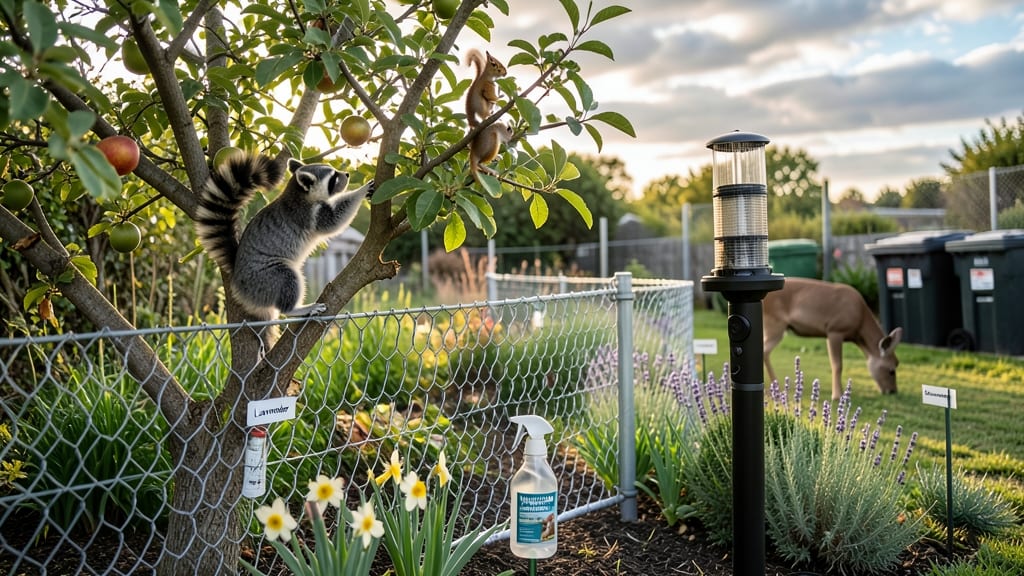
How to keep wildlife out of your yard should be your sanctuary, not a wildlife buffet. 🌿 I've spent years testing humane ways to keep deer, rabbits, and squirrels from turning my garden into their personal salad bar—without resorting to harmful sprays or traps.
The key is combining smart landscaping with simple, wildlife-safe barriers. A few well-placed plants like marigolds or daffodils can deter pests naturally, while physical barriers like fencing or mesh work better than you'd think. My 8-foot-tall fence kept deer out completely, but even smaller solutions can make a difference.
You'll see fewer chewed leaves, no more dug-up flower beds, and a yard that stays lush and productive. The best part? These methods protect your plants, your pets, and the local ecosystem—no chemicals required.
Works for any yard size and handles everything from deer to rabbits. Let's get started with solutions that actually work long-term!
📚 In This Guide
- What you need
- Instructions
- Tips and common mistakes
- Wrapping up and next steps
What you need
- ● Hardware cloth or mesh: ¼-inch to ½-inch mesh (for small critters like raccoons or rodents) or 1-inch mesh (for larger animals like deer or rabbits). Quantity: Enough to cover vulnerable areas (e.g., garden beds, trash bins, or entry points).
- ● Fencing: 4- to 6-foot-tall chicken wire or woven wire (for deer, rabbits, or groundhogs). Tip: Bury the bottom 12 inches underground to deter diggers! 🌡️
- ● Plastic or metal trash cans: Lids with secure locks (wildlife loves rummaging through trash!).
- ● Motion-activated sprinklers: Battery or solar-powered (great for deterring deer and rabbits).
- ● Reflective tape or old CDs: Hang from fences or trees to create movement and noise (scares off birds and small mammals).
- ● Pruning shears or wire cutters: For trimming overgrown vegetation that invites wildlife.
- ● Natural repellents: Predator urine (e.g., fox or coyote), garlic spray, or commercial wildlife repellents (check for humane certifications!).
- ● Rocks or gravel: Create a 2- to 3-foot-wide barrier around garden edges to deter burrowing animals.
- ● Plant-based deterrents: Marigolds, daffodils, or mint (their strong scents repel many pests).
- ● Wire mesh baskets: Cover compost piles or vulnerable plants to keep critters out.
Step-by-Step instructions for creating humane wildlife barriers
Here’s how to design effective, chemical-free barriers that actually work—no more trial-and-error guessing.
🪴 Step 1: Identify and Map Problem Areas
Start by observing where wildlife enters your yard. Look for gaps in fences, low-hanging branches, burrow entrances, or dense vegetation near your home. I like to walk the perimeter at dawn and dusk—this is when most critters are most active. Mark these hotspots with flags or spray paint so you can prioritize them.
Pay special attention to food sources like bird feeders, pet bowls, or compost bins. These are magnets for raccoons, squirrels, and even deer. If you’ve noticed paw prints, chewed plants, or droppings, those are clear signs of frequent visitors. Sketch a simple map of your yard with these problem areas highlighted—it’ll guide your barrier placement later.
🌿 Step 2: Choose the Right Barrier Type for Each Problem
Not all barriers work for every animal. For ground-dwelling creatures like rabbits or voles, a chicken wire fence buried 12 inches deep or a hardware cloth barrier (¼-inch mesh) stretched along garden edges does the trick. I’ve found that squirrels and raccoons need overhead barriers—install 18-inch tall fencing or netting above decks, patios, and trash cans.
For deer, a 6-foot tall fence with an outward-facing bend at the top (to deter climbing) is essential. If you’re dealing with birds, consider fine mesh netting draped over fruit trees or vegetable gardens. The key is matching the barrier height and material to the animal’s size and behavior—no one-size-fits-all solution works here.
✂️ Step 3: Install Physical Barriers with Precision
When installing fencing or netting, secure it tightly—gaps as small as 2 inches can let squirrels or raccoons slip through. Use stakes or heavy-duty clips every 3 feet to prevent sagging. For underground barriers, bury the wire at least 12 inches deep to block burrowing animals like moles or gophers. I like to angle the top outward slightly (about 45 degrees) to make climbing harder for determined critters.
For overhead barriers, leave no gaps at seams—even a 1-inch opening can become an invitation. Seal edges with zip ties or staples and check regularly for wear. If you’re using netting over gardens, weigh it down with rocks or bricks to prevent wind from tearing it. The goal is to create a continuous, unbreakable line that wildlife can’t exploit.
💧 Step 4: Add Deterrents for Extra Protection
Physical barriers alone aren’t always enough. Motion-activated sprinklers (set to spray when animals approach) work surprisingly well for deer and rabbits. I’ve also had success with reflective tape or old CDs hung from strings—the flashing light scares off birds and small mammals. For raccoons, secure lids on trash cans with bungee cords or place them in a locked shed at night.
Natural deterrents like prickly plants (like rosemary or thorny bushes) near entry points can also help. Just avoid toxic plants—this is a humane approach, not a poisonous one. The idea is to make your yard less appealing without harming the animals. Think of it as redesigning the landscape so wildlife has no reason to stick around.
⏰ Step 5: Maintain and Adjust Barriers Seasonally
Check your barriers every 2-3 months for damage. Wind, rain, and determined critters can wear them down quickly. Replace torn netting, tighten loose fencing, and fill in any new gaps before animals exploit them. In fall, reinforce barriers as wildlife starts foraging for winter food. I also rotate deterrents—if motion sprinklers stop working, switch to reflective tape or ultrasonic devices.
Keep an eye on new problem areas—what worked in spring might fail in summer when animals change their habits. Adjust your strategy as needed. The most effective yards aren’t just one-time fixes but ongoing management. With patience, you’ll create a space that’s wildlife-proof without cruelty.
Tips & tricks for effective wildlife barriers
These practical strategies will help you create a system that actually works—without harming any creatures or your garden.
Species-Specific Strategy: I can't emphasize enough how critical it is to match your barriers to the specific animals you're dealing with. For instance, rabbits can squeeze through gaps as small as 2 inches, so that ½-inch hardware cloth in Step 2 is non-negotiable. I once spent weeks trying to keep rabbits out with chicken wire only to discover they were tunneling under it—burying that wire 12 inches deep solved the problem completely. Deer, on the other hand, will jump over anything under 8 feet, so don't skimp on height for those barriers.
Layered Defense System: The most effective yards combine multiple barrier types. In Step 3, I recommend planting thorny shrubs as your first line of defense, then adding crushed eggshells as a secondary deterrent near entry points. This layered approach creates psychological barriers that work better than single solutions. Think of it like a fortress: the more obstacles you create, the less likely animals will attempt to breach them. I've seen raccoons completely avoid yards where they encounter both physical barriers and natural deterrents.
Behavioral Adaptation: Wildlife learns quickly, so consistency is everything. When you rotate deterrent placement in Step 5, do it gradually—move sprinklers only a few feet at a time. Sudden changes can actually attract curious animals. I once had a possum that became fixated on a motion-activated sprinkler I'd moved too far too fast, and it took weeks to break that habit. The key is subtle adjustments that keep animals guessing without creating new patterns they can exploit.
Seasonal Maintenance: Spring is the most critical time for maintenance because that's when wildlife becomes most active. In Step 5, when you check barriers every 2-3 weeks, pay special attention to how rain affects your deterrents. Crushed eggshells wash away quickly, so keep extra on hand. I've also found that predator urine loses effectiveness after heavy rains—reapply every 10-14 days during wet seasons to maintain its deterrent power.
Pro Tips for Keep Wildlife Out Of Your Yard
- These practical strategies will help you create a system that actually works—without harming any creatures or your garden.
- Species-Specific Strategy: I can't emphasize enough how critical it is to match your barriers to the specific animals you're dealing with.
- Layered Defense System: The most effective yards combine multiple barrier types.
Frequently asked questions
Got questions about keeping wildlife at bay without harming them? You’re not alone!
Here are answers to the most common concerns—so you can protect your yard and the critters visiting it.
What’s the most effective humane barrier for different animals?
It depends! For rabbits and groundhogs, chicken wire or hardware cloth (buried 12+ inches deep) works best. Squirrels? Try flexible mesh or prong fencing around trees. Birds? Netting or spikes (like plastic or metal) on ledges or fences. Always check local regulations—some areas restrict certain materials.
Will plants or natural repellents actually work?
Some do! Mint, garlic, or marigolds can deter rabbits and deer, while citrus peels or cayenne pepper spray may help with smaller pests. However, these are less reliable than physical barriers. Combine them with fencing for the best results. Reapply every few weeks, especially after rain.
How long does it take for wildlife to stop coming back?
Patience is key! Most animals learn within 1–3 weeks, but persistent foragers (like raccoons or opossums) may take up to a month. Consistency is critical—remove any signs of access (like open trash cans) and avoid leaving food out. If they keep returning, reinforce barriers or try motion-activated lights/sprinklers.
Are DIY barriers cheaper than professional installation?
DIY options (like chicken wire or PVC pipes) cost $50–$200 for basic setups, while pros charge $500–$2,000+ for custom fencing. Save money by measuring carefully, using recycled materials, and installing barriers yourself. Just ensure they’re sturdy and properly secured—wobbly fences fail fast!
What should I do if an animal is already in my yard?
Stay calm and do not approach—wildlife can be dangerous if cornered. For small critters (like squirrels or rabbits), gently guide them toward an exit with a broom or long tool. If it’s a larger animal (deer, raccoon, or skunk), call a local wildlife removal service or check your city’s non-lethal trapping program. Never use traps yourself unless you’re licensed!
Can I use barriers that also look nice in my garden?
Yes! Opt for decorative metal fencing, bamboo screens, or gravel-filled trenches (lined with hardware cloth) for a polished look. You can also plant thorny bushes (like roses or barberry) along property lines—nature’s fence! Just avoid toxic plants (like foxglove) that could harm pets or kids.
Wrapping up and next steps
Keeping wildlife out of your yard doesn’t have to mean harsh chemicals or cruel traps—simple, humane barriers can make all the difference! 🌿 From fencing and repellents to natural deterrents, these methods protect your space while respecting local ecosystems.
The key is consistency and patience; wildlife will adapt over time.
Ready to reclaim your yard? Start by picking one or two strategies that fit your needs, then expand as needed. With a little effort, you’ll enjoy a wildlife-free (but kind!) outdoor space in no time. Happy yardkeeping! 🎉