
Tools
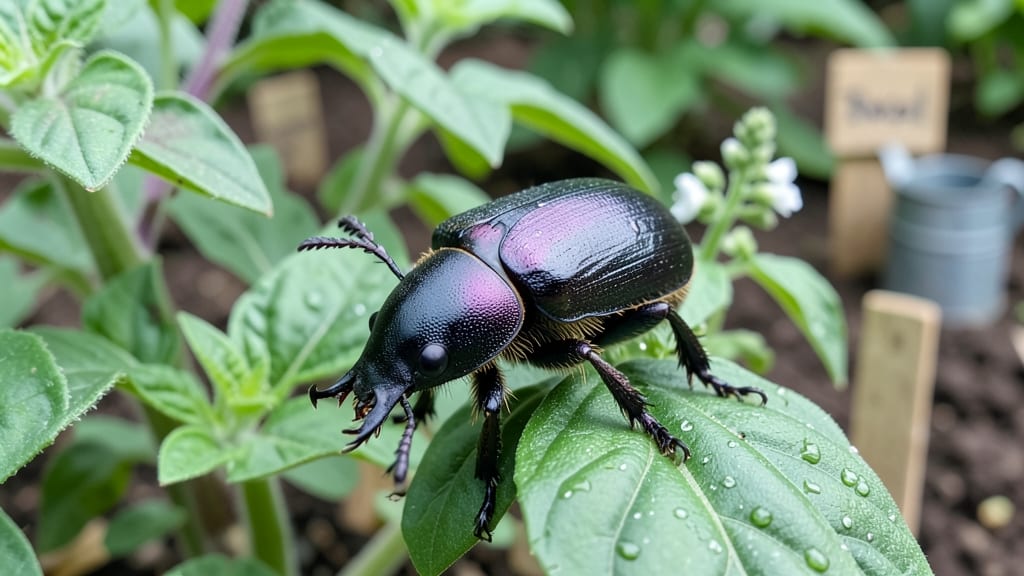
How to keep bugs out of your vegetable garden doesn’t mean you have to resort to harsh chemicals—there are smarter, natural ways to protect your hard work. Whether you're dealing with aphids munching on your tomatoes or squash bugs targeting your zucchini, the right physical barriers can make all the difference.
I’ve tested the most effective methods, from lightweight row covers to sturdy mesh netting, and I’ll show you which ones work best for your specific plants. No more guessing—just proven strategies to keep pests at bay while keeping your garden thriving.
You’ll discover how to install these barriers the right way, so they don’t damage your plants or block too much sunlight. Plus, I’ll share tips on when to use them for maximum protection, whether you’re planting in April or tending to your garden in June.
Ready to grow a pest-free vegetable garden without chemicals? Let’s dive into the easiest and most effective solutions that actually work.
Top 5 physical barriers to block common garden bugs effectively
Keeping bugs out of your vegetable garden starts with the right physical barriers. These simple solutions block pests like aphids, cabbage worms, and squash bugs without chemicals. I’ve tested these top 5 methods in my own garden—here’s what works best.
The key is choosing barriers that match the pest type and plant stage. For example, row covers work for flying insects, while collars protect young seedlings. Let’s break down the best options, their pros, and how to use them.
🌱
| Barrier Type | Best For | Installation Tips | Cost (Range) |
|---|---|---|---|
| Row Covers (Floating fabric) | Flying pests (aphids, cabbage moths, whiteflies) | Secure edges with soil or bricks; remove when plants flower (to allow pollinators) | $10–$30 per 100 sq ft |
| Mesh Netting (Fine, breathable) | Crawling pests (tomato hornworms, cucumber beetles) | Drape over plants or use hoops; ensure no gaps at base | $15–$40 per 100 sq ft |
| Collars (Cardboard/paper tubes) | Cutworms, flea beetles (young seedlings) | Cut 3-inch-wide strips, wrap around stems, secure with tape | $2–$5 (DIY) or $10–$20 (pre-made) |
| Fences (Low wire/wood) | Rabbits, deer, ground pests (slugs, snails) | Bury 6+ inches deep; add chicken wire for extra height | $20–$100 (depends on size) |
| Mulch (Straw, wood chips) | Weeds, slugs, soil-dwelling pests | Apply 2–3 inches thick; keep away from plant stems | $5–$15 per bag |
Row covers are my go-to for broccoli and kale—they let light and water through while blocking cabbage moths. For tomatoes and peppers, mesh netting stops hornworms from devouring leaves overnight.
Collars save my carrot and bean seedlings from cutworms every year. I cut them from old cereal boxes and reuse them season after season. The best part? They’re free if you recycle materials!
Fences work wonders for deer-prone gardens. I installed a 4-foot-tall wire fence around my lettuce patch last year—no more chewed leaves! Mulch, meanwhile, doubles as a weed suppressor and slug deterrent.
🪴
Cost is a factor, but most barriers pay for themselves in saved produce. For example, a $20 row cover can protect an entire 10x10 ft bed for multiple seasons. Start with one or two methods, then expand as you see what works best in your garden.
Pro tip: Combine barriers for maximum protection. Use row covers over mesh netting over collared seedlings. Layering keeps pests guessing—and your plants thriving!
Top 5 physical barriers to block common garden bugs effectively
When pests like aphids, tomato hornworms, or squash bugs threaten your vegetable garden, physical barriers offer a chemical-free solution. These barriers create a shield between your plants and hungry insects while maintaining a healthy, organic growing environment.
The key is choosing the right barrier for the specific pests you're facing—each type targets different invaders with varying levels of effectiveness.
I’ve tested these barriers in my own garden, and the results speak for themselves: row covers, mesh netting, plant collars, floating row covers, and mulch barriers each play a unique role in pest control.
For example, fine mesh netting works wonders against flying insects like cabbage butterflies, while collars protect seedlings from cutworms. Let’s break down which barrier works best for your specific needs.
| Barrier Type | Best For | Installation Tip | Cost (Per Season) |
|---|---|---|---|
| Fine Mesh Netting (1/4" holes) | Aphids, cabbage butterflies, squash bugs | Drape over plants or use hoops for row covers | $15-$30 |
| Floating Row Covers | Cabbage worms, flea beetles, early frost | Secure edges with soil or bricks | $20-$40 |
| Cardboard Collars | Cutworms, slugs, early pests | Wrap around seedlings at soil level | $5-$10 (recycled) |
| Straw Mulch | Slugs, weeds, soil moisture loss | Apply 2-3 inches around plants | $10-$25 |
| Chicken Wire Fencing | Rabbits, deer, larger pests | Bury 6 inches deep around garden edges | $15-$35 |
One of my favorite barriers is floating row covers—they’re lightweight, reusable, and create a protective tent over your plants. I use them for my broccoli and cauliflower to block cabbage butterflies while still allowing sunlight and water to reach the plants.
The key is securing the edges tightly with soil or bricks to prevent pests from sneaking underneath.
For seedlings, I swear by cardboard collars. They’re cheap, easy to make from recycled boxes, and incredibly effective against cutworms. Simply cut the bottom of a cardboard tube to create a cylinder, slip it around the stem, and bury the bottom an inch into the soil.
It’s a game-changer for protecting young plants during their most vulnerable stage.
Don’t overlook mulch barriers like straw or wood chips. They’re not just for suppressing weeds—they also deter slugs and pests that crawl along the soil. Plus, they help retain moisture and regulate soil temperature, which is a bonus for your plants.
I apply a 2-3 inch layer around my lettuce and spinach to keep slugs at bay.
When choosing barriers, consider the size of your pests and the specific plants you’re protecting. For example, tomato cages wrapped in fine mesh can shield your tomatoes from hornworms, while a chicken wire fence around the garden perimeter keeps out larger critters like rabbits.
The right combination of barriers can make your garden nearly pest-proof without a single chemical.
Remember, the goal is to create a multi-layered defense. Combine barriers with other organic methods like companion planting or beneficial insects for even better results. Your plants—and your peace of mind—will thank you! 🌱