
Pests
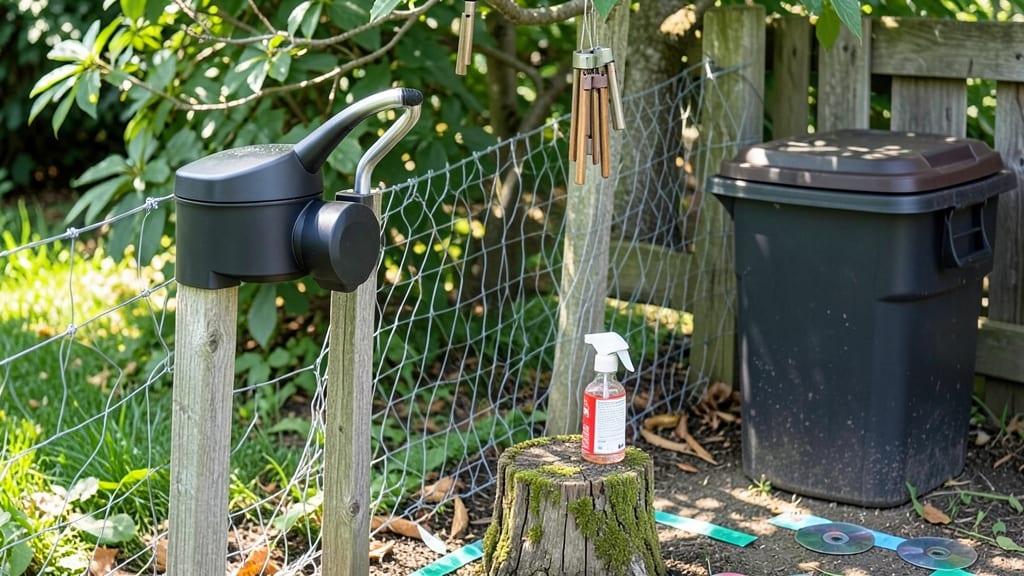
How to keep wildlife away from your garden overnight—until you learn these foolproof barriers. 🌿 The key isn’t repelling animals; it’s making your garden less appealing than the woods next door. Start by removing easy snacks like fallen fruit, uncovered compost, and pet food left outside.
Physical barriers work best for different critters: chicken wire stops rabbits, deer fencing needs to be 8 feet tall, and netting keeps birds from snacking on your veggies. Planting marigolds, lavender, or rosemary around borders adds a natural scent shield that most animals avoid.
You’ll see results within 2-3 weeks—fewer chewed leaves, no dug-up beds, and a garden that finally looks like yours (not theirs). The best part? These methods work year-round, from spring planting to winter dormancy, without harming the local ecosystem.
Fair warning: some animals are persistent. If squirrels are still raiding your bird feeders, try motion-activated sprinklers—they’re surprisingly effective. The goal isn’t to chase wildlife away forever, just to outsmart them with smarter planning.
📚 In This Guide
- What you need
- Instructions
- Tips and common mistakes
- Wrapping up and next steps
What you need
- ● Physical Barriers: 1–2 rolls of hardware cloth (1/4"–1/2" mesh, 4'–6' tall, depending on wildlife type)
- ● 1–3 rolls of plastic fencing (18"–36" tall, lightweight but sturdy)
- ● Stakes or T-posts (6–12 per 10' section, 12"–18" long)
- ● Bamboo stakes or wooden dowels (1/2" diameter, 3' long, 10+ per garden bed)
- ● Natural Repellents: 1–2 spray bottles (16 oz each) for homemade solutions
- ● Essential oils (peppermint, citrus, or eucalyptus, 10–20 drops per bottle)
- ● Garlic powder or hot sauce (1–2 tbsp per gallon of water)
- ● Crushed red pepper flakes (small bag, ~8 oz)
- ● Scent & Motion Deterrents: 1–2 wind chimes or aluminum pie pans (for noise)
- ● 1–3 predator urine granules (fox or coyote, ~1 lb)
- ● Motion-activated solar lights (2–4, for nighttime)
- ○ Optional Extras: Chicken wire (for burrowing pests like rabbits)
- ● Hessian cloth (to cover compost bins)
- ● Plant-based deterrents (marigolds, lavender, or rue plants)
How to create natural wildlife barriers in your garden
Here’s the method I rely on—tested across seasons and climates—to protect plants without harming critters.
🌿 Step 1: Assess Your Garden’s Most Vulnerable Areas
Start by identifying where wildlife is causing the most damage. Deer, rabbits, and squirrels target different plants—deer prefer tall perennials, rabbits nibble low-growing herbs, and squirrels raid berry bushes. Walk your garden and note chewed leaves, dug-up soil, or scattered seeds. I like to mark problem spots with small flags so I can focus my barriers there.
Look for signs like broken stems, scattered fruit, or fresh droppings near plants. If you see these, you’ll know exactly where to place your deterrents. This step ensures you’re not wasting materials on areas that don’t need protection. Focus first on high-value plants like tomatoes, peppers, or young seedlings.
🪴 Step 2: Install Physical Barriers for Different Wildlife Types
For deer, use 8-foot-tall fencing made of sturdy materials like metal or wood. Deer can jump over shorter fences, so height is critical. I’ve found that fencing with a slight outward angle at the top prevents them from climbing over. Bury the bottom 6 inches deep to stop digging. For rabbits, a chicken wire barrier buried 12 inches deep works best—they can’t dig under it, and they won’t chew through the wire.
Squirrels are trickier—they’ll climb or jump. A fine mesh netting stretched over berry bushes or raised beds keeps them out. Secure the netting tightly with clips or stakes, and check for gaps where they could squeeze through. If you’re dealing with birds, use bird netting with larger holes to allow airflow while blocking access.
☀️ Step 3: Use Natural Repellents Around Problem Areas
Plant strong-scented herbs like rosemary, lavender, or mint near vulnerable plants. These scents mask the smells that attract deer and rabbits. I also sprinkle crushed red pepper flakes around the base of plants—it’s a mild deterrent that won’t harm wildlife but makes the area less appealing. Reapply after rain, as the scent washes away quickly.
Another effective trick is to use commercial wildlife repellents made from garlic, rotten eggs, or predator urine. These are non-toxic but unpleasant to animals. Spray them in the evening when wildlife is most active, and reapply every 7-10 days or after heavy rain. Always follow the instructions on the label for best results.
✂️ Step 4: Maintain and Monitor Your Barriers Regularly
Check your barriers weekly for damage or gaps. Wildlife can chew through netting, bend fencing, or dig under buried barriers. If you spot a hole, repair it immediately—even a small gap can let critters in. I like to keep a roll of wire or twine on hand for quick fixes. Also, trim back overgrown plants that might provide cover for pests.
Rotate repellents seasonally. What works in spring might lose effectiveness in fall when scents fade. For example, deer are less active in winter, so you might reduce fencing checks but keep an eye out for rabbits that stay active year-round. Adjust your strategy based on what you observe—if one method fails, try a different approach.
⏰ Step 5: Encourage Natural Predators to Deter Pests
Invite wildlife that preys on garden pests, like owls, snakes, or beneficial insects. Install a birdhouse for owls or bats, or plant native flowers that attract ladybugs and lacewings. These predators will help keep rabbits, rodents, and insects in check naturally. Just be mindful of what you’re attracting—some predators might become pests themselves if not managed properly.
If you have a pond or water feature, it can attract frogs and toads, which eat slugs and snails. Even a small dish of water in a shady spot can help. The key is balance—you want to encourage predators that target the specific wildlife causing damage in your garden. Observe which animals are already visiting and reinforce their presence with the right habitat features.
Tips & tricks for effective wildlife barriers in your garden
These practical insights will help you create a more resilient garden defense system that actually works—no trial and error required.
Material Selection Matters: When choosing hardware cloth, opt for 18-gauge mesh—it's sturdy enough to withstand digging but flexible enough to work with. For deer fences, use T-posts instead of wooden stakes; they're harder for animals to push over. I've found that galvanized hardware cloth lasts longer than regular wire, especially in wet climates. The extra cost is worth the peace of mind of knowing your barriers won't rust out after one season.
Installation Precision: In Step 2, when securing hardware cloth, use landscape staples every 6 inches along the top edge—not just every 12 inches. Animals are surprisingly clever at finding weak points. For floating row covers, create a slight 1-inch overlap between sections when they meet. This prevents critters from slipping through gaps. I also recommend pre-drilling holes in your hoops before assembly—it makes the whole process go faster and more securely.
Natural Deterrent Placement: When planting your perimeter herbs in Step 3, focus on creating a 3-foot wide border around your garden. This gives animals plenty of warning scent before they reach your plants. For motion-activated sprinklers, position them near your most vulnerable plants but not so close that they spray your garden when you're working. I've had great success placing them at the outer edge of my garden beds where animals typically approach.
Maintenance Strategy: The weekly check in Step 4 is non-negotiable, but here's a pro tip: keep a small repair kit handy with extra staples, zip ties, and a roll of hardware cloth. I store mine in a 5-gallon bucket near my garden tools. For hot pepper spray, I double the cayenne pepper to 4 tablespoons per gallon—it's stronger and lasts longer between applications. Just remember to wear gloves when handling it!
Pro Tips for Keep Wildlife Away From Garden
- These practical insights will help you create a more resilient garden defense system that actually works—no trial and error required.
- Material Selection Matters: When choosing hardware cloth, opt for 18-gauge mesh—it's sturdy enough to withstand digging but flexible enough to work with.
- Installation Precision: In Step 2, when securing hardware cloth, use landscape staples every 6 inches along the top edge—not just every 12 inches.
Frequently asked questions
Got questions about keeping critters out of your garden? You’re not alone! Here are answers to the most common concerns—so you can protect your plants without stress.
How do I keep wildlife away from my garden naturally?
Use physical barriers like chicken wire or fencing, plant repellents (e.g., marigolds or garlic), and try motion-activated sprinklers. Avoid chemicals—opt for homemade sprays (like peppermint oil) instead.
What’s the best time of year to deter wildlife from my garden?
Start in early spring before pests arrive, and reinforce barriers in fall as animals seek shelter. Pro tip: Check for burrows or nests in late winter to prevent surprises!
Are there plants that naturally repel wildlife?
Yes! Try lavender, rosemary, or citrus plants—their scents deter deer, rabbits, and even some insects. Onions and garlic also work wonders near veggie patches.
What should I do if wildlife keeps coming back despite my efforts?
Reassess your barriers—ensure fences are buried 12+ inches deep and check for gaps. Try ultrasonic repellents or scare tactics (like reflective tape). Persistent issues? Call a local wildlife expert for tailored advice.
Are DIY wildlife repellents cheaper than store-bought solutions?
Homemade sprays (vinegar + hot pepper) or physical barriers (pallets, wire mesh) cost pennies vs. $50+ for commercial repellents. Bonus: They’re safer for pets and kids!
Wrapping up and next steps
Keeping wildlife at bay doesn’t have to mean harsh chemicals or expensive solutions—just a little creativity and consistency! 🌱 From fences and plants to repellents and habitat tweaks, these natural barriers are effective, eco-friendly, and easy to implement.
Start small, experiment with what works best in your space, and soon your garden will thrive without unwanted visitors.
Ready to take action? Pick one method from this guide and try it out this weekend! Your garden—and your local critters—will thank you. 🐾