
Pests
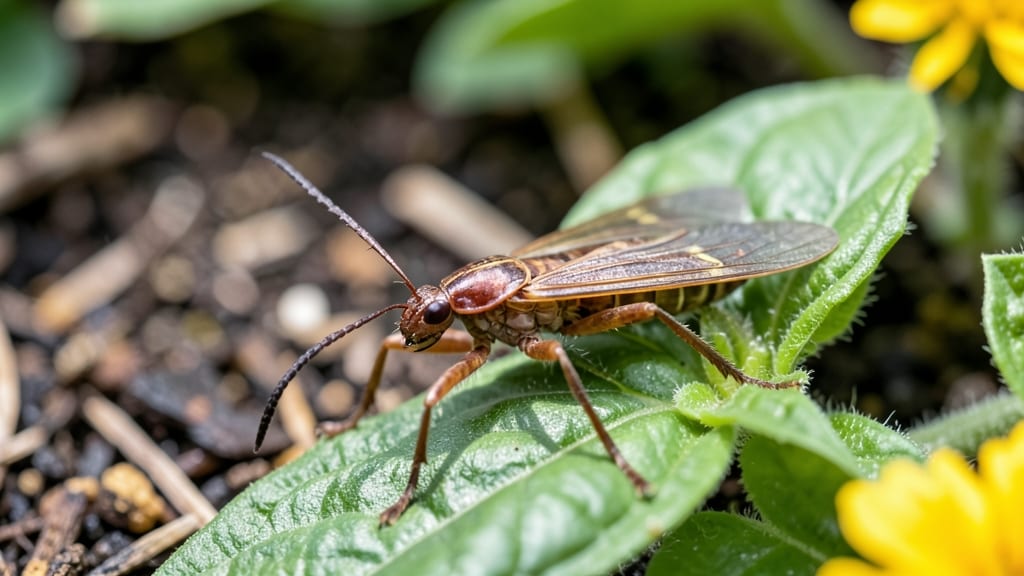
How to get rid of earwigs in your yard—turned your garden into a pincushion of damage. 🌿 I’ve battled these armored critters for years, and I’ve finally cracked the code on fast, natural removal—no harsh chemicals required. The key? Understanding their sneaky habits and hitting them where it counts. Most store-bought sprays miss the mark because earwigs hide in damp, dark spots during the day. Instead, focus on traps, barriers, and habitat changes that force them into the open. A simple DIY trap with rolled newspaper or a shallow dish of soapy water can capture dozens overnight—no fancy equipment needed. By next week, you’ll see a noticeable drop in their numbers, and your plants will thank you. The secret isn’t just killing them but making your yard less appealing to them in the first place. Think dry mulch, proper drainage, and even a few predator-friendly plants. Works in any yard, from small suburban plots to larger landscapes. Let’s get those earwigs out of your space for good—without the chemical warfare.
📚 In This Guide
- What you need
- Instructions
- Tips and common mistakes
- Wrapping up and next steps
What you need
- ● Gloves (heavy-duty, waterproof) – 1 pair (to protect your hands from pinches and dirt)
- ● Flashlight or headlamp (bright LED, 500+ lumens) – 1 (earwigs are nocturnal—you’ll need light to spot them!)
- ● Garden hose with nozzle (adjustable spray setting) – 1 (for dislodging earwigs from hiding spots)
- ● Diatomaceous earth (food-grade) – 1–2 lbs (non-toxic powder that dehydrates earwigs; apply lightly in cracks and crevices)
- ● Soap (dish soap or castile soap) – 1 bottle (mix with water for a natural spray solution)
- ● Stiff brush or broom – 1 (for scrubbing mulch, leaves, and debris where earwigs hide)
- ● Garden rake – 1 (to clear thick mulch or leaf litter from the yard)
- ● Plastic tarp or heavy-duty trash bags – 2–3 (for collecting debris or containing earwigs during removal)
- ● Bucket or large container – 1 (for mixing solutions or disposing of earwigs)
- ● Essential oil spray (neem, peppermint, or citrus oil + water) – 1 bottle (earwigs dislike these scents!)
- ● Sticky traps or yellow cards – 2–4 (to monitor earwig activity)
- ● Hose-end sprayer – 1 (for applying diatomaceous earth or soap solutions evenly)
- ● Garden fork or trowel – 1 (for turning soil and disturbing earwig habitats)
- ● Pet-safe earwig bait (e.g., rolled-up newspaper or cardboard) – as needed (earwigs love hiding in these—remove them daily!)
Step-by-Step instructions for eliminating earwigs naturally
Here’s my go-to method for clearing out earwigs fast—without chemicals or traps that leave pests wandering elsewhere.
🪴 Step 1: Identify and Target Earwig Hotspots
Earwigs thrive in damp, dark corners, so start by scouting your yard at dusk when they’re most active. Check under mulch, rocks, boards, and dense plant foliage—these are their hideouts. I like to use a flashlight to spot their shiny, elongated bodies or discarded exoskeletons, which look like tiny brown shells.
Focus on areas with high humidity (like near sprinklers or downspouts) and leaf litter piles, as these create ideal breeding grounds. If you see them clustering near your home’s foundation, they’re likely migrating indoors soon. Mark these spots with a stake or flag so you can revisit them after treatments.
✂️ Step 2: Reduce Moisture and Shelter
Earwigs need moisture to survive, so reduce watering frequency in problem areas and let the soil dry out between waterings. I switch to drip irrigation or soaker hoses instead of overhead sprinklers—they deliver water directly to roots without creating damp zones where earwigs gather.
Remove mulch from heavily infested areas and replace it with gravel or coarse sand, which drains faster and discourages earwigs. If you have dense ground covers or thick plant beds, thin them out to improve airflow. This isn’t just about earwigs—better ventilation also prevents fungal diseases in your garden.
💧 Step 3: Apply Natural Deterrents
Spread diatomaceous earth (food-grade) in a thin layer around plant bases, along walkways, and near entry points to your home. The microscopic particles dehydrate earwigs on contact, but it’s harmless to pets and plants once settled. Reapply after rain, as it loses effectiveness when wet.
For a stronger barrier, mix neem oil with water (1 tablespoon per gallon) and spray it on foliage, mulch edges, and foundation cracks. Neem disrupts their life cycle and deters them from returning. I apply this at dusk, when earwigs are most active, for best results. Avoid spraying on edible plants if harvesting soon—wait 24 hours before eating.
☀️ Step 4: Use Physical Removal for Fast Results
For immediate action, I grab a shop vacuum with a hose attachment and vacuum earwigs from mulch, under pots, and along foundation edges. Empty the vacuum into a sealed bucket of soapy water to kill them instantly. This method works best in the evening, when earwigs are out foraging.
If you’re dealing with a severe infestation, set up DIY beer traps—bury a shallow container filled with beer (or a mix of water and molasses) so the rim is flush with the soil. Earwigs are attracted to the yeast and drown. Check traps daily and refresh the liquid every 2-3 days for continuous effectiveness.
⏰ Step 5: Prevent Reinvasion Long-Term
After clearing out earwigs, seal cracks in your home’s exterior, install door sweeps, and ensure gutters direct water away from the foundation. I also add copper tape around garden beds—earwigs dislike the metal’s texture and avoid crossing it.
Encourage natural predators like ground beetles, birds, and spiders by planting dill, marigolds, or lavender near problem areas. These plants attract beneficial insects that feed on earwigs. Monitor your yard weekly, especially after rain, to catch new activity early. Consistency is key—earwigs rebound quickly if you stop treatments.
Tips & tricks for fast earwig removal
Earwigs might be sneaky, but these targeted strategies will help you outsmart them faster than you think.
Timing is Everything: Earwigs are most active during the evening hours, so that's when you should focus your efforts. I've found that starting your inspection and treatments at dusk—around 7:30-8:30 PM—maximizes your chances of catching them active. This is why Steps 1 and 4 specifically mention evening work—it's not just about timing, it's about catching them when they're most vulnerable.
Layer Your Defenses: The key to long-term success is combining multiple methods. Don't rely solely on diatomaceous earth or neem oil—use them together with physical removal and habitat modification. For example, after applying diatomaceous earth in Step 3, immediately follow up with vacuuming in Step 4. This creates a double barrier that confuses and eliminates earwigs more effectively than any single method.
Rainproof Your Strategy: Since diatomaceous earth loses effectiveness after rain, plan to reapply it within 24 hours of any significant rainfall. I keep a small container of food-grade diatomaceous earth handy and check my yard after every rainstorm. This 24-hour window is critical because wet conditions reactivate earwig activity, making them more vulnerable to your treatments.
Traps That Actually Work: For beer traps in Step 4, use shallow containers (like plastic lids) rather than deep ones. Earwigs are poor climbers, so they'll drown quickly in shallow beer. I've found that placing these traps near foundation cracks—where earwigs often migrate—catches them before they can enter your home. Remember to refresh the beer every 2-3 days to maintain its effectiveness.
Pro Tips for Get Rid Of Earwigs In Yard
- Earwigs might be sneaky, but these targeted strategies will help you outsmart them faster than you think.
- Timing is Everything: Earwigs are most active during the evening hours, so that's when you should focus your efforts.
- Layer Your Defenses: The key to long-term success is combining multiple methods.
Frequently asked questions
Got more questions about earwigs? Here are some of the most common concerns—and their answers—to help you tackle this pest problem with confidence!
Are earwigs harmful to my plants or garden?
Earwigs are mostly harmless to healthy plants, but they can nibble on young seedlings, flowers, and fruits like strawberries or tomatoes. They thrive in moist, shaded areas, so focus on removing their hiding spots (like mulch piles or leaf litter) to minimize damage. If you notice chewed leaves, act fast with natural deterrents.
What’s the best time of year to treat earwigs?
Earwigs are most active during warm, humid nights—typically spring through fall. Early evening is ideal for inspections and treatments, as they come out to hunt. For preventive care, tackle them in late summer before they multiply. Cold winters usually kill off most populations, so you can reset your yard in early spring.
Will diatomaceous earth (DE) really kill earwigs, or is it just a myth?
No myth! Food-grade diatomaceous earth is highly effective against earwigs. It dehydrates them by damaging their exoskeletons. Just sprinkle a thin layer near entry points (like under mulch or eaves) and reapply after rain. Pro tip: Wear a mask when applying to avoid inhaling the fine powder.
Why do I keep seeing earwigs after treating my yard?
Earwigs are resilient and may return if their environment isn’t altered. Check for lingering moisture (they love dampness!), hidden entry points, or nearby shelters like woodpiles. Rotate treatments—like essential oils one week and physical barriers the next—to break their cycle. Persistence is key!
Are there any free or low-cost ways to get rid of earwigs?
Start with free methods like:
- Handpicking earwigs at night (use a flashlight and a jar of soapy water).
- Removing leaf litter, mulch, or debris where they hide.
- Using household items like crushed eggshells or coffee grounds as barriers.
Wrapping up and next steps
Earwigs may seem like a nuisance, but with the right strategies—like natural repellents, habitat disruption, and preventive maintenance—you can reclaim your yard without harsh chemicals. 🌿 Start by consistently applying diatomaceous earth or neem oil and removing hiding spots like mulch and debris.
The key is persistence: check your yard regularly and act fast at the first sign of these critters.
You’ve got this! Once you’ve tackled the earwigs, keep your yard thriving by staying proactive—think of it as a long-term investment in a pest-free paradise. 🌟 Ready to take action? Grab your supplies and get started today!