
Shrubs
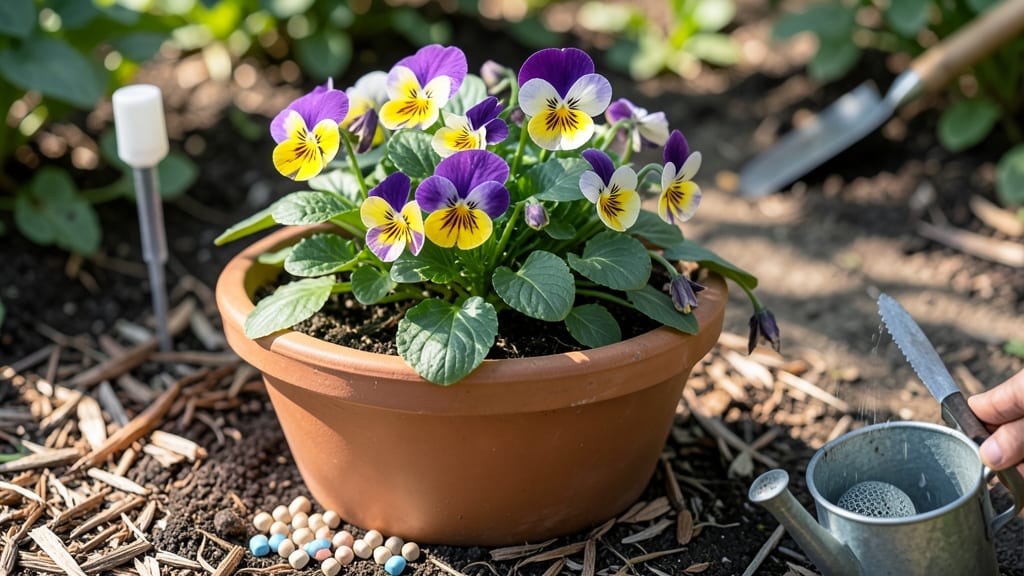
How to keep pansies flowering—your plants are practically screaming for help. That first flush of blooms can trick you into thinking they’ll keep going forever, but without daily deadheading, they’ll fade into leafy green monsters by spring. I’ve seen it happen every year: vibrant displays turning into sad, leggy plants by March.
The fix is simpler than you’d think: snip off spent blooms right at the base (not above the next bud) and feed them lightly with low-nitrogen fertilizer every 3-4 weeks. Too much nitrogen? You’ll get lush leaves and zero flowers.
And here’s the kicker—pansies actually love cooler weather, so don’t rush to cut them back in fall. They’ll reward you with a second bloom cycle if you let them.
By mid-spring, you’ll have a nonstop parade of blooms—no gaps, no sad faces. The secret’s in the timing: deadhead every morning (yes, really) and keep them in full sun to partial shade. Even my black thumb can’t mess this up once I got the routine down.
Works for container pansies too—just use a small pair of scissors and a 5-inch pot for each plant. The key is consistency. No shortcuts, no excuses. Your garden’s about to become the neighborhood’s envy.
📚 In This Guide
- What you need
- Instructions
- Tips and common mistakes
- Wrapping up and next steps
What you need
- ● Pansies: Healthy, disease-free plants (choose cool-season varieties like Viola × wittrockiana for best results). Quantity: 3–10 plants per square foot, depending on desired density.
- ● Pruning shears or clean scissors: Sharp, sterilized tools (rubbing alcohol wipe between cuts prevents disease). Specs: Bypass blades, 4–6 inches long.
- ● Well-draining potting mix or garden soil: Amend with compost (20–30% organic matter) for nutrients. pH: 6.0–7.0 (slightly acidic to neutral).
- ● Balanced fertilizer: Slow-release granules (10-10-10 or 14-14-14) or liquid feed (diluted to half-strength). Application: Every 4–6 weeks during growing season.
- ● Watering can or hose with a gentle spray nozzle: Avoid blasting flowers to prevent fungal issues.
- ○ Mulch (optional but recommended): 1–2 inches of organic mulch (straw, shredded bark) to retain moisture and suppress weeds.
- ● Epsom salt: 1 tbsp per gallon of water (monthly spray for magnesium boost).
- ● Fish emulsion or seaweed extract: Natural liquid fertilizer for extra blooms.
- ● Garden gloves: Protect your hands from thorns or soil-borne pathogens.
- ● Plant supports (for heavy blooms): Small stakes or cages if pansies flop in wet weather.
- ● Shade cloth (30–50%): For hot afternoons in zones 7–10 to prevent bolting.
Step-by-Step instructions for extending pansy bloom time
Here's the method I swear by to keep pansies flowering like clockwork through spring and fall.
🌿 Step 1: Understand the Pansy's Natural Bloom Cycle
Pansies bloom continuously when they're not stressed by seed production. Each flower contains a tiny seed pod that forms after pollination. Once that pod appears, the plant redirects energy from blooms to seed development. The key is catching those pods before they form—this is called deadheading.
Watch for spent blooms that look wilted or slightly droopy at the edges. These are ready to remove. I like to check my pansies every morning after dew dries—it's the best time to see what needs attention. Never wait until flowers are completely brown; that means the seed pod has already started forming.
✂️ Step 2: Deadhead Correctly to Encourage New Blooms
Use clean, sharp pruners or your fingers to pinch off spent blooms at the base of the flower stem. Never cut into the leafy growth below—this is where new blooms will emerge. I make a quick snip just above the first set of healthy leaves, about ¼ inch down from the flower base.
If you're working with a large patch, I find it's more efficient to deadhead in sections. Start at one end and work your way across—this prevents missing spots. The more consistently you remove spent blooms, the more energy the plant puts into producing fresh flowers. You'll notice new buds forming within 3-5 days of proper deadheading.
💧 Step 3: Maintain Proper Watering for Continuous Blooming
Pansies need consistently moist but never soggy soil to keep flowering. Water deeply twice weekly during dry spells, aiming for 1 inch of water per week. The soil should feel damp 1-2 inches down—if it's dry at that depth, it's time to water again.
I water in the early morning to allow foliage to dry quickly, which prevents fungal diseases like powdery mildew. Avoid overhead watering if possible—directing water to the soil base keeps leaves dry and healthy. Yellowing leaves often signal overwatering, while crispy edges mean the plant needs more moisture.
☀️ Step 4: Provide Optimal Light and Fertilization
Pansies thrive in full sun to partial shade, ideally receiving 4-6 hours of direct sunlight daily. Too much intense afternoon sun can cause flowers to fade quickly, while too little light results in sparse blooming. If your pansies are in a shady spot, they'll still produce flowers but may need more frequent deadheading to maintain display.
Feed your pansies with a balanced, water-soluble fertilizer every 3-4 weeks during the growing season. I use a 10-10-10 formula diluted to half-strength to avoid burning the plants. The extra nutrients encourage robust growth and more abundant blooms. Stop fertilizing in late summer to allow plants to harden off for fall.
🌱 Step 5: Prevent Common Problems That Stop Flowering
Pansies often stop flowering when they become root-bound or are planted too deeply. Check that your plants have enough space—6-8 inches apart is ideal. If they're crowded, gently separate and replant some to give roots room to spread.
Also watch for pests like aphids or spider mites, which can stress plants and reduce blooming. I spray plants with a strong stream of water to dislodge pests, or use insecticidal soap if infestations persist. Healthy foliage equals more flowers—keep an eye on both sides of leaves for early signs of trouble.
Tips & tricks for extending pansy bloom time
Keeping pansies blooming nonstop takes just a few simple habits that make all the difference. Here's what I've learned after years of growing these cheerful flowers.
Timing is Everything: The morning after dew dries is the perfect time to check for spent blooms. This is when you'll spot the subtle wilting at the edges that signals it's time to remove them. I've found that doing this consistently prevents seed pods from forming, which is when pansies start focusing energy on seeds instead of flowers. The 3-5 day window mentioned in Step 2 is actually shorter in warm weather—watch for new buds forming sooner if temperatures are above 70°F.
Deadheading Technique: The quarter-inch snip above the first set of healthy leaves is crucial because it preserves the plant's energy reserves. I've ruined several batches by cutting too far down into the stem—this creates wounds that can invite disease. For large patches, I work in sections to avoid missing blooms, and I always use clean tools to prevent spreading any potential pathogens between plants.
Watering Wisdom: The twice-weekly watering guideline works best when you check soil moisture at the 1-2 inch depth. I've learned that pansies actually prefer slightly drier conditions than many other flowers—overwatering is the number one reason I've seen pansies stop blooming. In hot weather, I increase to three times weekly but always water deeply to encourage strong root growth, which supports more blooms.
Light and Fertilizer Balance: While pansies thrive in 4-6 hours of sunlight, I've noticed they actually produce more blooms with morning sun and afternoon shade in hot climates. The 3-4 week fertilization schedule works well, but I've found that switching to a higher-phosphorus fertilizer (like 5-10-5) in early spring gives a noticeable boost to flower production. Always dilute fertilizers as directed to avoid burning the delicate foliage.
Pro Tips for Keep Pansies Flowering
- Keeping pansies blooming nonstop takes just a few simple habits that make all the difference. Here's what I've learne...
- Timing is Everything: The morning after dew dries is the perfect time to check for spent blooms. This is when you'll ...
- Deadheading Technique: The quarter-inch snip above the first set of healthy leaves is crucial because it preserves th...
Frequently asked questions
Got questions about keeping pansies blooming like a pro? Here are answers to the most common concerns—so you can enjoy that nonstop floral show all season long!
Why do my pansies stop flowering even after deadheading?
Pansies may slow down blooming due to heat stress (above 75°F), nutrient depletion, or overcrowding. Try moving them to partial shade, fertilizing with a balanced bloom booster (like 10-10-10), or thinning out plants to improve airflow. If they’re past their prime (late spring), they’ll naturally fade—replace them with cool-season varieties like violas!
How often should I deadhead pansies for continuous blooms?
Deadhead every 2–3 days during peak bloom (fall to early spring) to encourage new flowers. If you’re busy, aim for at least weekly—even a few spent blooms left can signal the plant to focus on seed production instead of flowering. Pro tip: Use sharp scissors or your thumb to snip just above the first set of leaves for cleaner cuts!
Can pansies flower in hot summer weather?
Pansies are cool-season lovers and often go dormant in summer heat. To trick them into blooming, provide afternoon shade and keep soil moist (but not soggy). Mulch with straw to retain coolness. For year-round color, plant violas (their hardy cousins) in late summer—they’ll take over where pansies fade!
What’s the best fertilizer to keep pansies flowering?
Use a low-nitrogen, high-phosphorus fertilizer (like 5-10-10 or 7-9-5) every 3–4 weeks to boost blooms. Avoid high-nitrogen feeds (e.g., 10-0-0)—they encourage leafy growth over flowers. Organic options like fish emulsion or compost tea work too! Always water fertilizer in to prevent root burn.
Pests are eating my pansies—how do I protect them without chemicals?
Common culprits include aphids, slugs, and spider mites. Try these gentle fixes:
- Handpick large pests (like slugs) at night with a flashlight.
- Spray with neem oil (1 tsp per quart of water) for aphids/mites.
- Set up beer traps (bury a cup filled with beer) for slugs.
- Encourage ladybugs by planting nearby herbs like dill or fennel.
Wrapping up and next steps
Keeping your pansies blooming beautifully is all about consistent care—deadheading spent flowers, providing the right sunlight, and ensuring proper nutrition. With these simple steps, you’ll enjoy nonstop bursts of color all season long! 🌸
Ready to put your newfound knowledge into action? Grab your pruners and start deadheading today—your pansies (and your garden!) will thank you! For extra tips, check out our gardening resources or tag us in your blooming success. Happy gardening! 🌱