
Companion Plants
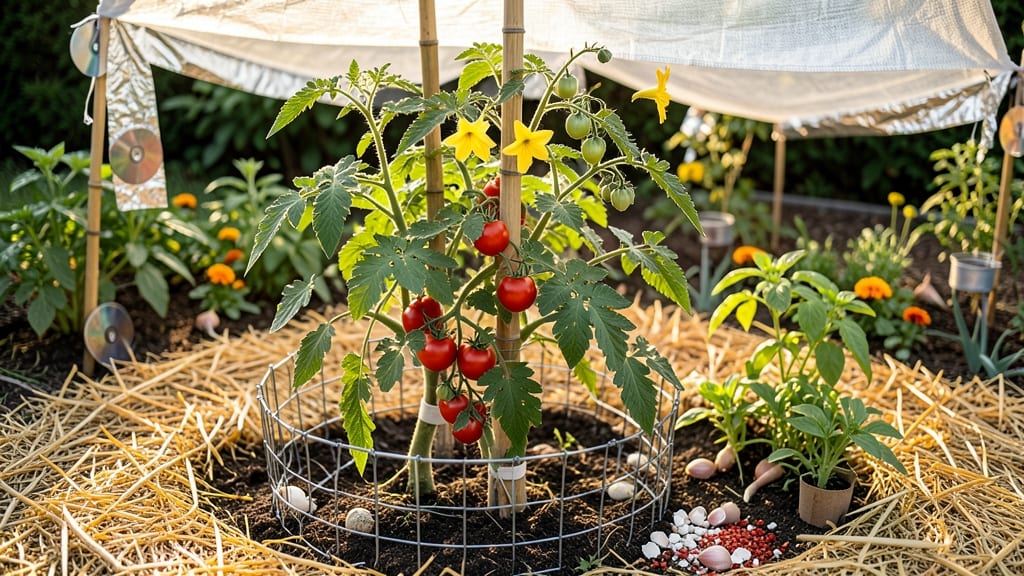
How to keep critters away from tomato plants—it’s a battle as old as the garden itself. 🌿 I've lost entire plants to rabbits, deer, and even my neighbor's overenthusiastic squirrels—until I built this cage-and-cover shield that finally gave me peace of mind.
The solution isn't complicated: a sturdy wire cage wrapped in lightweight fabric that blocks critters while letting sunlight and water through. You'll need chicken wire, landscape fabric, and some zip ties—basically supplies you can grab at any hardware store.
The key is making it snug enough that even the most determined nibbler can't squeeze through.
Once installed, you'll watch your plants grow uninterrupted while still getting the air circulation they need. No more waking up to half-eaten leaves or disappearing fruit—just healthy, thriving tomatoes that make the effort totally worth it.
Works for raised beds, in-ground gardens, or even container tomatoes. The same setup deters everything from deer to insects, and you can adapt it for other vulnerable plants too. Let's keep those critters out for good!
📚 In This Guide
- What you need
- Instructions
- Tips and common mistakes
- Wrapping up and next steps
What you need
- ● Tomato cages or wire mesh: 4–6 sturdy cages (or 1/2-inch hardware cloth cut to 3–4 ft tall, 12–18 inches wide) per plant. Pro tip: 💡 Opt for galvanized or coated wire to prevent rusting!
- ● Floating row covers: Lightweight, breathable fabric (e.g., Agribon or Reemay) to drape over cages. Size: 4–6 ft wide x 6–8 ft long (adjust for plant height).
- ● Stakes or bamboo poles: 3–4 wooden or metal stakes (2–3 ft tall) per cage to secure covers in windy areas.
- ● Brass fasteners or zip ties: 10–15 pieces to attach covers to cages/stakes without damaging plants.
- ● Garden twine or clips: For extra reinforcement (e.g., securing loose edges).
- ● Companion plants: Basil, marigolds, or nasturtiums (plant near tomatoes to repel pests naturally).
- ● Diatomaceous earth (food-grade): Light dusting around the base to deter crawling critters like slugs.
- ● Reflective tape or old CDs: Hang near plants to scare off birds and larger pests.
- ● Petroleum jelly: Apply a thin band around cage edges to block ants/small insects from climbing up.
Step-by-step instructions for building a critter-proof tomato shield
Here's how I protect my tomatoes from pests—no chemicals, just smart barriers that actually work.
🪴 Step 1: Choose Your Protection Framework
Start with sturdy wire tomato cages (5-6 feet tall) or heavy-duty chicken wire bent into cylinders. I prefer cages because they're easier to assemble, but wire works better for larger plants. Place one cage around each tomato plant at planting time—this prevents critters from nesting at the base.
For extra security, especially in deer-prone areas, I wrap the bottom 12 inches of the cage with hardware cloth (¼-inch mesh). This blocks burrowing pests like raccoons while still allowing airflow to the roots. Push the cage into the soil 6 inches deep to stabilize it.
🌿 Step 2: Install the Outer Covering
Cut frost cloth or lightweight row cover fabric to size—each piece should extend 12 inches beyond the cage top. Secure it with plastic clips or clothespins at the bottom edge, then loosely drape it over the cage. The fabric should hang freely, not touch the leaves, to prevent moisture buildup that invites disease.
For heavier pests like rabbits, I double up with heavy-duty landscaping fabric. This requires staple guns, but the extra weight deters chewing. Leave the top open during the day for pollination—just fold back the fabric when bees are active (early morning or late afternoon).
✂️ Step 3: Add Visual and Physical Deterrents
Hang reflective tape, aluminum pie pans, or old CDs. from the cage tops to create movement that confuses birds and small mammals. I also sprinkle crushed eggshells. around the base—this deters slugs and snails while adding calcium to the soil. The key is variety: no single deterrent works for all critters.
For persistent problems, I install motion-activated sprinklers. on a timer. Set them to come on for 5 seconds every hour. during peak pest activity (dawn and dusk). The sudden spray startles rabbits and deer without harming the plants. Just make sure the spray pattern covers the entire plant area.
💧 Step 4: Maintain the Shield Through the Season
Check the fabric weekly for tears or holes—critters will exploit even small openings. Patch with duct tape. on the underside if needed (it's temporary but effective). Remove and wash the fabric every 2-3 weeks. to prevent fungal growth from trapped moisture. Hang it to dry in the sun before reusing.
When tomatoes start fruiting, I add individual fruit bags. for the largest ones. Slip a breathable mesh bag. over each tomato cluster, securing it with a twist tie. This protects against birds while still allowing airflow. Remove bags when fruits are half-grown. to prevent rot from trapped humidity.
⏰ Step 5: Prepare for Winter Storage
After harvest, remove all fabric and store it in a dry place. I fold the frost cloth around a wooden dowel. to keep it compact and prevent mildew. Clean cages thoroughly with a 10% vinegar solution. to remove any pest debris. Store cages upright in a shed or garage—this prevents warping and makes them ready for next season.
For the hardware cloth and reflective deterrents, give them a good rinse and let them air dry completely. Store these separately in a plastic bin with holes. to allow airflow. Label everything with the year—you'll be glad you did when spring rolls around and you're ready to protect your tomatoes again.
Tips & tricks for critter-proof tomato protection
Took me years to perfect this system—here's how I make it foolproof every season.
Framework Stability: The secret to keeping cages from toppling is burying the bottom 6 inches deep and staking them at two points. I use T-posts with zip ties for extra stability, especially in windy areas. This prevents critters from knocking over cages to reach the tomatoes.
Fabric Fit Matters: When installing your frost cloth or row cover fabric, make sure it extends 12 inches beyond the cage top—this prevents pests from crawling underneath. I always overlap pieces by 6 inches when covering multiple cages to eliminate gaps where critters could sneak in.
Pollination Strategy: For the 5 seconds every hour sprinkler timing, I set it to activate between 8 AM and 6 PM when bees are most active. This ensures pollination while still deterring pests. If you don't have motion-activated sprinklers, simply fold back the fabric during peak bee hours and secure it again at night.
Season-Long Maintenance: The 2-3 week washing schedule is non-negotiable—fungal spores build up quickly in damp fabric. I keep a spare roll of frost cloth on hand so I can swap out wet fabric immediately. This prevents disease while keeping your tomatoes protected without interruption.
Pro Tips for Keep Critters Away From Tomato Plants
- Took me years to perfect this system—here's how I make it foolproof every season.
- Framework Stability: The secret to keeping cages from toppling is burying the bottom 6 inches deep and staking them a...
- Fabric Fit Matters: When installing your frost cloth or row cover fabric, make sure it extends 12 inches beyond the c...
Frequently asked questions
Got more questions about protecting your tomato plants? Here are some common ones—and their answers—to help you keep critters at bay without stress.
What’s the best time of day to cover tomato plants with netting or cages?
Install protective cages or netting before pests arrive! For most gardens, set them up at planting time (spring) to deter early invaders like flea beetles. If using row covers, remove them during pollination (mid-morning) to let bees do their job, then reapply in the afternoon. Pro tip: Check local pest cycles—some critters strike at dawn or dusk.
Are there chemical-free alternatives to repel critters if cages aren’t enough?
Try these non-toxic tricks:
- Spray-on deterrents: Mix 1 tsp cayenne pepper + 1 quart water in a spray bottle. Reapply after rain.
- Companion planting: Interplant tomatoes with basil, marigolds, or garlic—their scents confuse pests.
- Diatomaceous earth: Sprinkle food-grade DE around the base (reapply after watering).
Note: Avoid over-spraying flowers to protect pollinators!
How do I handle squirrels or rabbits that dig under cages?
Burrowing critters are tricky! Bury hardware cloth (1/4-inch mesh) 12 inches deep around the plant’s perimeter before installing cages. For persistent diggers, create a "critter collar" by bending the cage’s bottom outward slightly to block access. Pro tip: Add hot pepper wax (pepper flakes melted into wax) to the soil’s edge—the smell deters them!
Will cages affect tomato growth or fruit quality?
Not at all! Properly sized cages (like 5-foot-tall wire tomato towers) provide support + protection without restricting growth. Just ensure:
- Cages are sturdy (bendable wire resists wind).
- Leaves touch the cage gently—no crushing!
- Use lightweight netting (like floating row cover) for airflow.
Fruit quality stays unaffected—focus on pollination (hand-pollinate if needed) and pruning for airflow.
How long do I need to keep the protection up?
Critters don’t take vacations! Keep cages/netting in place:
- Until harvest (or frost, if earlier).
- Through the entire growing season—pests like hornworms return yearly.
- Remove row covers temporarily only during peak pollination hours (10 AM–2 PM).
Pro tip: Store cages/netting in a dry place for next year—no need to replace them!
Wrapping up and next steps
Keeping critters at bay from your tomato plants doesn’t have to be a battle—it’s all about strategy and consistency. 🌱 With the right cage-and-cover shield, companion plants, and a few proactive habits, you’ll protect your harvest while letting nature thrive.
Start small, experiment with what works best in your garden, and soon you’ll be enjoying plump, pest-free tomatoes all season long!
Ready to take action? Grab your materials, roll up your sleeves, and give your tomatoes the shield they deserve! 🛡️