
Tools
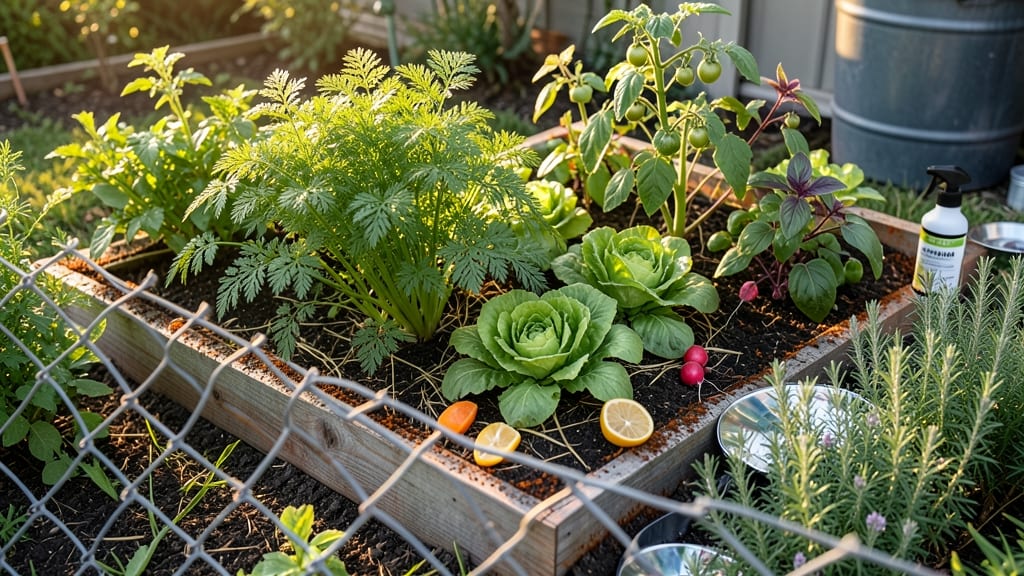
How to keep cats away from your vegetable garden—last summer, mine looked like a cat buffet. 😾 Claw marks, dug-up soil, and half-eaten peas taught me that cats aren't just pests—they're strategic little hunters. The good news? Humane spray barriers work faster than you'd think, and they don't involve cruel traps or yowling neighbors.
Start with citrus or vinegar sprays—cats hate those scents, and they're safe for plants. Mix equal parts water and citrus peels (or white vinegar) in a spray bottle, then coat the garden edges.
For instant results, add motion-activated sprinklers—the surprise spray sends them scurrying. These methods work within hours, not weeks, and won't harm wildlife.
Combine this with physical barriers like chicken wire or mulch borders—cats dislike uneven textures. Plant lavender or rosemary near the garden; their strong fragrance naturally deters cats. The payoff? A garden that stays intact while keeping your feline friends happy (and your veggies safe).
If cats still linger, try catnip diversion—plant it far from the garden to redirect their attention. Troubleshoot by checking for hidden entrances (like gaps under fences) and reinforcing weak spots. With these layers, your garden will thrive without the chaos.
📚 In This Guide
- What you need
- Instructions
- Tips and common mistakes
- Wrapping up and next steps
What you need
- ● Citrus peels (lemons, oranges, or grapefruits) – 2–3 fresh peels per application (cats hate the scent!)
- ● Vinegar (white or apple cider) – 1 cup for spray solution
- ● Water – 1 gallon (for diluting vinegar)
- ● Spray bottles (2–4) – 16 oz each (for even coverage)
- ● Pruning shears or scissors – For trimming plants or creating barriers
- ● Chicken wire or hardware cloth – 1–2 rolls (for physical barriers, 1/2" mesh)
- ● Stakes or garden pins – 10–15 (to secure wire)
- ● Mulch (straw, pine needles, or wood chips) – 2–3 bags (thick layer deters digging)
- ○ Essential oils (optional but effective): Peppermint oil – 10–15 drops (cats despise this scent!)
- ● Rosemary or eucalyptus oil – 5–10 drops (alternative options)
- ● Motion-activated sprinklers – 1–2 (scares cats with water bursts)
- ● Ultrasonic repellents – 1 (emits high-frequency sounds cats dislike)
- ● Compost or coffee grounds – Small bag (strong smell deters cats)
- ● Gloves – 1 pair (for handling vinegar or oils safely)
Tips & tricks for effective cat deterrents in your garden
These practical strategies will help you maximize the effectiveness of your humane cat deterrents while saving time and frustration.
Observation is Key: In Step 1, don't just glance at your garden—actually spend those 3-5 days watching for patterns. I've noticed cats often return to the same spots at dawn and dusk, so focus your deterrents on those high-traffic times. Marking hotspots with flags isn't just decorative; it creates a visual map of where to concentrate your efforts. This targeted approach prevents wasted time and materials on areas cats don't frequent.
Layer Your Deterrents: The most effective gardens use multiple methods together. In Step 2, combine your vinegar spray with the physical barriers from Step 3—the scent repels while the barriers physically block access. I've found that cats that ignore one deterrent often avoid the area when faced with multiple unpleasant surprises. For example, place your motion-activated sprinklers near the edges of your 2-foot perimeter barrier where cats attempt to jump over.
Test Before Full Application: When making the cayenne pepper spray in Step 2, always test it on a small, inconspicuous plant area first. Some delicate varieties like basil or lettuce may show signs of stress from the dish soap. I've ruined several basil plants this way before learning this lesson! The test area should be representative of your most vulnerable crops to ensure safety across your entire garden.
Position Sprinklers Strategically: In Step 4, place motion-activated sprinklers at least 3 feet from your garden edges. Cats are surprisingly agile—they can leap over short distances to avoid the spray. I've seen them jump 4 feet when motivated! Position them to cover paths cats use to approach your garden, not just the garden itself. The goal is to create a "no-go zone" before they even reach your plants.
Pro Tips for Keep Cats Away From Vegetable Garden
- These practical strategies will help you maximize the effectiveness of your humane cat deterrents while saving time and frustration.
- Observation is Key: In Step 1, don't just glance at your garden—actually spend those 3-5 days watching for patterns.
- Layer Your Deterrents: The most effective gardens use multiple methods together.
Frequently asked questions
Got more questions about keeping your feline friends out of the garden? Here are some answers to common concerns—so you can protect your veggies without stressing over scratches or lost produce!
Will humane sprays harm my cats or other pets?
Most pet-safe sprays (like citrus-based or vinegar blends) are non-toxic but unpleasant for cats. Always opt for humane, natural repellents labeled for pets—avoid harsh chemicals or strong scents. Test a small area first, and keep pets away until fully dry.
How long does it take for these sprays to work?
Many sprays start deterring cats within hours, but consistency is key. Reapply every few days (or after rain) for best results. Some cats may need a week or two to learn the "lesson." Combine sprays with physical barriers (like mesh or prickers) for faster protection.
What if my cat keeps coming back after spraying?
If your cat ignores the spray, try these fixes:
- Increase potency: Mix stronger ingredients (e.g., add cayenne pepper to vinegar spray).
- Use multiple methods: Combine sprays with motion-activated sprinklers or ultrasonic devices.
- Remove the temptation: Harvest veggies before they ripen or cover beds with lightweight fabric.
Are there non-spray alternatives for large gardens?
For bigger spaces, consider:
- Physical barriers: Chicken wire (buried slightly) or tall stakes with prickly strips.
- Plant deterrents: Cats dislike lavender, rosemary, or rue—plant these near your veggies.
- DIY motion alerts: Wind chimes, old CDs hung from strings, or solar-powered lights can startle them.
When’s the best time of day to apply sprays?
Apply sprays early morning or late evening when cats are most active. This gives the scent time to linger before they investigate. Avoid midday heat, which can cause sprays to evaporate faster. Pro tip: Reapply after rain—cats have a keen sense of smell and may return if the scent fades!
Wrapping up and next steps
Keeping cats out of your vegetable garden doesn’t have to be a battle—with the right humane deterrents, you can protect your plants while keeping your feline friends safe and happy. 🐱🌱 From natural sprays like citrus or vinegar to physical barriers like motion-activated sprinklers, there’s a solution that fits your garden’s needs.
Start small, test what works best, and soon you’ll have a thriving garden and a cat-free zone!
Ready to take action? Pick one method today—whether it’s setting up a spray barrier or reinforcing fences—and watch your garden flourish without the unwanted visitors!