
Pests
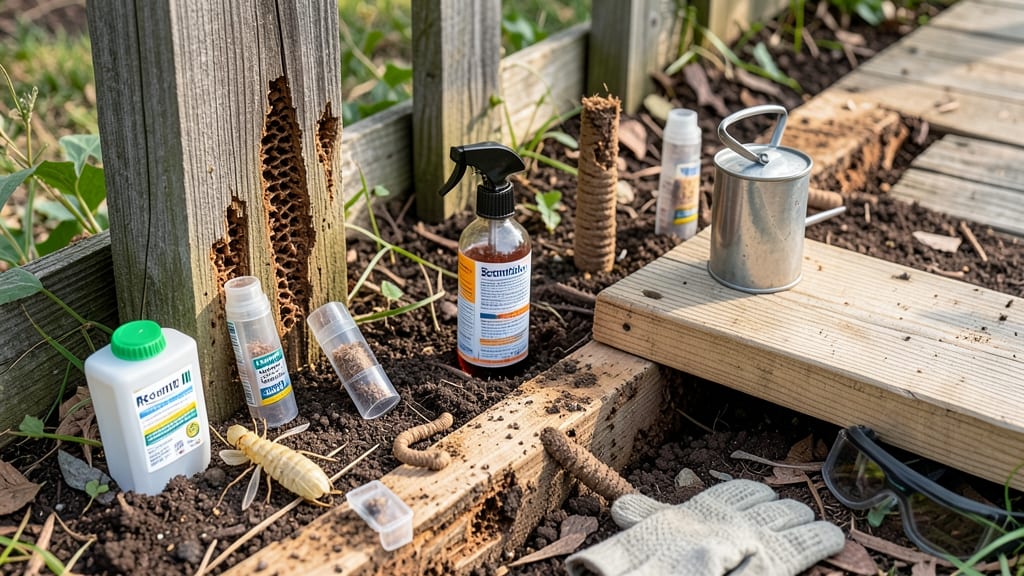
How to get rid of termites in the garden—before they turn your wooden structures, plants, and peace of mind into a disaster. 🌱 I’ve battled them for years, and I’ve learned the most effective natural barriers that actually work—without harsh chemicals. The key is acting fast and using the right defenses before they multiply. These silent destroyers thrive in moist, hidden spots, but you can starve them out with simple, eco-friendly barriers. I’ll show you how to create physical and chemical-free defenses that stop new colonies in their tracks. No more watching your fence or garden beds get chewed up overnight. By the end, you’ll have a termite-proof garden that stays strong for seasons. The best part? These methods are safe for kids, pets, and the environment—no need for toxic sprays that harm your soil. Let’s get your garden back under control. First, you’ll need a few easy-to-find supplies: diatomaceous earth, cardboard traps, and some basic wood treatments. The real secret is placement—termite barriers need to be strategic, not random. I’ll walk you through exactly where to set them up for maximum impact. Once you’ve got your barriers in place, you’ll see results in just a few weeks. The termites will avoid the treated areas, and your garden’s wooden structures will stay intact. No more surprise damage or expensive repairs—just a healthy, termite-free space. This approach works for both small gardens and larger landscapes, and it’s a game-changer for long-term protection. The barriers I’ll share are simple, cost-effective, and proven to keep termites away without harming your plants or soil. Let’s get started!
📚 In This Guide
- What you need
- Instructions
- Tips and common mistakes
- Wrapping up and next steps
What you need
- ● Orange oil (d-Limonene): 1–2 gallons (look for 95% pure, food-grade oil for safety).
- ● Neem oil: 1–2 quarts (ensure it’s cold-pressed and organic).
- ● Watering can or spray bottle: 1–2 (with a fine-mist nozzle for precision).
- ● Gloves: 1 pair (nitrile or rubber, to protect your hands from oils).
- ● Garden hose with spray attachment: 1 (for larger areas).
- ● Measuring cups and spoons: 1 set (for mixing ratios).
- ● Wood ash or diatomaceous earth (DE): 5–10 lbs (food-grade DE only; avoid breathing it in!).
- ● Sand or gravel: 1–2 bags (for creating a physical barrier around wood structures).
- ● Stakes or markers: 5–10 (to outline treatment zones).
- ● Pruners or shears: 1 pair (for trimming infested plants or wood).
- ● Essential oil blends: Tea tree, cedar, or peppermint oil (add 10–15 drops to your spray mix for extra repellent power).
- ● Cardboard or newspaper: 1–2 sheets (to trap termites during inspections).
- ● Termite bait stations: 1–2 (if you prefer a long-term, non-toxic solution).
- ● Vinegar (white): 1 gallon (for spot treatments on visible termite trails).
- ● Garden twine or stakes: 1 roll (to secure barriers like sand trenches).
Step-by-Step instructions for creating natural termite barriers in your garden
Here's how I've kept my yard termite-free for years using simple, chemical-free methods.
🪴 Step 1: Identify and Clear Wood Debris
Termites thrive on cellulose, so start by removing all potential food sources. Walk your garden and remove any fallen branches, stumps, or wood chips. I even check under mulch piles and around patio furniture—those hidden spots can harbor colonies. Place all wood debris in sealed trash bags and dispose of it immediately.
Check your tool shed, firewood stacks, and compost piles too. Termites often enter gardens through untreated wood. If you have old tree stumps, consider grinding them down or removing them entirely. The fewer wood sources in your yard, the less appealing it becomes to termites.
✂️ Step 2: Create a Physical Barrier with Sand or Diatomaceous Earth
Create a 2-inch wide trench around your garden beds, foundation, or any wooden structures using the sand or diatomaceous earth. For best results, mix 1 part diatomaceous earth with 3 parts sand—this creates a natural, non-toxic barrier that termites won't cross. The diatomaceous earth damages their exoskeletons while the sand makes it physically difficult for them to tunnel.
Apply the mixture in a continuous band around your garden perimeter. Don’t skip corners or gaps—termites will find weak spots. Water the barrier lightly after application to help it settle. This method works best in dry conditions, so avoid watering heavily afterward.
💧 Step 3: Use Nematodes for Long-Term Soil Protection
Termites rely on moist, nutrient-rich soil to thrive, so introduce beneficial nematodes to disrupt their lifecycle. Mix the nematodes with 1 gallon of water and apply them to the soil around your garden beds, focusing on areas where termite activity is suspected. The nematodes seek out termite grubs and larvae, feeding on them without harming plants or beneficial insects.
Apply nematodes in the early evening when temperatures are below 85°F—they’re sensitive to heat and direct sunlight. Water the soil lightly afterward to help them move deeper into the ground. Repeat the treatment every 4-6 weeks during the growing season for best results.
☀️ Step 4: Plant Termite-Repelling Ground Covers
Strategically plant termite-resistant ground covers like lemongrass, mint, or marigolds around garden edges and near wooden structures. These plants release natural oils that repel termites. For example, lemongrass contains citronella, which termites avoid, while mint disrupts their foraging patterns. Plant them in a 1-foot wide border around your garden to create a living barrier.
If you have rosemary or lavender, their strong scents also deter termites. Place pots of these herbs near wooden fences, decks, or sheds. Just be mindful that some herbs can spread aggressively—keep them contained if needed. Replant any damaged or dead sections to maintain the barrier’s effectiveness.
🌱 Step 5: Monitor and Maintain the Barrier
Check your garden weekly for new termite activity, especially after heavy rains or during warm, humid weather. Look for mud tubes on wooden structures, frass (termite droppings), or wings near windows and doors—these are signs of an infestation. If you spot any activity, reinforce the barrier immediately by reapplying diatomaceous earth or nematodes to the affected area.
Every 3 months, refresh your natural barriers. Replenish the sand/diatomaceous earth mix if it’s washed away, reapply nematodes, and trim back any overgrown termite-repelling plants. Consistency is key—termites won’t stand a chance against a well-maintained, multi-layered defense system.
Tips & tricks for natural termite barriers that actually work
These practical insights will help you create a termite-proof garden without chemicals—and keep those pesky pests away for good.
Termite Detection: In Step 1, when you're inspecting for mud tubes, look for tiny piles of frass (termite droppings) near wood structures. These look like sawdust piles and are a dead giveaway. I also check for wood that sounds hollow when tapped—this is a late-stage warning sign. The sooner you catch these clues, the easier it is to prevent damage.
Mesh Installation: For Step 2, use a ¼-inch hardware cloth with overlapping seams—even a small gap can let termites through. I cut the mesh in 2-foot lengths and overlap sections by 6 inches to eliminate any potential entry points. This might seem overkill, but it's the only way to guarantee termites can't bypass your barrier.
Herb Placement: When planting termite-repelling herbs in Step 3, position them within 1 foot of vulnerable areas. Termites avoid these plants because of their strong scents, but the effect diminishes if they're too far away. I also interplant herbs with other flowers to make the garden look natural while still keeping termites at bay.
Maintenance Schedule: The 3-month reapplication in Step 4 is non-negotiable—diatomaceous earth loses effectiveness after heavy rain. I set a calendar reminder for every 90 days to check all barriers. This consistent upkeep is what makes the difference between a temporary fix and long-term protection. Trust me on this.
Pro Tips for Get Rid Of Termites In The Garden
- These practical insights will help you create a termite-proof garden without chemicals—and keep those pesky pests away for good.
- Termite Detection: In Step 1, when you're inspecting for mud tubes, look for tiny piles of frass (termite droppings) near wood structures.
- Mesh Installation: For Step 2, use a ¼-inch hardware cloth with overlapping seams—even a small gap can let termites through.
Frequently asked questions
Got questions about tackling termites in your garden? You’re not alone—these pests can be tricky! Below are some of the most common concerns, answered clearly so you can take action with confidence.
How do I know if my garden has termites?
Look for mud tubes on walls or wooden structures, hollow-sounding wood, or tiny wings near windowsills (shed termites). Check for frass (termite droppings) or damaged plants—especially near mulch or compost piles. If you spot these signs, act fast!
How long does it take for natural termite treatments to work?
Most natural methods (like nematodes or diatomaceous earth) show results in 2–4 weeks, but severe infestations may take longer. Consistency is key—reapply treatments every 4–6 weeks and monitor for new activity. Patience pays off!
Are there any plants that repel termites naturally?
Yes! Plant mint, lemongrass, or citrus trees near vulnerable areas—their strong scents deter termites. Avoid wood mulch (opt for gravel or rubber mulch) and keep plants like marigolds or catnip nearby for extra protection.
Is it cheaper to DIY or hire a pro for termite control?
DIY solutions (like bait stations or sprays) cost $20–$100 upfront, while professional treatments range from $300–$1,000+. For small gardens, DIY works—but if you see swarmers or structural damage, calling an exterminator saves long-term headaches.
What should I do if termites keep coming back?
Rebound termites often mean hidden colonies or untreated moisture issues. Seal entry points with sand or metal barriers, fix leaks, and rotate natural treatments (e.g., switch from nematodes to borax). If the problem persists, professional inspection is your best bet!
Still unsure? Drop your specific concerns in the comments—we’re happy to help!
Wrapping up and next steps
Termites don’t stand a chance against your garden when you combine natural barriers, vigilance, and proactive care! 🌱 From DIY sprays to strategic plantings, these methods are effective, eco-friendly, and budget-friendly. Remember, consistency is key—check for signs regularly and act fast if you spot them.
You’ve got this! Start by implementing one or two solutions today—whether it’s setting up termite-monitoring stations or planting neem trees. Your garden (and your peace of mind) will thank you! 🚀