
Propagation
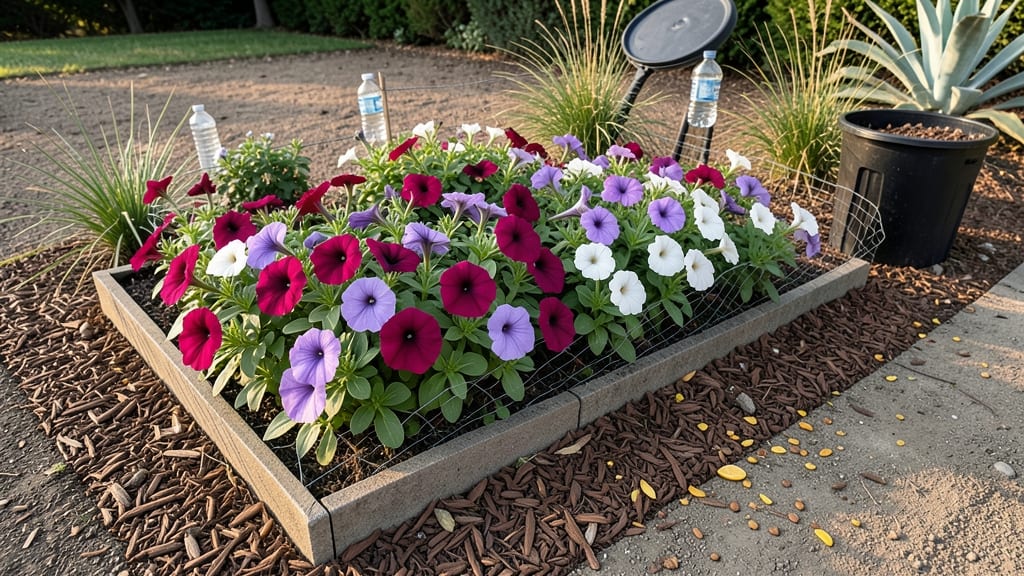
How to keep cats from flower beds—my once-trampled garden now thrives thanks to humane solutions that protect both my blooms and my feline friends. After three seasons of clawed soil and ruined petals, I finally found strategies that work without harming my cats or sacrificing beauty.
The key is layered defense: physical barriers like buried chicken wire (cats hate digging through it), scent deterrents such as citrus peels or coffee grounds (they dislike the smell), and training with positive reinforcement when they stay away. None of these require harsh chemicals or cruel traps.
By combining these methods, you'll protect roots, preserve blooms, and keep your garden looking intentional—not like a warzone. The best part? Your cats stay happy too, exploring other approved areas instead of turning your flower beds into their personal playground.
Works for any garden size, from small window boxes to sprawling perennial borders. Let's get your beds back to looking their best without the furry invaders.
📚 In This Guide
- What you need
- Instructions
- Tips and common mistakes
- Wrapping up and next steps
What you need
- ● Chicken wire or hardware cloth (1/2-inch mesh, 4' x 8' sheets) – Enough to cover the perimeter of your flower beds.
- ● Stakes or garden pins (1-inch diameter, 12-inch long) – At least 4 per linear foot of bed edge.
- ● Pruners or scissors – For trimming plants without disturbing roots.
- ● Mulch (gravel, pine cones, or cypress mulch) – 2-3 inches deep, covering the entire bed.
- ● Citrus peels or coffee grounds – Fresh or dried, enough to sprinkle lightly.
- ○ Motion-activated sprinkler (optional but effective) – Battery-operated, with a 10-15 foot range.
- ● Compost or aged manure – To boost soil fertility after deterrents are in place.
- ● Essential oil diffuser (pet-safe, like lavender or lemongrass) – Place near beds (out of cat’s reach!).
- ● Decorative rocks or spikes – Non-toxic, for visual deterrence (use sparingly!).
- ● Catnip-free cat toys – To redirect their attention indoors.
Step-by-Step instructions for humane cat deterrents in flower beds
Here’s how I protect my flower beds without harming curious cats—or your plants’ roots.
Assess the Problem Areas
First, identify where cats are digging or using your flower beds as litter boxes. Look for fresh claw marks, disturbed soil, or small piles of dirt. I’ve found that cats target areas with soft, loose soil or where they can easily scratch into the earth. Mark these spots with small flags or chalk so you can focus your deterrents there.
Observe when the activity happens most. Cats are often most active at dawn and dusk, so placing deterrents in these high-traffic zones will be most effective. If you notice scratching during the day, consider adjusting your deterrent placement or timing.
Install Physical Barriers
Use chicken wire or hardware cloth (with holes smaller than ¼ inch) to create a barrier around the flower bed. Bury the edges at least 4 inches deep to prevent cats from digging underneath. I’ve had the best luck with 12-inch tall barriers—tall enough to discourage jumping but not so tall they block sunlight to the plants.
Secure the barrier with stakes or landscape pins, but avoid sharp edges that could harm the cats. If your flower bed is near a fence, attach the wire directly to it for extra stability. This method works well for raised beds or areas where cats frequently dig in straight lines.
Apply Natural Repellents
Cats dislike certain scents, so sprinkle citrus peels, coffee grounds, or vinegar-soaked cotton balls around the edges of the flower bed. Refresh these every 3-4 days, as the smells fade quickly. I’ve also had success with commercial cat repellents containing essential oils like citrus or eucalyptus—just follow the instructions for safe application.
Avoid strong chemical sprays, as they can harm plants or attract cats back with their scent. Instead, opt for organic, biodegradable options that won’t leave residue on your flowers. Reapply after rain, as water can wash away the deterrents.
Create Distractions
Provide cats with alternative scratching surfaces, like a catnip-filled scratching post or a sand box placed a few feet away from the flower bed. Cats are less likely to dig in your garden if they have a designated spot to satisfy their instincts. Place these distractions near windows or high-traffic areas where cats already spend time.
You can also plant cat-safe herbs like catnip or cat grass in a separate container. This gives cats a legal place to dig and scratch while keeping your flower beds intact. Just be sure these herbs don’t spread into your main garden, as they can become invasive.
Use Motion-Activated Deterrents
Set up motion-activated sprinklers or ultrasonic devices near the flower bed to startle cats without harming them. These devices trigger when they detect movement, giving cats a mild but effective scare. I’ve used battery-operated sprinklers that spray a quick burst of water—just enough to make cats think twice before approaching.
Place these deterrents 6-12 inches away from the flower bed edges so they don’t disturb the plants directly. Test them first to ensure they’re strong enough to deter cats but gentle enough not to damage nearby foliage. Adjust the sensitivity as needed based on your cats’ reactions.
Tips & tricks for humane cat deterrents in flower beds
Took me a while to figure these out, so here goes—simple tricks that'll save your garden without scaring away your feline friends.
Location Intelligence: In Step 1, focus on the most obvious damage spots first. I've seen cats create patterns in their digging—look for straight lines or clusters of disturbed soil. These are their "favorite" spots, and placing deterrents here gives you the fastest results. The key is persistence: if you see fresh claw marks in the morning, that's your cue to reinforce that area immediately.
Barrier Stability: When installing physical barriers in Step 2, don't just rely on stakes—bury the edges at least 4 inches deep and use landscape pins every 12 inches along the top. I learned this the hard way when a curious cat figured out how to lift the wire by digging underneath. For extra security, especially in windy areas, attach the wire to a nearby fence or post using zip ties or heavy-duty clips.
Repellent Rotation: For Step 3, rotate your natural repellents every 3-4 days to keep cats guessing. I've found that cats eventually get used to one scent, so mixing citrus peels with coffee grounds one week and vinegar-soaked cotton balls the next keeps them on their toes. Also, place repellents just outside the barrier—cats are more likely to avoid areas where they can't easily escape if they feel trapped by the scent.
Distraction Placement: In Step 4, position your scratching alternatives within 3-5 feet of the flower bed. Cats have strong territorial instincts, so if they see their approved scratching spot is too far away, they'll keep coming back to your garden. I've had the most success with catnip-filled posts placed near windows where cats already spend time—they're more likely to discover and use them if they're in familiar territory.
Pro Tips for Keep Cats From Flower Beds
- Took me a while to figure these out, so here goes—simple tricks that'll save your garden without scaring away your feline friends.
- Location Intelligence: In Step 1, focus on the most obvious damage spots first.
- Barrier Stability: When installing physical barriers in Step 2, don't just rely on stakes—bury the edges at least 4 inches deep and use landscape pins every 12 inches along the top.
Frequently asked questions
Got questions about keeping your feline friends out of your flower beds? Here are some common ones—and their solutions!
What’s the fastest way to stop cats from digging in my flower beds?
For immediate results, try physical barriers like chicken wire or motion-activated sprinklers. Spraying citrus or vinegar (cats dislike the smell!) can also deter them quickly. Consistency is key—cats learn boundaries faster with repeated reinforcement.
Are there humane sprays or repellents that actually work?
Yes! Commercial cat repellents (like Nature’s Miracle) or DIY mixes (water + citrus peels) are safe and effective. Avoid harsh chemicals—opt for pet-safe options. Reapply after rain or every few days for best results.
How long does it take for cats to stop bothering my flower beds?
Most cats adjust within 1-2 weeks if deterrents are consistent. Start with multiple methods (e.g., barriers + repellents) and reward your cat for staying away. Patience pays off—some stubborn kitties may need 3-4 weeks of training.
Can I still plant cat-friendly flowers near my garden?
Cats love catnip, cat grass, or valerian—plant these in a separate pot or area to distract them. Just keep them away from your prized blooms. Bonus: It gives your cat a designated "dig zone"!
What if my cat already dug up my plants? Can I save them?
Check the roots first! If they’re intact, replant and water deeply to help recovery. For damaged plants, trim dead foliage and protect them with a lightweight mesh cover until they rebound. Prevention is easier than repairs!
Wrapping up and next steps
Keeping your cats out of flower beds doesn’t have to mean sacrificing their happiness—or your blooms! 🌸 With the right mix of humane deterrents, like physical barriers, natural repellents, and environmental tweaks, you can protect your garden while still giving your feline friends plenty of love and space.
The key is patience and consistency; soon, your cats will find new, approved spots to explore, and your flower beds will thrive.
Ready to give it a try? Start with one or two methods today, observe what works best for your kitties, and gradually expand your approach. Your garden—and your cats—will thank you!