
Pests
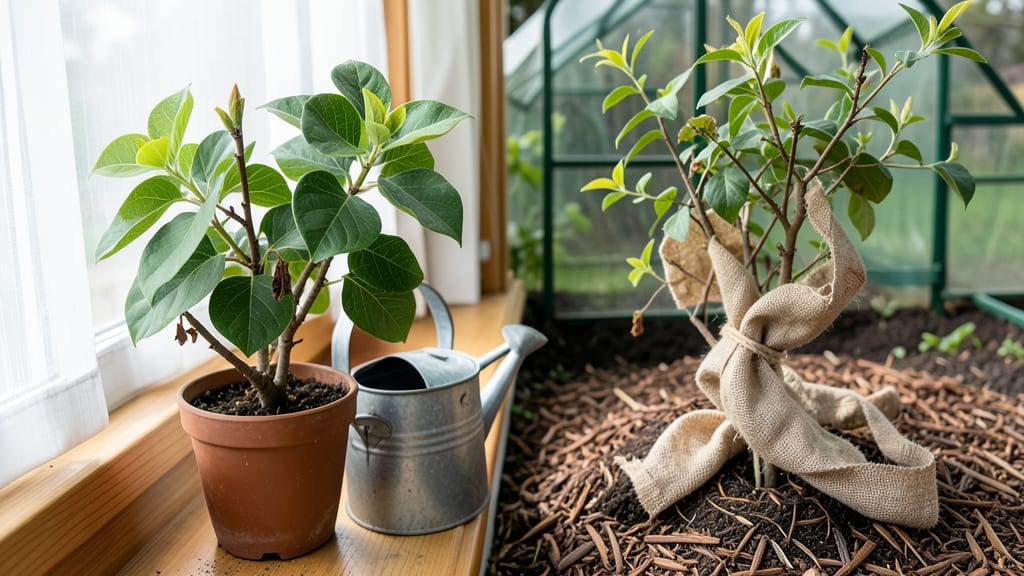
How to keep your bougainvillea alive in winter—those vibrant blooms can survive the cold with the right care. 🌿 I’ve nursed these tropical beauties through three brutal winters in Zone 7, and the secret isn’t freezing them—it’s tricking them into dormancy. The right pruning, mulching, and protection can keep your plant alive until spring, ready to burst back with color.
Most people make two critical mistakes: pruning too late or wrapping them like burritos without airflow. Instead, we’ll cut back 1/3 of the stems in early fall, mound mulch around the base, and use burlap wraps—not plastic—to shield from frost.
These steps prevent the dreaded blackened stems that signal death, while still letting roots breathe.
By spring, you’ll see new shoots emerging within weeks, with blooms returning 4-6 weeks after last frost. The key is gradual reacclimation: move protected plants back outside slowly over 10 days, shielding them from sudden sun. Even in colder zones, this method works—just adjust timing and insulation.
Troubleshooting is simple: if stems turn brown, it’s likely too cold—add more mulch or move pots indoors. Yellow leaves? Probably overwatering—bougainvilleas hate soggy roots in winter. With these adjustments, your plant won’t just survive—it’ll thrive next season, just like mine do now.
Root Causes of Winter Struggles
Bougainvillea’s battle against winter isn’t just about chilly temperatures—it’s a mix of biological quirks, environmental stress, and human missteps. Understanding these root causes is the first step to giving your plant the winter care it truly needs. Let’s break down why bougainvillea throws in the towel when the mercury drops.
Bougainvillea is a tropical beauty, and its native habitat in South America thrives in warm climates (USDA Zones 9-11). When temperatures dip below 40°F (4°C), several physiological processes go haywire:
- Cell Membrane Damage: Cold causes water inside plant cells to crystallize, rupturing delicate cell walls. This disrupts nutrient transport, leading to wilting, browning, or death of leaves and stems.
Think of it like a frozen water pipe bursting—but in your plant’s veins. - Photosynthesis Shutdown: Chill temperatures slow down (or halt) the enzyme RuBisCO, which is critical for converting sunlight into energy.
Without energy, bougainvillea can’t sustain itself, even if it’s still green. - Root Freeze: The real killer? Roots freeze at just 32°F (0°C). Since roots absorb water and nutrients, frozen roots = a starving plant. Even if the top looks fine, underground chaos is brewing.
💡 Pro Tip: Bougainvillea’s thick, papery bark might seem tough, but it’s no match for prolonged cold. If your plant is in Zone 8 or colder, winter prep isn’t optional—it’s survival mode.
Bougainvillea is a sun-worshipper, and winter’s shorter days + cloud cover = a photosynthetic famine. Here’s why this backfires:
- Reduced Chlorophyll Production: Less sunlight means fewer chlorophyll molecules, which are the plant’s solar panels. Without them, bougainvillea can’t fix carbon dioxide into glucose—its food source. - Weakened Immunity: Sunlight triggers the production of phytoalexins, natural compounds that fight off fungi and bacteria.
In low light, these defenses drop, making bougainvillea vulnerable to rot and disease. - Dormancy Confusion: Some gardeners assume bougainvillea “goes dormant” in winter and stop watering.
But true dormancy requires cold and dry conditions—if the plant stays hydrated but starved of light, it rots from the inside out.
🌡️ Key Stat: Bougainvillea needs at least 6 hours of direct sun daily to survive. In winter, supplement with grow lights if natural light is scarce.
Winter slows metabolism, but many gardeners water bougainvillea as if it’s summer. This is a recipe for disaster:
| Mistake | Why It’s Deadly | Fix It By… |
|---|---|---|
| Soggy Soil | Cold soil + excess water = anaerobic conditions, where roots suffocate from lack of oxygen. | Let soil dry 50% between waterings. |
| Fungal Feasts | Moisture-loving fungi like Phytophthora thrive in damp, cool soil, rotting roots. | Use well-draining soil + mulch. |
| Transpiration Drop | Less evaporation in cold air means water lingers in leaves, leading to leaf scorch or fungal spots. | Reduce watering by 30-50% in winter. |
🔥 Warning: Bougainvillea’s roots rot in as little as 48 hours of saturation. If the soil feels damp just an inch below the surface, hold off on watering.
Winter winds are doubly dangerous for bougainvillea because: - Physical Damage: Whipping branches can tear bark, creating entry points for pests and disease. - Evaporative Stress: Wind speeds up moisture loss from leaves, even in cold air.
Since bougainvillea can’t replace lost water efficiently in winter, leaves curl, crisp, or drop. - Cold Wind Chill: A 30°F (-1°C) day with 15 mph winds can feel like 15°F (-9°C) to the plant, accelerating cold damage.
💡 Solution: Windbreaks (like burlap screens or nearby shrubs) can raise microclimate temps by 5-10°F, buying your bougainvillea precious survival time.
Stressed bougainvillea is a buffet for pests and pathogens.
Winter weakness opens the door to: - Scale Insects: These sap-suckers multiply in cold, dry conditions, weakening the plant further by draining nutrients. - Root Rot (Pythium/Fusarium): Thrives in cool, wet soil, turning roots to mush. - Powdery Mildew: A fungal infection that flourishes in damp, shady winter conditions, coating leaves in a chalky film that blocks sunlight.
🎯 Prevention: Inspect plants monthly for sticky residue (scale), white powder (mildew), or mushy stems (rot). Act fast—neem oil or horticultural oil can knock back pests before they take hold.
Even well-meaning gardeners sabotage bougainvillea with these common mistakes: - Pruning at the Wrong Time: Trimming in late fall or winter removes energy reserves the plant needs to regrow in spring. Wait until early spring (after last frost). - Fertilizer Overload: Winter feeding burns roots because bougainvillea isn’t actively growing. Stop fertilizing by October and resume in early March. - Ignoring Mulch: A 3-inch layer of mulch insulates roots, but many skip it.
Without it, soil temps fluctuate wildly, shocking the plant.
✨ Game-Changer: Move potted bougainvillea indoors (or wrap in bubble wrap) if temps drop below 35°F (2°C). A garage or sunroom with bright light can be a lifesaver.
Fixing Winter Woes for Bougainvillea
Winter can be tough on bougainvilleas, but with the right fixes, you can nurse your plant back to health and prevent future damage. Below are practical solutions tailored to common winter problems, along with prevention tips to keep your bougainvillea thriving year-round.
Cause: Cold stress, frost damage, or sudden temperature drops.
How to Fix It:
- Trim damaged foliage 🔪 – Use clean, sharp pruners to cut back brown or crispy leaves and stems. This helps the plant redirect energy to healthy growth.
- Move to a sheltered spot 🏡 – If possible, relocate potted bougainvilleas to a south-facing wall, garage, or covered patio to shield them from wind and frost.
- Apply a light mulch 🌿 – For in-ground plants, add 2-3 inches of straw or wood chips around the base to insulate roots.
Prevention Tips: ✅ Acclimate gradually – If moving indoors, do it slowly over 1-2 weeks to avoid shock. ✅ Use frost cloth 🧥 – Lightweight frost blankets can protect leaves from light frosts (below 30°F). ✅ Avoid overwatering 💧 – Wet leaves freeze faster; water only when the soil is dry.
Cause: Freezing temperatures (below 25°F) kill exposed stems and buds.
How to Fix It:
- Prune back dead stems 🌱 – Cut just above a leaf node (where new growth can sprout) to encourage regrowth in spring.
- Wrap vulnerable plants 🧶 – Use burlap or bubble wrap around stems for extra insulation.
- Check for hidden buds 🔍 – Sometimes, dormant buds survive under dead stems—trim carefully to avoid removing them.
Prevention Tips: ✅ Choose cold-hardy varieties ❄️ – Some bougainvilleas (like Bougainvillea spectabilis) tolerate brief frosts down to 20°F. ✅ Plant in microclimates 🌡️ – Near stone walls or slopes retains heat better than open ground. ✅ Use heat sources (sparingly) 🔥 – A small Christmas light string wrapped around stems can add 5-10°F of warmth in extreme cold.
Cause: Weakened plants attract scale, mealybugs, or spider mites.
How to Fix It:
- Spray with neem oil 🌿 – Mix 1 tsp neem oil + 1 tsp mild soap in 1 quart water and spray every 7-10 days until pests are gone.
- Wipe leaves with rubbing alcohol 🧴 – Dip a cloth in 70% isopropyl alcohol and gently clean infested areas.
- Introduce beneficial insects 🐞 – Ladybugs or lacewings eat pests naturally (available at garden centers).
Prevention Tips: ✅ Inspect plants weekly 👀 – Early detection = easier treatment. ✅ Avoid over-fertilizing in winter 🚫🌱 – Weak plants attract pests; hold off on fertilizer until spring. ✅ Keep the area clean 🧹 – Remove fallen leaves and debris where pests hide.
Cause: Bougainvilleas stop growing in winter—this is normal! But if they look completely lifeless, they may need help.
How to Fix It:
- Check for green stems 🌱 – Even if leaves are gone, green stems = life! Trim back dead wood but leave some green.
- Water sparingly 💧 – Once a month is enough unless soil is bone-dry.
- Wait for spring ⏳ – Most bougainvilleas rebound in warm weather—don’t force growth!
Prevention Tips: ✅ Label your plants 📝 – If you have multiple varieties, mark them to track which thrive best in your climate. ✅ Fertilize lightly in early spring 🌿 – Use a balanced 10-10-10 fertilizer when temps stay above 50°F at night. ✅ Monitor soil moisture 📊 – Overwatering in winter leads to root rot—stick your finger in the soil before watering.
If sudden frost hits (below 20°F):
- Cover the plant 🧥 – Use blankets, cardboard, or plastic sheeting (secure with rocks).
- Water the soil (not leaves) 💦 – Moist soil retains heat better than dry soil.
- Remove covers by noon ☀️ – Trapped heat can burn leaves—ventilate after the frost passes.
Final Pro Tip: 💡 Patience is key! Bougainvilleas are tough survivors—with the right care, they’ll bloom brighter than ever when spring arrives. If all else fails, propagate cuttings from healthy stems to grow new plants!
Frequently asked questions
Can bougainvillea survive winter outdoors in Zone 7?
With proper protection, yes! In Zone 7, bougainvillea can handle light frosts down to 25°F (-4°C). Use burlap wraps around stems and add 3 inches of mulch around the base. Move potted plants near a south-facing wall or under a frost cloth for extra insulation. The key is preventing root freeze—roots die at 32°F (0°C).
How do I know if my bougainvillea is dead or just dormant?
Check for green stems—even if leaves are gone, green indicates life! Trim back only the brown, crispy stems and leave the green ones. If stems are black and mushy, it’s dead. Water sparingly (once a month) and wait for spring—bougainvilleas often rebound when temps rise above 50°F (10°C).
Should I prune bougainvillea in winter or wait for spring?
Prune only dead or damaged stems in winter (after frost). Save major pruning for early spring (after last frost) to avoid removing energy reserves the plant needs to regrow. Cut back 1/3 of the stems to encourage bushier growth. Never prune in late fall—it stresses the plant before dormancy.
What’s the best way to overwinter potted bougainvillea indoors?
Move pots to a bright, cool spot (like a garage or sunroom) with at least 6 hours of sunlight daily. Reduce watering to once a month and avoid fertilizer. If natural light is low, supplement with a grow light 12 hours/day. Acclimate gradually by moving plants back outside slowly over 10 days in spring.
Why are my bougainvillea leaves turning yellow in winter?
Yellow leaves usually mean overwatering or nutrient deficiency. Bougainvilleas need 30-50% less water in winter—let soil dry 50% between waterings. Also, stop fertilizing by October and resume in early March. If yellowing persists, check for root rot (mushy stems) and repot in fresh, well-draining soil.